Women make up around half of the global population, yet healthcare systems have historically struggled to fully address their needs. From delayed diagnoses and fragmented care pathways to underrepresentation in research and clinical trials, the gaps in women’s healthcare remain significant.
Despite these challenges, the atmosphere at FemHealth Integrates 2026 suggested that real momentum is building for change. Bringing together entrepreneurs, clinicians, investors and researchers at Bruntwood SciTech’s Citylabs in Manchester, the event showcased a sector energised by both opportunity and determination.
Across discussions on funding, technology, clinical research and patient experiences, speakers repeatedly emphasised that the long-standing inequalities in women’s health are no longer acceptable, and that meaningful solutions are within reach.
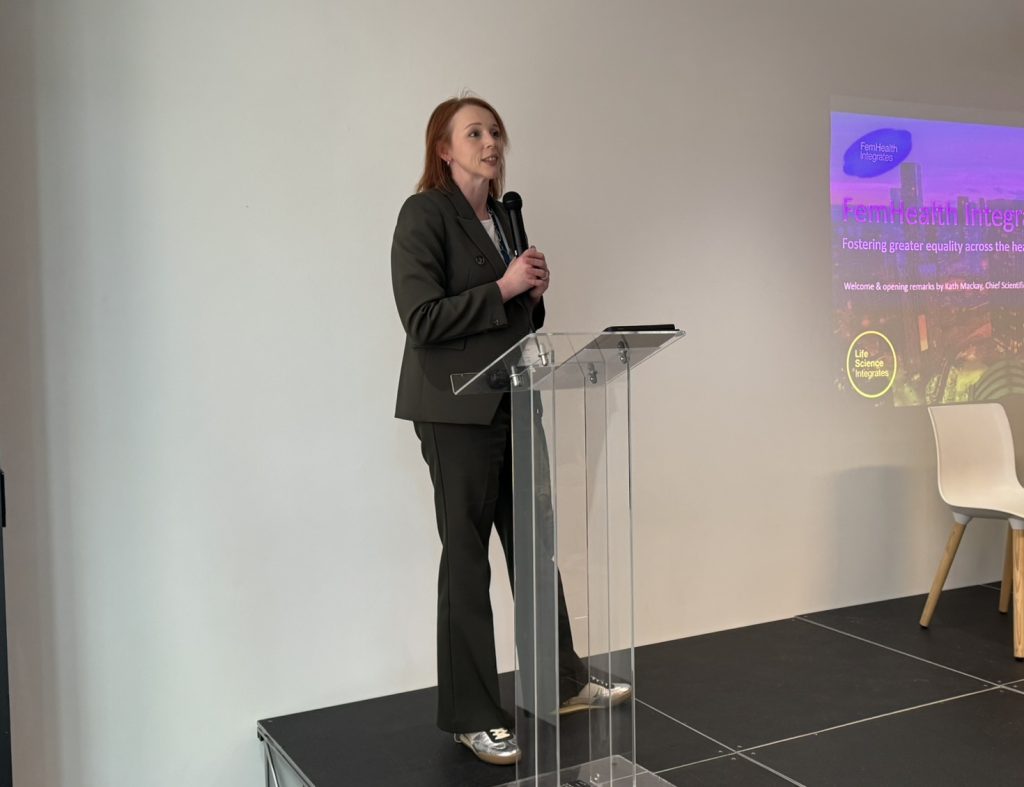
“Women make up approximately 51% of the population, yet much of our health system hasn’t caught up. The women’s health industry is now looking to close that gap.”
The conversations throughout the day reflected a heartening shift in mindset across the industry. Rather than focusing solely on the challenges, participants highlighted the rapid growth of women’s health innovation; from emerging FemTech startups and digital health platforms to new investment models and policy momentum supporting the sector.
At the same time, the discussions made clear that progress will require coordinated action across the entire ecosystem: healthcare systems, investors, researchers, entrepreneurs and patients themselves.
This intelligence report explores the key themes that emerged from FemHealth Integrates 2026. Read on as we share insights into how women’s health innovation is evolving, and how the sector is working together to close one of healthcare’s most persistent unmet needs.
For decades, women’s health has been shaped by systemic gaps in research, diagnosis and care pathways. Speakers emphasised that these disparities are deeply embedded across the healthcare ecosystem, from the dismissal of symptoms and delayed diagnoses to fragmented service pathways that make it harder for women to access appropriate care.
“Many of the gaps we see in women’s health aren’t because people don’t care – they exist because the systems, funding structures and research priorities were never designed with women in mind.”
This imbalance is not only a challenge for patients, but also reflects decades of underinvestment in women’s health research and the historic absence of female-specific clinical data. These gaps affect not only women’s health conditions such as cervical cancer, but also wider areas of medicine including cardiovascular disease, dementia and treatment safety
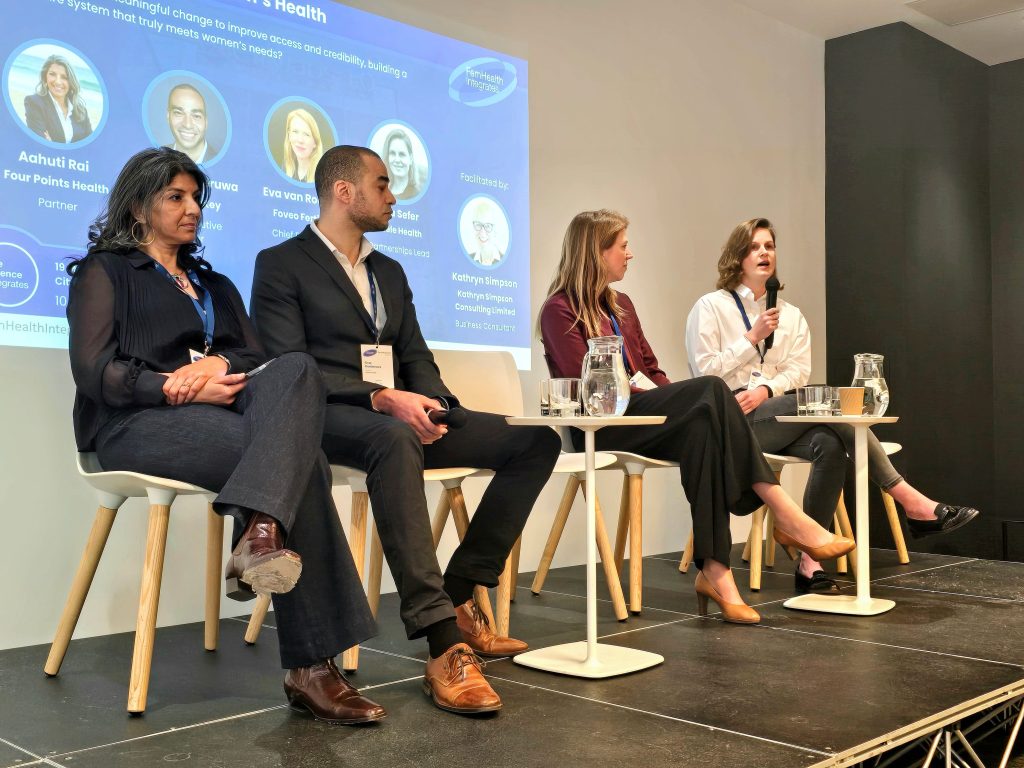
“The majority of women’s health conditions have been underfunded and understudied. Fundamentally we still don’t understand many of these diseases well enough to diagnose, stratify and treat patients effectively.”
In 2026, this longstanding neglect manifests in serious health outcomes for women globally, from conditions such as endometriosis and fibroids taking around 7-10 years to diagnose, to widespread gaps in understanding hormonal health, menopause and chronic pelvic pain. In many cases, symptoms are still dismissed or misinterpreted, leaving women to suffer in silence as they navigate complex healthcare pathways.
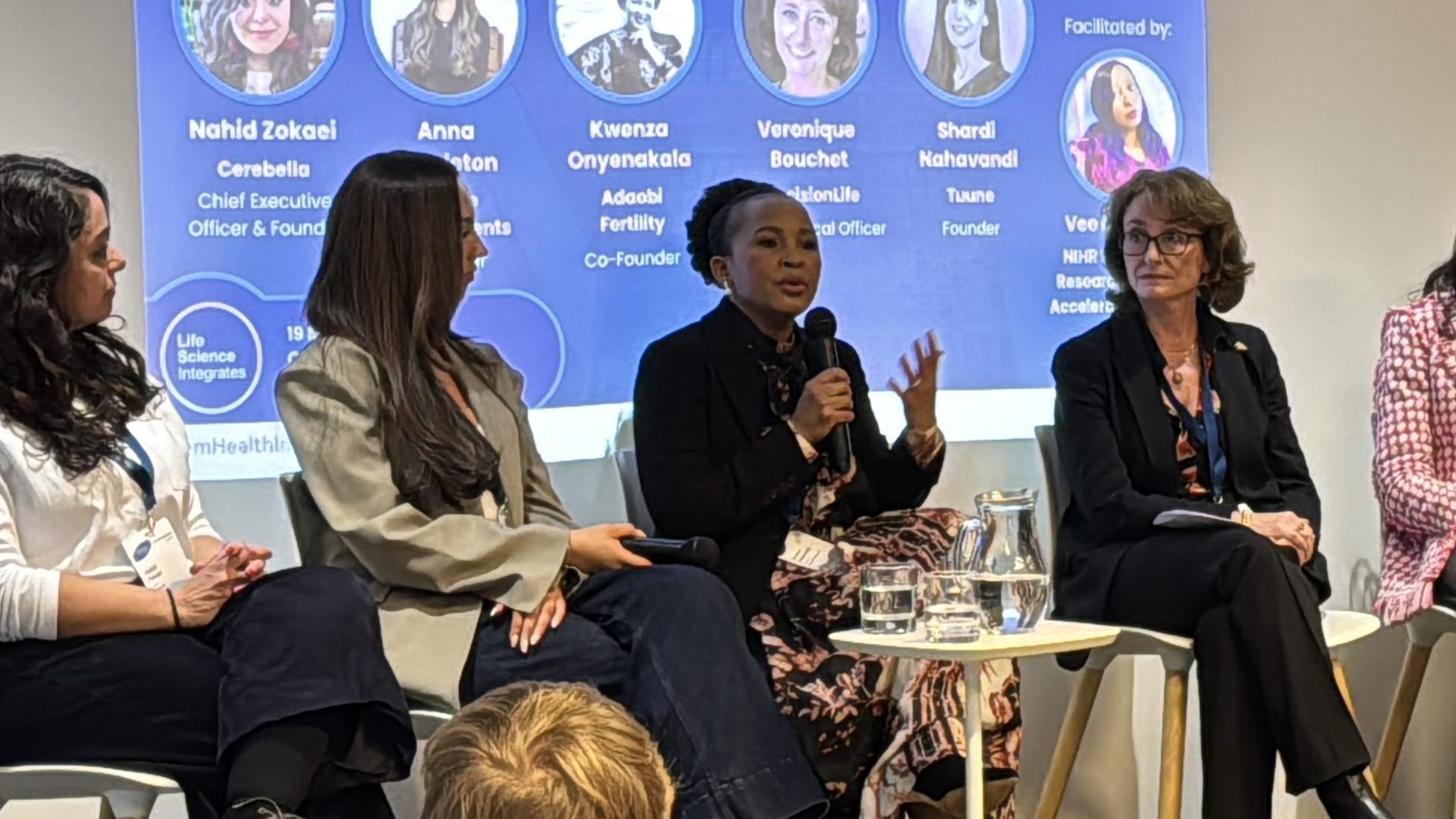
“For conditions like endometriosis or fibroids, women often live with symptoms for years before they are diagnosed. Part of the problem is that the tools to diagnose these conditions early simply don’t exist in many primary care settings.”
Alongside the moral and clinical case for improving women’s healthcare, speakers also highlighted the enormous economic opportunity that exists in the sector. For decades, women’s health has been treated as a “niche” area of medicine, despite affecting half the global population. As awareness grows and investment begins to increase, many see women’s health innovation as one of the most significant untapped opportunities in healthcare today – both in terms of improving patient outcomes and unlocking new markets for medical technologies, diagnostics and digital health solutions.
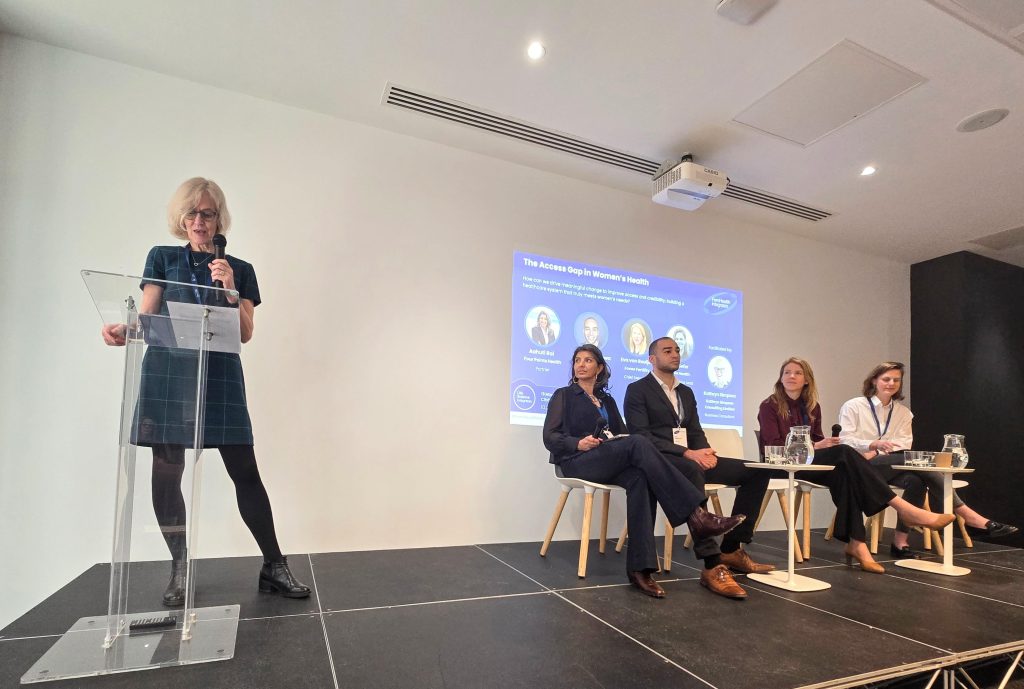
“There’s been lots of data now that supports the business case. McKinsey estimates there’s a $1.7 trillion opportunity if we close the gap in women’s health globally.”
However, realising that opportunity will require addressing long-standing scientific blind spots that continue to limit progress across the field. As innovators across the FemTech ecosystem work to generate new insights through digital platforms, diagnostics and patient-generated data, there is growing optimism that these longstanding gaps can finally begin to close.
Encouragingly, many of the conversations throughout the day suggested that this shift is already underway, with growing investor interest, a new generation of purpose-driven startups and a stronger recognition that improving women’s health represents one of the most significant opportunities in healthcare innovation today.
If the first wave of progress in women’s health has been driven by greater awareness, the next phase will depend heavily on investment. Speakers throughout the day highlighted that while interest in women’s health innovation is rising, the sector still receives only a small fraction of overall funding. Across life sciences research, startup investment and venture capital, funding for women’s health typically accounts for just 2–6% of total investment, underscoring the scale of the gap that still exists.
For many founders, the funding gap translates into an additional hurdle: educating investors before pitching the product. While FemTech startups are often founded by women with firsthand understanding of these challenges, the investment landscape remains dominated by male decision-makers who may have little exposure to or understanding of the issues being addressed.
“At the early stage, especially in women’s health, you spend a lot of time explaining the problem to investors before you can even talk about the business model.”
This dynamic can make early-stage fundraising particularly difficult, as founders must build both market awareness and commercial momentum simultaneously. Many of the entrepreneurs speaking at FemHealth Integrates shared experiences of navigating this landscape, often relying on persistence, strong networks and early proof-of-concept data to build investor confidence.
Yet despite these challenges, there was strong agreement that the funding landscape is beginning to shift. Over the past few years, a growing number of angel investors, venture funds and sector-specific accelerators have begun to recognise the scale of opportunity in women’s health innovation.
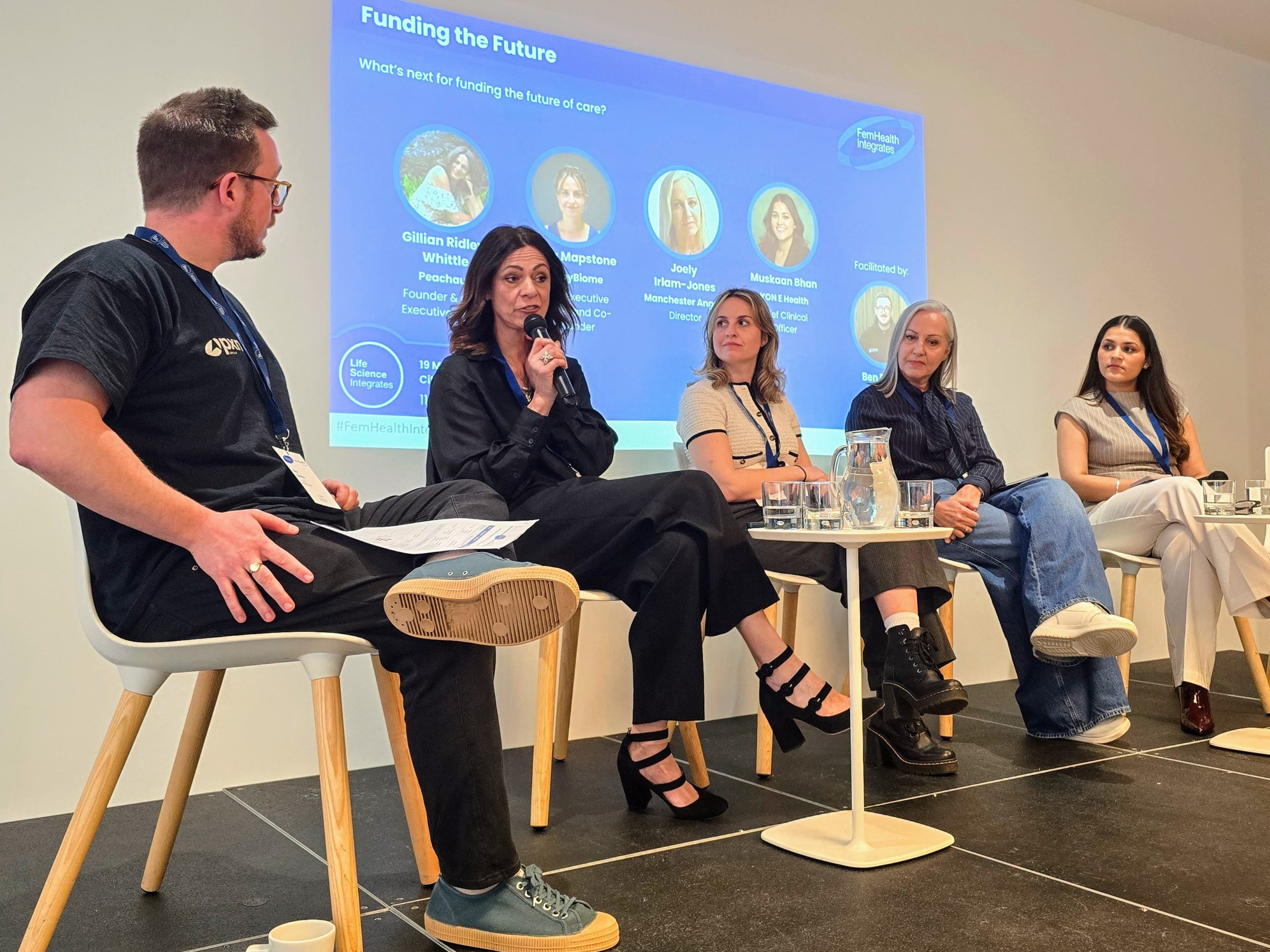
“Once you start getting traction and showing real proof points, investors begin to realise that this isn’t just a niche—it’s a real market with real demand. The challenge is often getting them to see that potential in the first place.”
For many speakers, the growing visibility of successful FemTech companies is helping to reshape investor perceptions of the sector: from a perceived “niche” to a rapidly expanding area of healthcare innovation with significant market potential.
At the same time, panellists stressed that continued progress will also depend on greater diversity within the investment ecosystem itself. The rise of female angel investors, founder networks and mission-driven investment groups is already playing an important role in supporting companies that might otherwise struggle to access capital. Several speakers highlighted the distinct value that female investors can bring to early-stage companies.
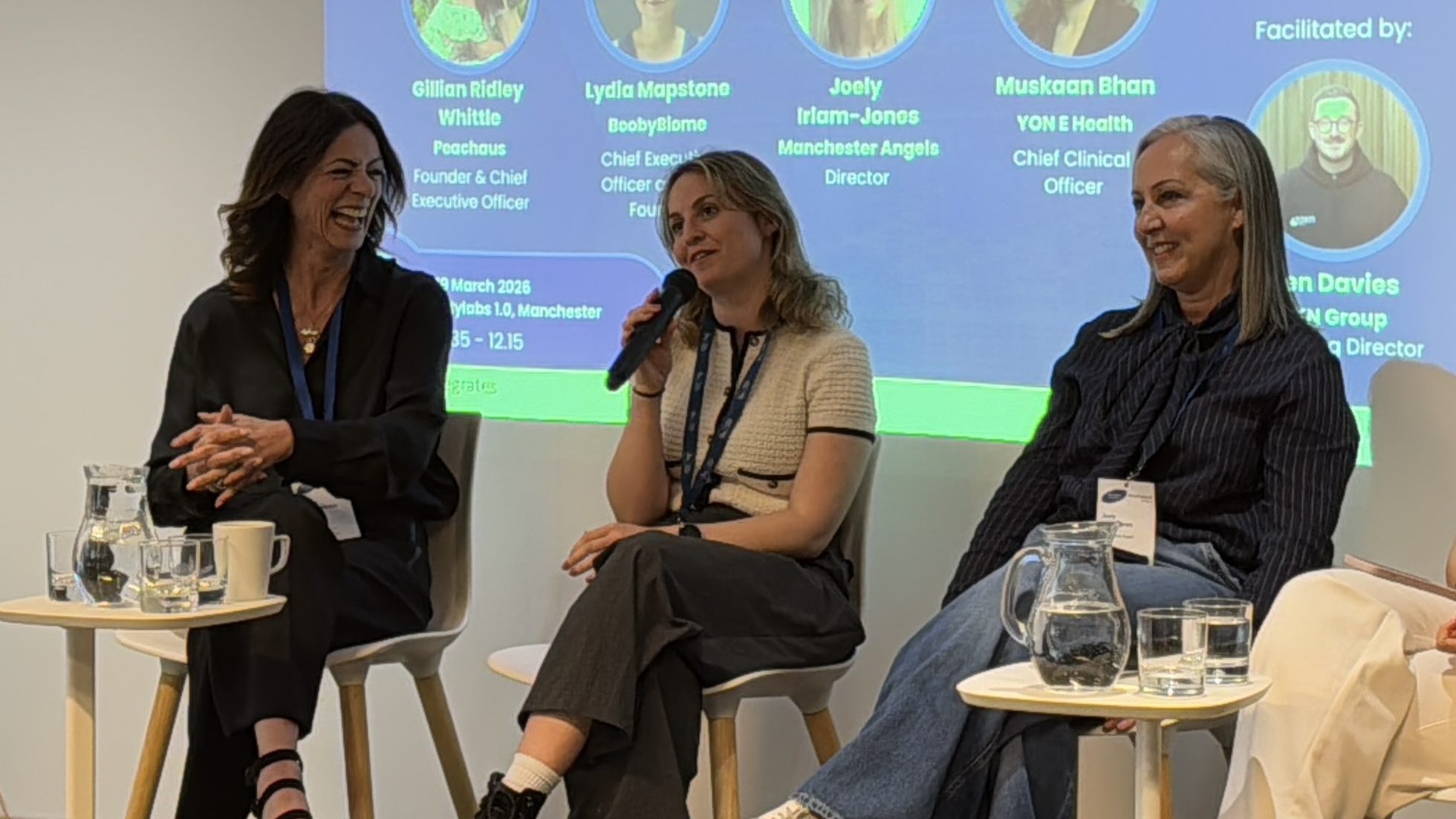
“What I’ve noticed with women investors is that they ask a lot more questions. It means you have to do extra due diligence, but once they invest it really pays off because they understand your company inside out and they advocate for you accurately.”
Encouragingly, as awareness grows and successful companies begin to emerge, many believe the sector is approaching a tipping point where investment in women’s health will no longer be seen as a specialist category, but as a core pillar of healthcare innovation.
Alongside investment, technology is playing an increasingly important role in accelerating progress across women’s health. From wearable tech and AI-powered diagnostics to digital health platforms and data-driven fertility tools, innovation is opening new possibilities for understanding and managing conditions that have historically been overlooked.
Speakers throughout the day highlighted how many of the most exciting developments in the sector are emerging at the intersection of digital health, data science and personalised medicine. Digital platforms are increasingly integrating fragmented datasets across fertility, hormonal health and reproductive care, enabling researchers and clinicians to build a more comprehensive picture of women’s health across different life stages.
One of the most significant shifts discussed during the event was the growing role of data in addressing the longstanding evidence gap in women’s health research. Historically, many medical studies and clinical trials have relied heavily on male participants, leaving major gaps in understanding how diseases affect women across different life stages.
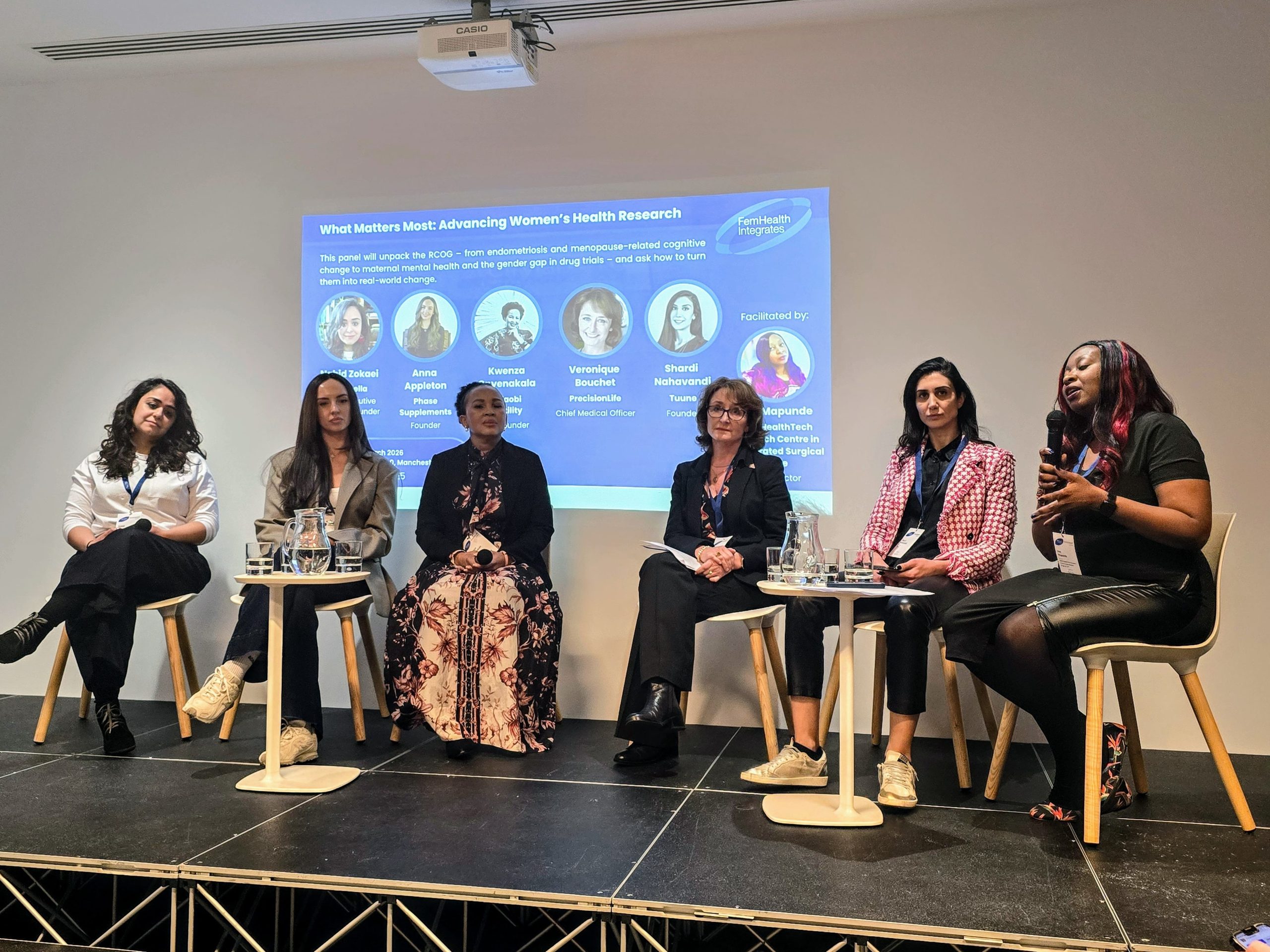
“For a lot of women’s health conditions, the clinical evidence just isn’t there. That’s why so many of the innovations we’re seeing now are focused on generating better data and understanding women’s health properly.”
Today, advances in digital health technologies are helping to close this gap. Wearables, mobile health platforms and connected diagnostic tools are enabling researchers to collect richer, real-world datasets on hormonal cycles, fertility, menopause and other aspects of women’s health that were previously difficult to track at scale.
These innovations are also helping shift women’s healthcare away from episodic treatment models toward more continuous monitoring and preventative care. Patient-generated health data, captured through digital platforms and wearable devices, is providing clinicians with new insights into how conditions evolve over time, enabling earlier interventions and more personalised treatment strategies.
In particular, fertility is one of the areas where digital innovation is having a positive impact, with founders developing solutions shaped not only by new data and diagnostics, but often by their own lived experiences.
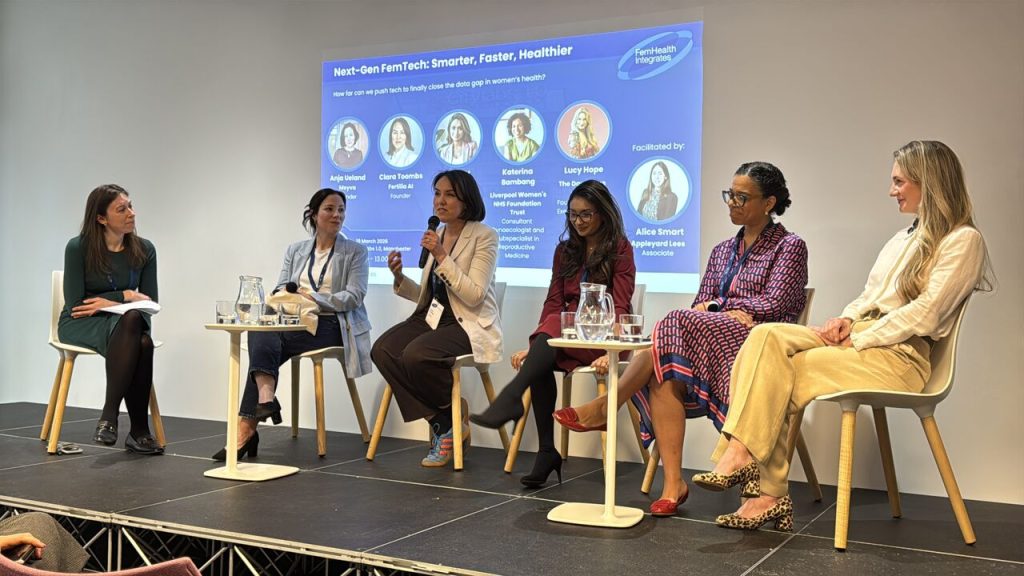
“The people on our waitlist talk about how critical this issue is for them. Fertility challenges can affect relationships, mental health and finances, so the technology we’re developing is addressing something deeply important in people’s lives.”
As these technologies mature, collaboration between clinicians, technologists and patients is becoming increasingly important. By combining clinical expertise with real-world health data and patient insight, the FemTech ecosystem is beginning to develop more integrated solutions that reflect the complexity of women’s health.
While challenges remain, particularly around clinical validation and healthcare system integration, speakers were optimistic that the growing use of AI, digital analytics and patient-driven data will continue to reshape how women’s health is understood, diagnosed and managed.
While technological innovation is opening new possibilities in women’s healthcare, speakers throughout the day emphasised that progress will ultimately depend on strengthening the clinical evidence base behind these advances. Particularly when it comes to understanding how treatments affect women.
“Women are more likely to experience side effects from medications and interventions. If that’s the case, then surely we should be studying those differences properly and understanding how treatments affect women across different stages of life.”
This reality highlights a long-standing challenge across biomedical research. For decades, women have been significantly underrepresented in biomedical research and clinical trials. Many treatments and diagnostic frameworks were historically developed using datasets that did not fully reflect female biology, leaving important gaps in understanding how diseases affect women across different stages of life.
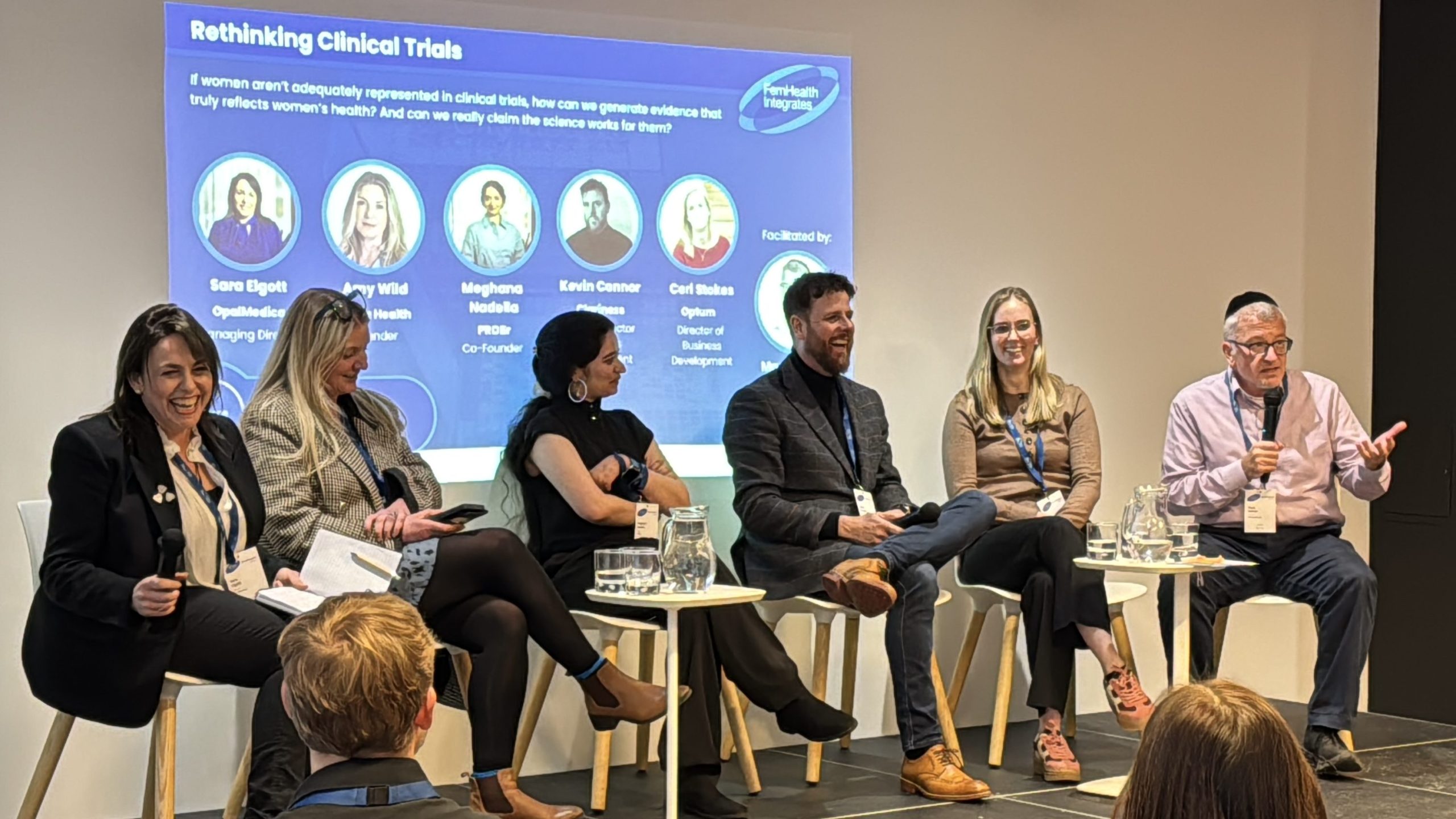
“Women weren’t even involved in clinical trials before 1993. That still shocks me. If we want treatments that people can trust, we have to test them across diverse populations, and that absolutely has to include women.”
These gaps are not only the result of historical research practices. Structural barriers across the healthcare system continue to limit women’s participation in clinical research today. In many cases, women experience longer diagnostic journeys than men, meaning they may not be identified for clinical trials at the right stage of disease progression.
“One of the main barriers to women being represented in clinical trials is that they’re often not diagnosed at the same time as men. In rare diseases, for example, women wait significantly longer for diagnosis, which means they are much less likely to be identified and recruited into trials at the right time.”
At the same time, the design of clinical trials themselves may need to evolve. Several speakers highlighted the need to rethink how research approaches women’s health conditions more broadly. Rather than studying individual symptoms or diseases in isolation, researchers are increasingly recognising the interconnected nature of hormonal, metabolic and neurological health across the lifespan.
“Everything is linked. The genetics, the hormones, the microbiome, the brain. All of these systems interact. Until we start studying them together, we’re still working in the dark.”
Encouragingly, speakers agreed that awareness of these challenges is growing across the research ecosystem. From improving patient recruitment tools to expanding diversity within trial populations, a range of new approaches are emerging to help ensure that future clinical evidence better reflects the realities of women’s health.
As these changes take shape, strengthening the evidence base for women’s health will be essential not only for advancing innovation, but also for ensuring that new diagnostics, treatments and digital health solutions deliver meaningful improvements in care.
If FemHealth Integrates 2026 demonstrated anything, it is that the momentum behind women’s health innovation is becoming impossible to ignore.
Throughout the day, speakers exposed the structural gaps that have long shaped women’s healthcare, from underfunded research and delayed diagnoses to clinical systems that still struggle to reflect female biology. Yet the discussions also made clear that the sector is entering a new phase. Across investment, technology, data and research, a growing ecosystem of innovators, clinicians and investors is beginning to challenge the status quo and build solutions that better reflect the realities of women’s health.
Encouragingly, that shift was reflected in the room itself. At this year’s event, many more men were present as contributors, investors and allies – a reminder that closing the gender health gap cannot fall to women alone. Advancing women’s health is not a “niche” concern or a specialist category of medicine; it is a societal challenge that demands collective commitment.
If the energy and drive on display at FemHealth Integrates 2026 can be sustained, the coming years could mark a real turning point for women’s health. The challenge now is to turn the ideas, partnerships and momentum generated here into lasting change, and to build a future where women’s health is no longer overlooked, but fully understood, funded and prioritised.



Interested in sponsorship at our events? Please get in touch or click below to send your enquiry over to us.

HealthTech Integrates is a one-day event convening technology, diagnostics, devices, and therapeutics organizations, along with clinicians and regulators, to provide an esteemed platform for discussing the major challenges impacting the HealthTech sector. The conference focuses on addressing the needs of the HealthTech community to overcome the obstacles necessary to transform diagnostics and devices in healthcare.

Interested in reading about current industry trends in Life Sciences? You can find out more on our Life Science Intelligence page, including previous reports, news and articles.
For further updates, stay connected on our LinkedIn page below.