PharmaTech Integrates 2026: Industry Intelligence Report
Data, scale and the people behind the technology: what it will take to build the future of pharmaceutical manufacturing?
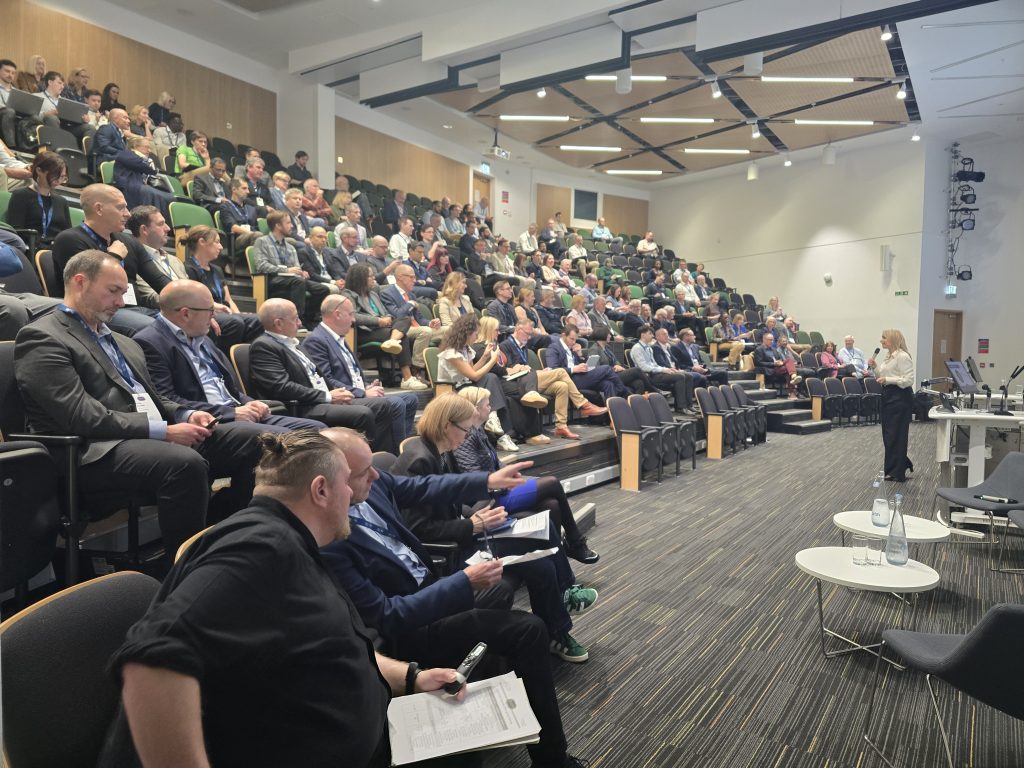
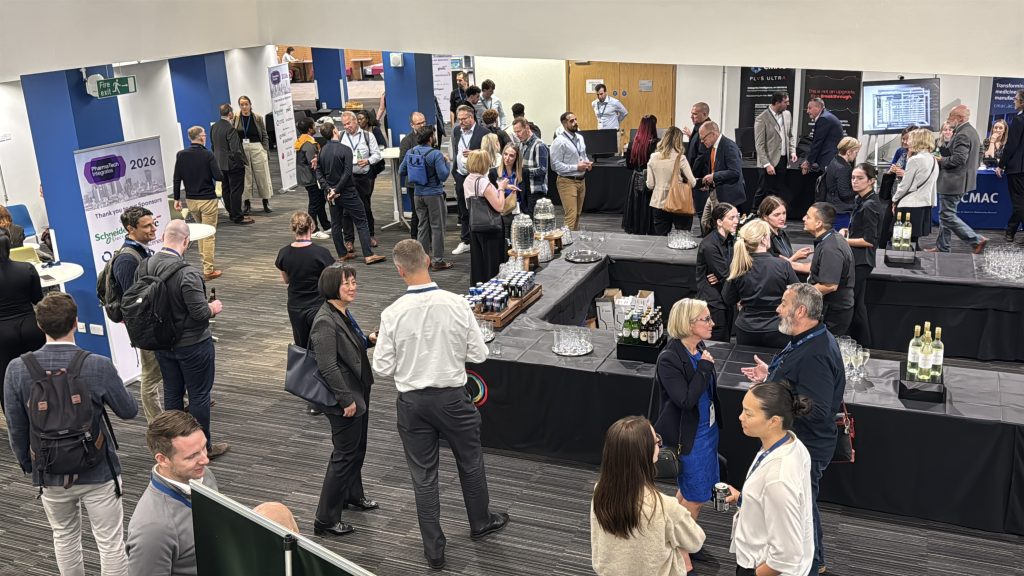
Returning to Glasgow for 2026, PharmaTech Integrates convened at the University of Strathclyde’s Sir Jim McDonald Technology and Innovation Centre, in the heart of the Glasgow City Innovation District. It was a fitting venue for a conference dedicated to putting cutting-edge technology to work in medicines manufacturing.
The event brought together leaders from global pharma, CDMOs, technology providers, start-ups, academia and the MHRA. They set out to take an honest look at an industry under growing pressure to move faster, to discuss what is genuinely working in pharmaceutical manufacturing, and what is still holding it back.

Complex modalities, from oligonucleotides and peptides to cell and gene therapies and radiopharmaceuticals, are placing new demands on manufacturing. Pricing pressure, supply resilience and sustainability targets are reshaping the economics of how medicines are made. AI, automation and digital tools are maturing rapidly. Timelines from first idea to commercial manufacturing have already shortened considerably, and shareholders, regulators and patients alike expect innovation to reach the clinic faster still.

Key Takeaways:
- Data comes first. AI can only deliver value from data that is structured, standardised and carries its context. Freeing data from documents and agreeing common standards are essential first steps.
- Start narrow and prove value. New technologies scale when they target focused use cases, show their value in business terms, and when leaders actively encourage adoption.
- Regulators are ready to engage. The bigger obstacles are legacy processes and fragmented global requirements. Early dialogue and standardisation can help clear the path.
- Cost and sustainability are converging. Pricing pressure and thinner margins on new modalities are strengthening the case for process intensification, and greener processes are often cheaper too.
- People remain central. AI works best when it supports human judgement under meaningful oversight. The industry must plan now for how it builds and retains expertise as automation advances.
Data before AI: fixing the foundations
Pharmaceutical manufacturing generates vast quantities of process, quality and supply chain data. Yet much of it remains locked in legacy systems, siloed between sites and functions, or held as expert knowledge that was never written down. Other industries that deploy AI, such as energy, face the same problem. Their experience offers a warning: large investments in infrastructure designed to pull all the data together do not produce insight on their own.
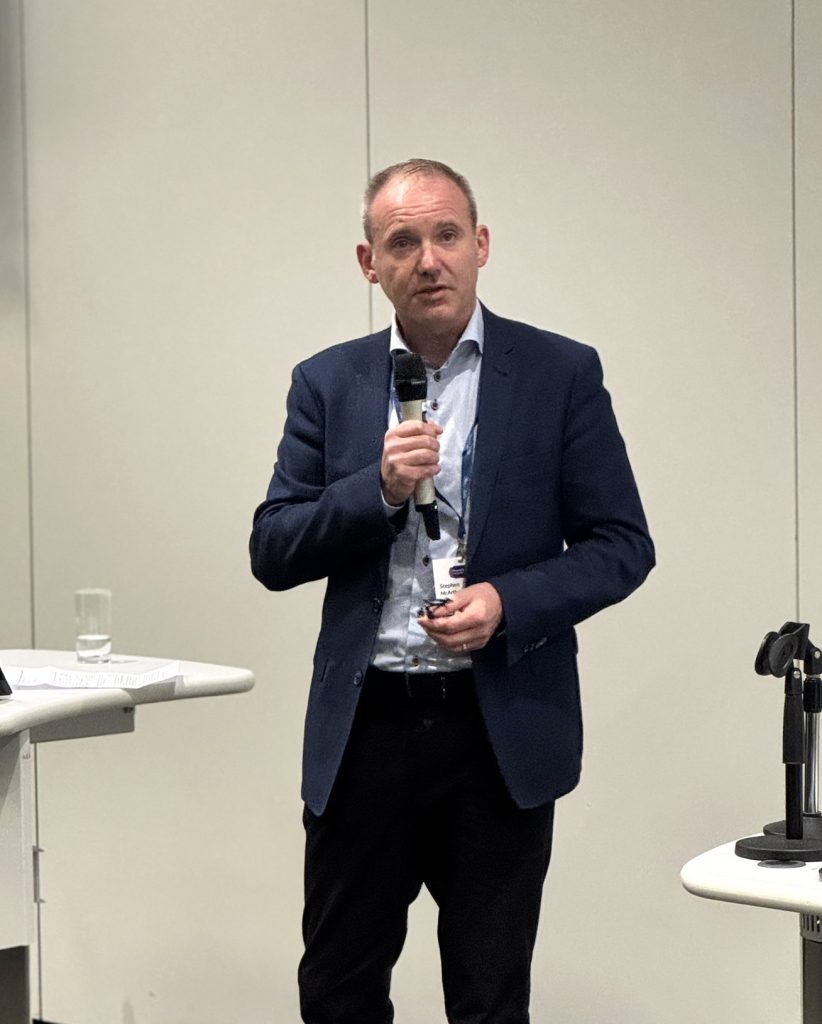
“If you go into an industrial environment where you get siloed data on different legacy systems, where not every single piece of expertise or knowledge is written down in a way that an AI algorithm can scan over it, then how do you get that value out of it?”
- Stephen McArthur, University of Strathclyde & Bellrock Technology
Attempts to shortcut this work can be costly. One cautionary example involved a multi-year, multimillion-dollar effort to automate technology transfer by deploying a large language model directly into a quality management system. The assumption was that because the data was already there, AI could make sense of it. The project delivered nothing.
By contrast, Google Deepmind’s AlphaFold was raised as a success story during a session: the AI model’s protein structure predictions are reliable because they rest on the Protein Data Bank, a structured, carefully curated resource built up over many years. For CMC and manufacturing, structured data with the right context has to come first.
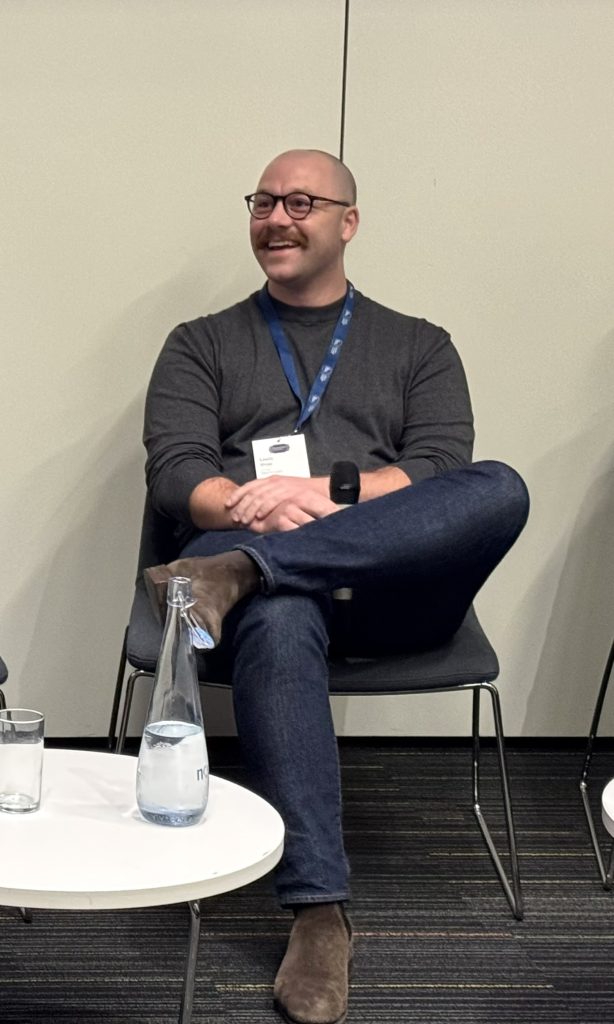
“There’s a lot that we can learn from the approach taken by AlphaFold… Organisations need to think about true data foundations to then enable production-ready agentic systems. Structure and context are key.”
- Lewis Shipp, QbDVision
“AI cannot be layered on top of disorganised, siloed, fragmented data. The amount of data is not the problem. The task is getting organised, getting the right data foundations, the right architecture.”
- Alix Mackay, DTG
Part of the challenge is how the industry has always worked. Pharma has long used documents as the container for data, from batch records and certificates of analysis to regulatory dossiers. Once data is inside a document it is hard to reuse, and getting it out usually depends on manual effort or handoffs that often take away key context.
“We rally around the document as the container. The difficulty with the document is that it becomes a prison for the data that it contains, so it ends up trapped within that document. Any time that you want to use that data, you have to go and visit that prison, and somebody has to try to get it out.”
- Maurice Prendergast, GSK
Efforts to digitalise certificates of analysis show both the scale of the task and the payoff. Handwritten and hand-stamped certificates are still in circulation, and the work has fed into an emerging global data standard.
Panellists likened data standards to the shipping container. Before containers were standardised, moving cargo around the world was slow, wasteful and error-prone. Once everyone agreed on a common size, ships, ports and trucks could all be built around it, and almost anything could be packed inside. Agreed data formats can do the same for pharma, removing much of the waste, error and delay that comes from reformatting information every time it moves.
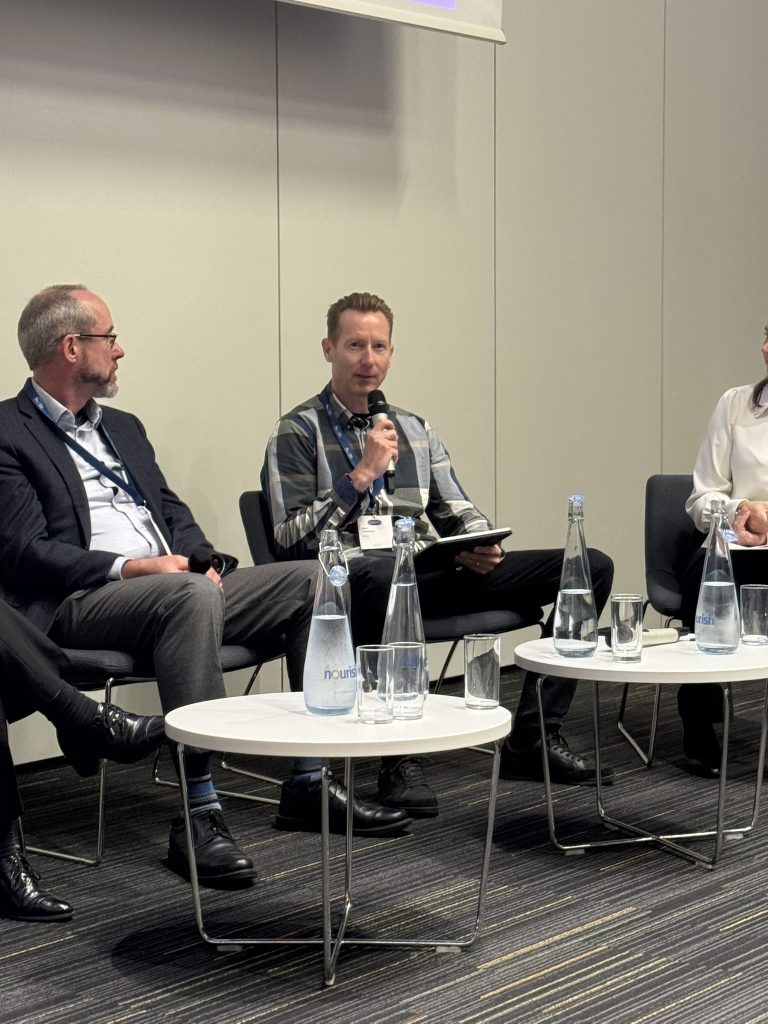
“Those cheeky workarounds in those handoffs… they actually represent the specification of what we need to build, and that’s where there’s the opportunity to collaborate.”
- Ben Mathews, Pfizer
The handoffs where information changes form – from paper to spreadsheet or from spreadsheet to data lake – are where value leaks out and where the reasoning behind decisions is most easily lost. That risk is driving pre-competitive collaboration between pharma companies and innovation centres on shared ways of representing scientific methods, so that context travels with data across organisational boundaries.
For any organisation, getting the data foundation in place is where the work begins.
From pilot to plant: making innovation stick
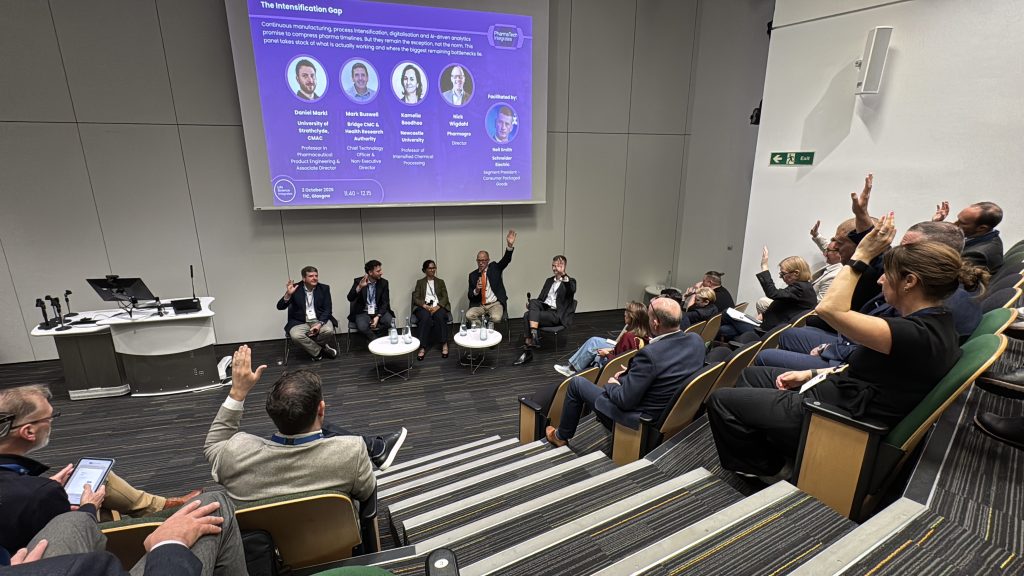
The technology works. But the harder question is why so much of it stalls between pilot and production. When delegates were asked at PharmaTech Integrates whether they had worked on a promising technology project that failed to scale, hands went up across the room. Experience from other sectors suggests patience is part of the answer: agentic approaches to industrial AI were dismissed as science fiction for over a decade before data, computing power and market understanding caught up.
For implementing AI in GMP environments, what does “good” looks like in practical terms?
- Start with the scientific or business question the system is meant to answer, who will use it, and what happens if it gets things wrong.
- Build evaluation frameworks that test the system end-to-end, from how it interprets a task to which data and tools it selects.
- Make those frameworks reusable, because the underlying models are updated and replaced frequently.
Scope matters too. Projects that try to transform an entire process at once tend to collapse under their own weight, while narrower objectives can prove value and build momentum.
“Trying to go wide and deep is really, really hard. Go narrow and deep, and bring success fast. You’re not trying to consume the elephant. You’re dealing with something that’s manageable, but has enough at stake that it will get noticed, and then you build success from that.”
- Rob Innes, DTG
The same pragmatism is paying off in process intensification. The industry is quick to criticise its own slow adoption, but continuous processing has made real progress in both drug substance and drug product. Much of that progress came once companies stopped pursuing fully integrated end-to-end lines and began adopting intensified technologies for individual steps.
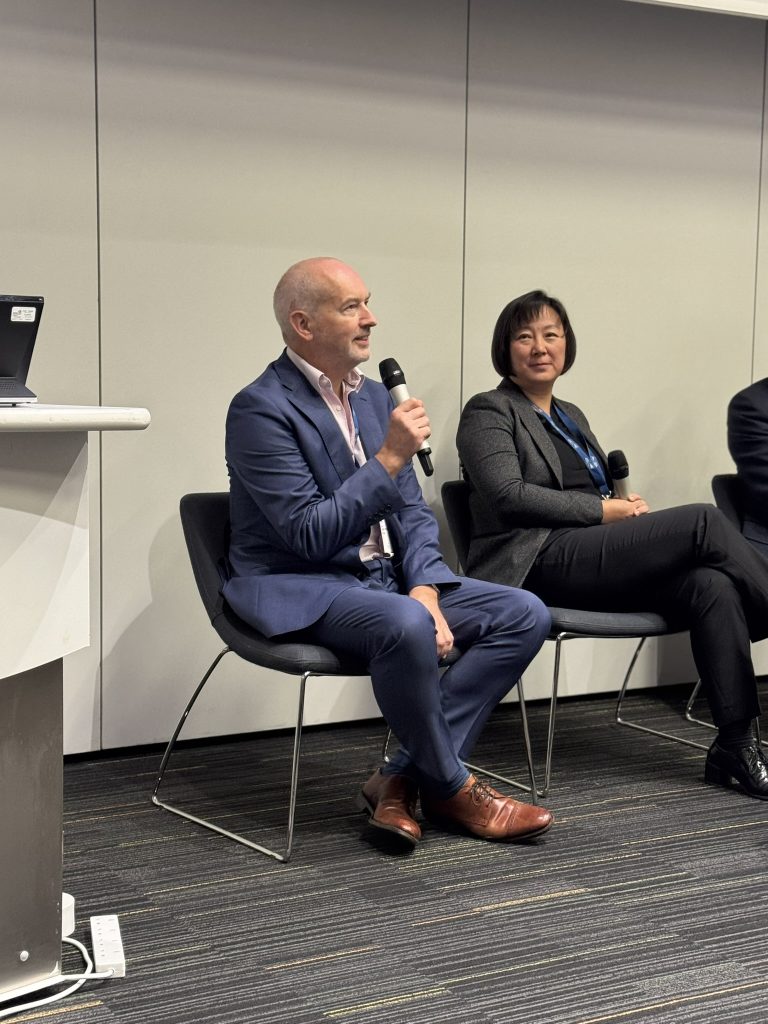
“I think we got a little bit lost 10 years ago trying to make a whole end-to-end intensification, rather than being a little bit more pragmatic. We’ve made progress by being pragmatic.”
- Mark Buswell, Bridge CMC & Health Research Authority
Technical merit alone rarely secures investment. Technologies gain traction when their value is put in the language of the business: higher yield, a more stable process, lower risk. Even then, innovation has to compete for resources with other important projects and goals.
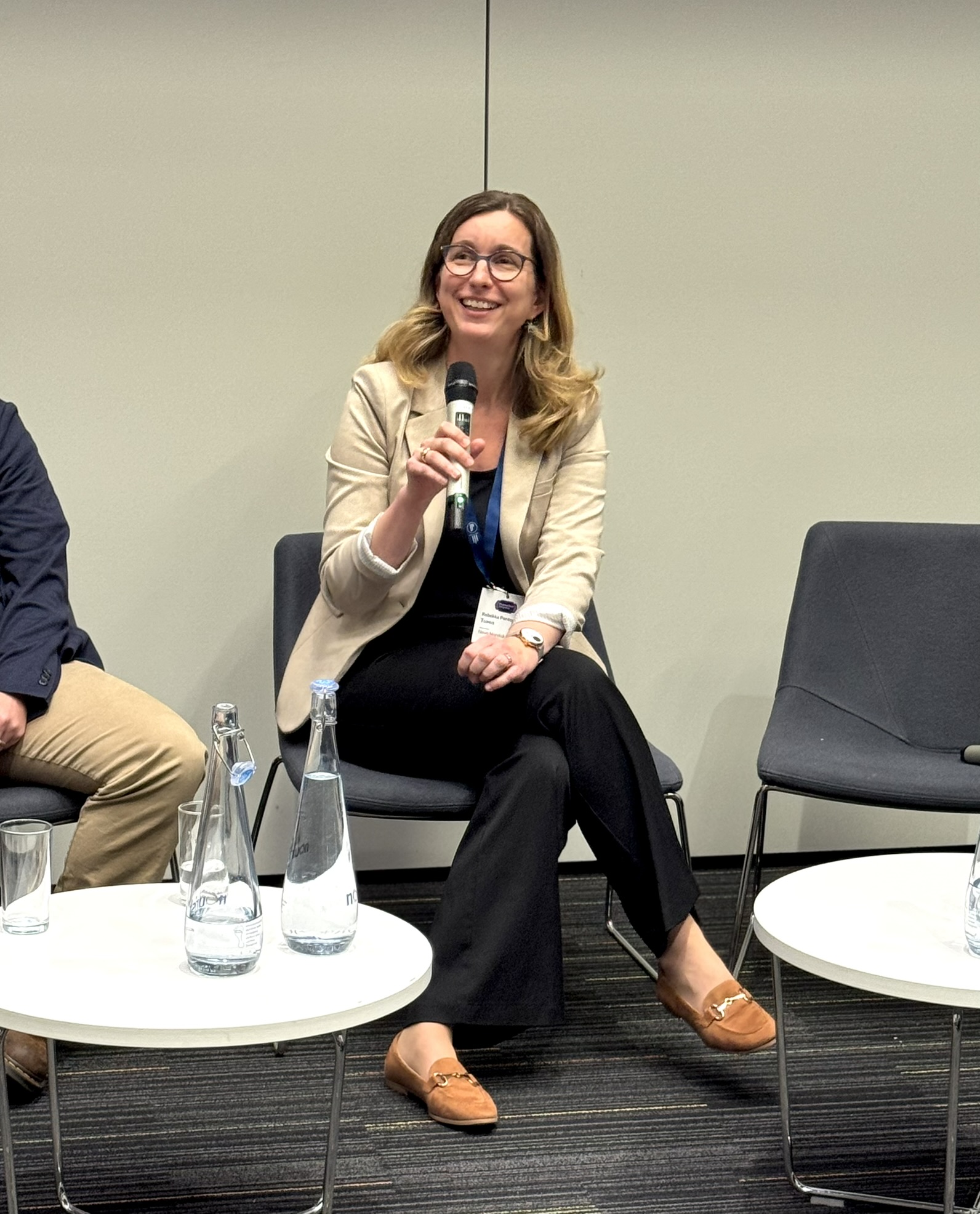
“If you cannot translate your technology into business value, then you will get nowhere. If you can, you still might not get anywhere, because you are competing with a project that comes with a compliance need.”
- Rebekka Pontoppidan Tuxen, Novo Nordisk
While new facilities can be designed around the latest digital and process technologies from the outset, most global networks still depend on decades-old sites and systems. This leaves a widening gap between an organisation’s newest and oldest plants.
Smaller innovators face a different hurdle. The documentation and rigour that large manufacturers apply to any new technology can overwhelm a start-up, meaning that dedicated funding is needed to mature promising technologies to the point where they can be adopted.
Culture ties all of this together. Speakers warned against deploying new tools and hoping they will be picked up. Change needs to be managed as deliberately as any other business transformation, with dedicated resource embedded in the teams expected to use new systems, and tools designed with those users in mind. Leadership matters too.
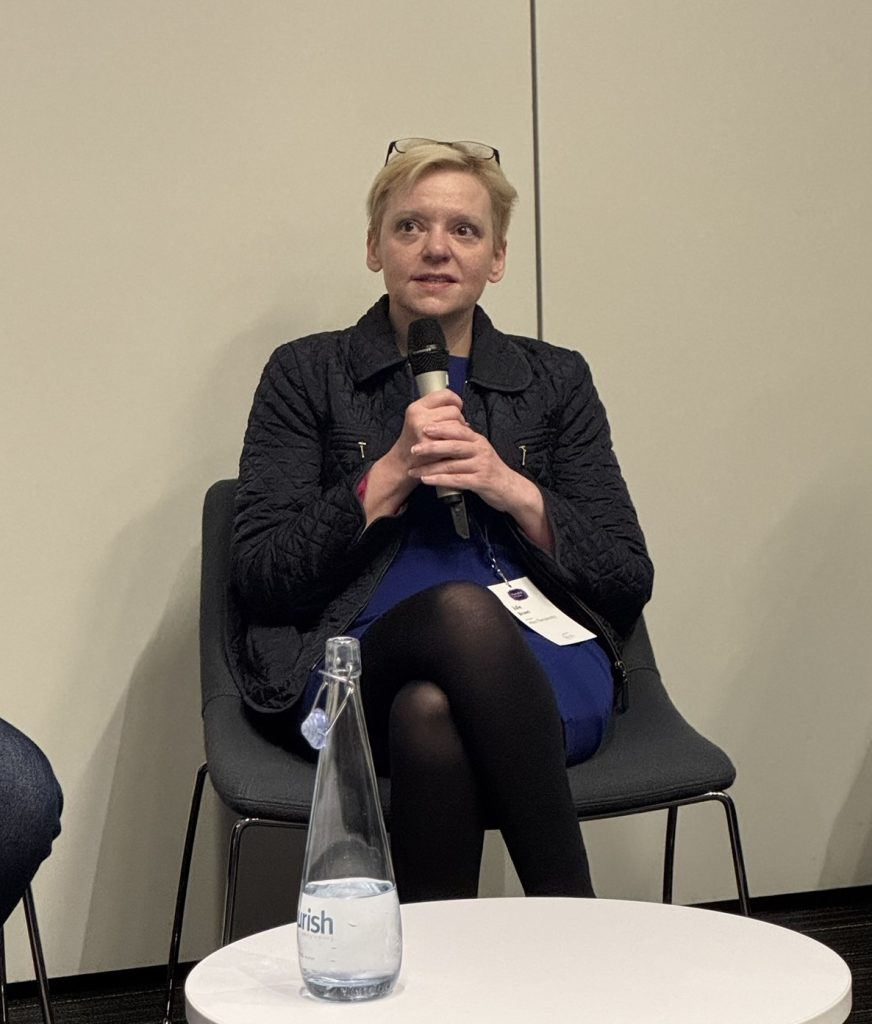
“The key thing for us is that it is led top down and embraced bottom up… If you’re not a leader that embraces AI, you shouldn’t be a leader in my industry. You should embrace AI use throughout the organisation. You shouldn’t dictate, but you should encourage.
- Julie Brown, Merz Therapeutics
As more pilots make it into production, attention is turning to how they can be scaled with confidence across sites, teams and regulatory jurisdictions.
Regulators as partners, not barriers
One of the most consistent messages of the day was that regulators are far less of an obstacle than the industry often assumes. The UK regulatory environment is open, engaged and increasingly geared towards innovation. The MHRA has invested in regulatory science centres and AI sandboxes, and the new Regulatory Innovation Office is a further sign of that intent.
“If you don’t feel you’re having a conversation with the regulators, you’re probably just not going at it in the right way. They want to go on the journey with you, so engage early.”
- Nicola Heron, Medicines Discovery Catapult
This openness is not new. For more than a decade, international symposia on continuous pharmaceutical manufacturing have opened with FDA leadership reminding delegates that regulators are not barriers to innovation.
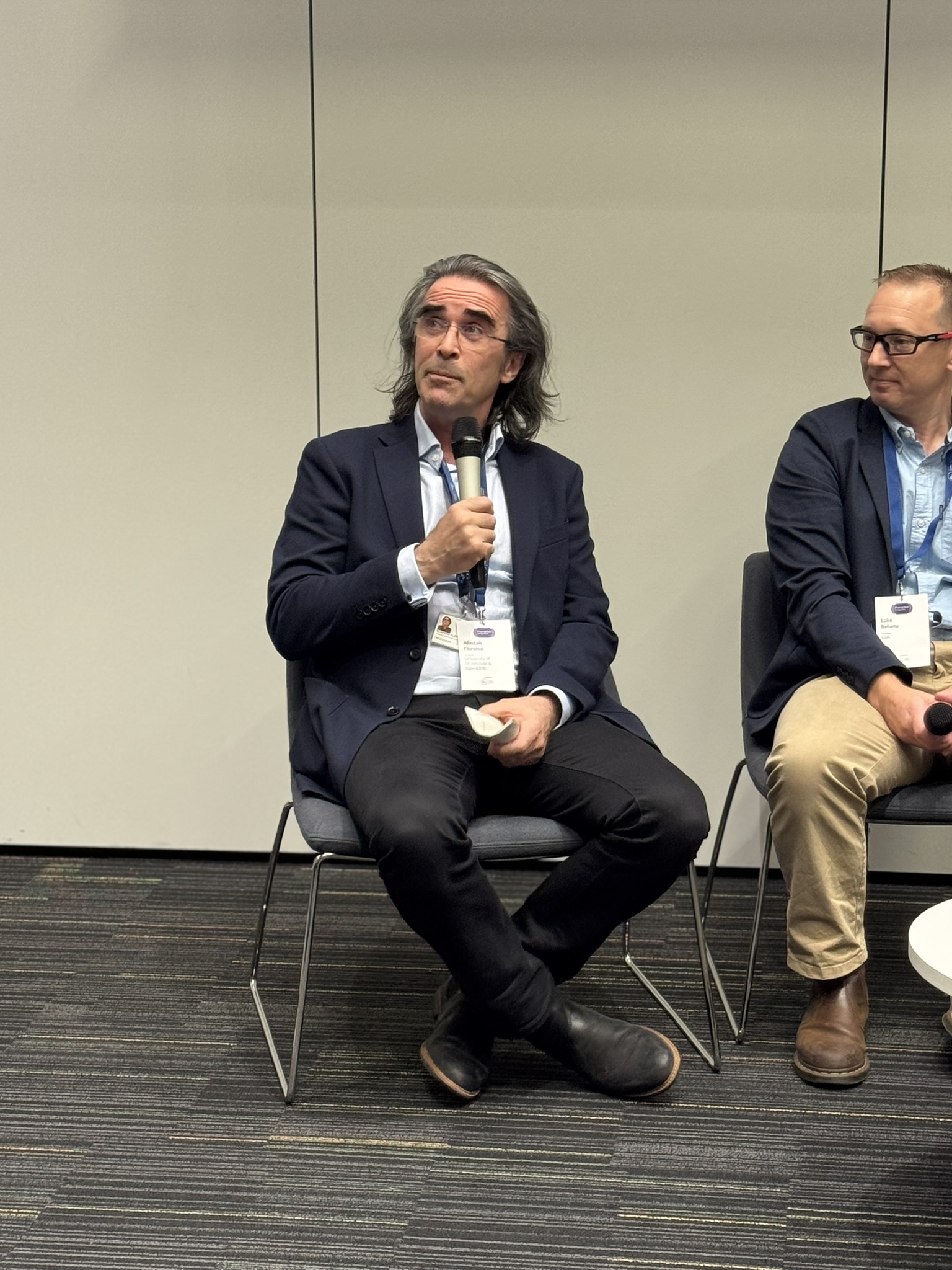
“I have not seen that message change from any regulator. Whatever the problem is, it’s a communication problem. It’s not a technology problem.”
- Alastair Florence, University of Strathclyde & OpenCMC
Much of the real friction lies in legacy processes and global complexity. Until a new technology is accepted everywhere, companies often confine it to non-GMP uses, where it delivers only a fraction of its value. Standardised dossiers and platform approaches offer a way to get innovative medicines to patients faster.
“We could have 30 different dossiers to prepare, with different specifications for different countries. From a maintenance perspective, this is horrible. Every time you improve the process or the analytical approach, you have to file all these changes across the globe. My mission is one quality, one regulatory, and one dossier.”
- Qiong Lin-Willitsch, Roche
AI raises newer questions. Traditional validation does not map neatly onto large language models. The emerging approach is to show that a model is credible for its intended use, with the evidence required proportionate to the impact of the decisions it informs, and monitoring built in from the start.
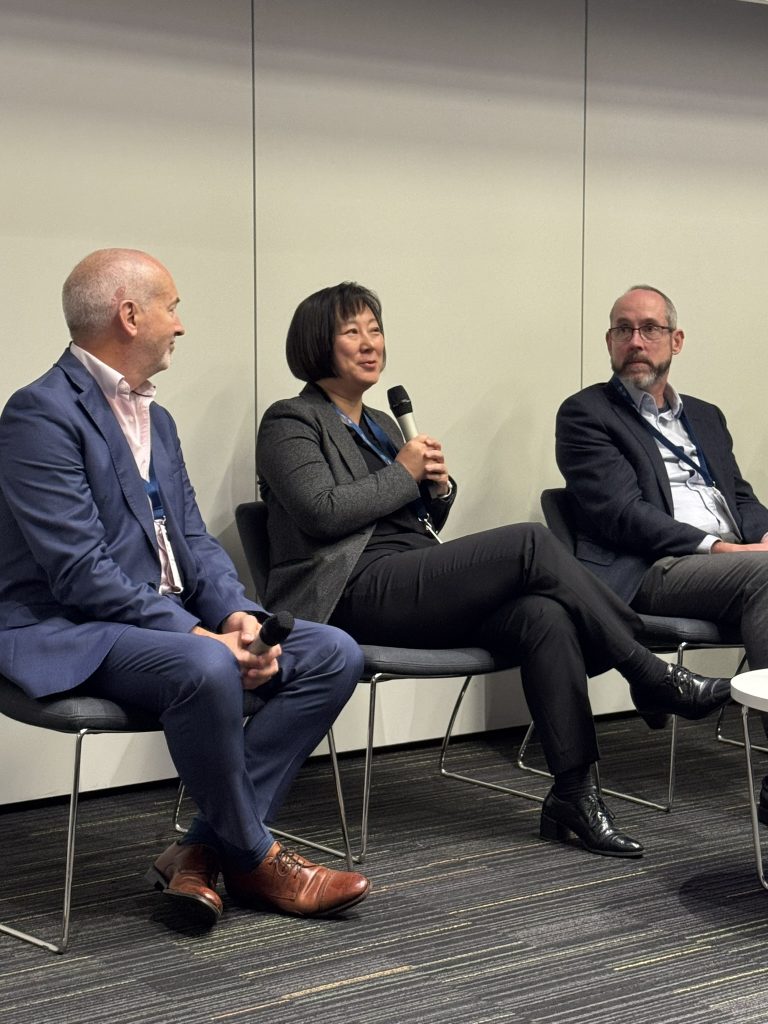
“Think about the context of the specific use of the model… There is a world in which we can sit with a lot more uncertainty in certain places, as long as it’s planned out within the broader system context.”
- MiRa Jacobs, MHRA
Regulators are ready to move. The challenge for industry is to engage early and to simplify the legacy processes that slow every change down.
Faster, cheaper, greener: the new economics of manufacturing
New modalities are changing what manufacturing has to deliver. Oligonucleotides, RNA therapies, radiopharmaceuticals and cell and gene therapies bring complex processes, specialised supply chains and high costs. The system that pays for medicines, meanwhile, was built around conventional treatments, often targeting symptoms.
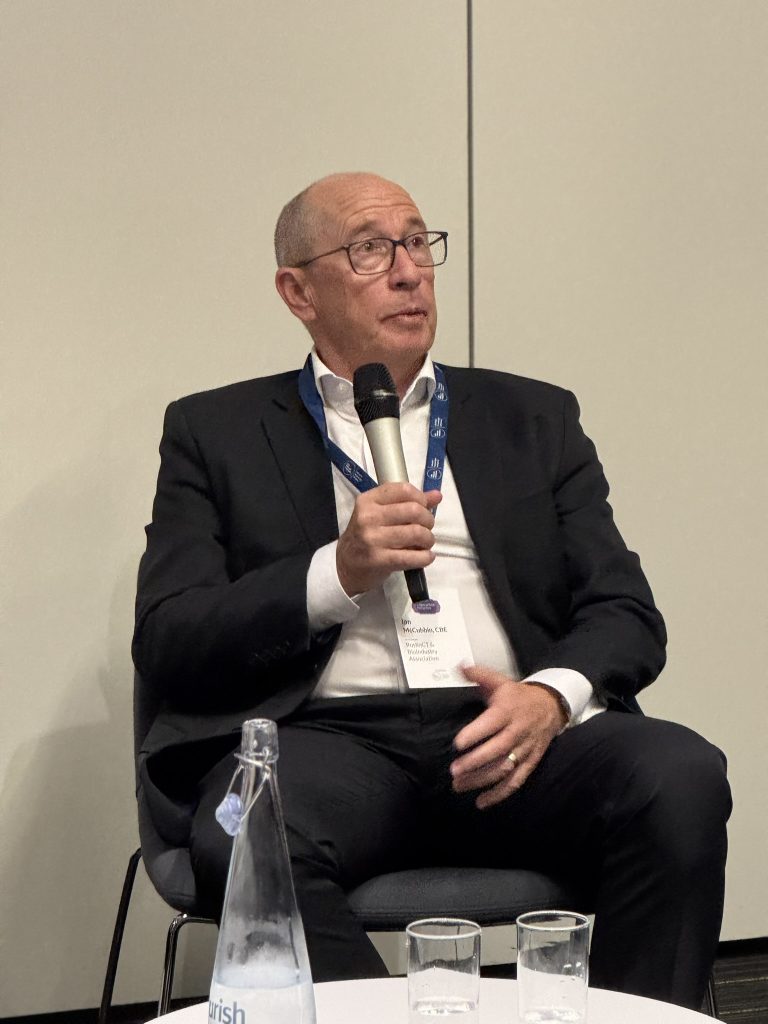
“These are potentially curative medicines, and they’re really expensive. Nobody quite knows how to value the benefit. We make a product for sickle cell disease that’s now licensed for patients as young as two years of age. How do you value a curative treatment for a patient at two years of age over a lifetime? Certainly not in the system we developed in the 1970s. Something has to change.”
- Ian McCubbin CBE, RoslinCT & BioIndustry Association
The modalities most likely to succeed will combine patient impact with an accessible price and the ability to manufacture at scale. Margins on many new modalities are nearer 40% than the 80% typical of established products, and governments are under pressure to cut drug spending. Cost of goods is moving up the agenda, and with it the case for process intensification.
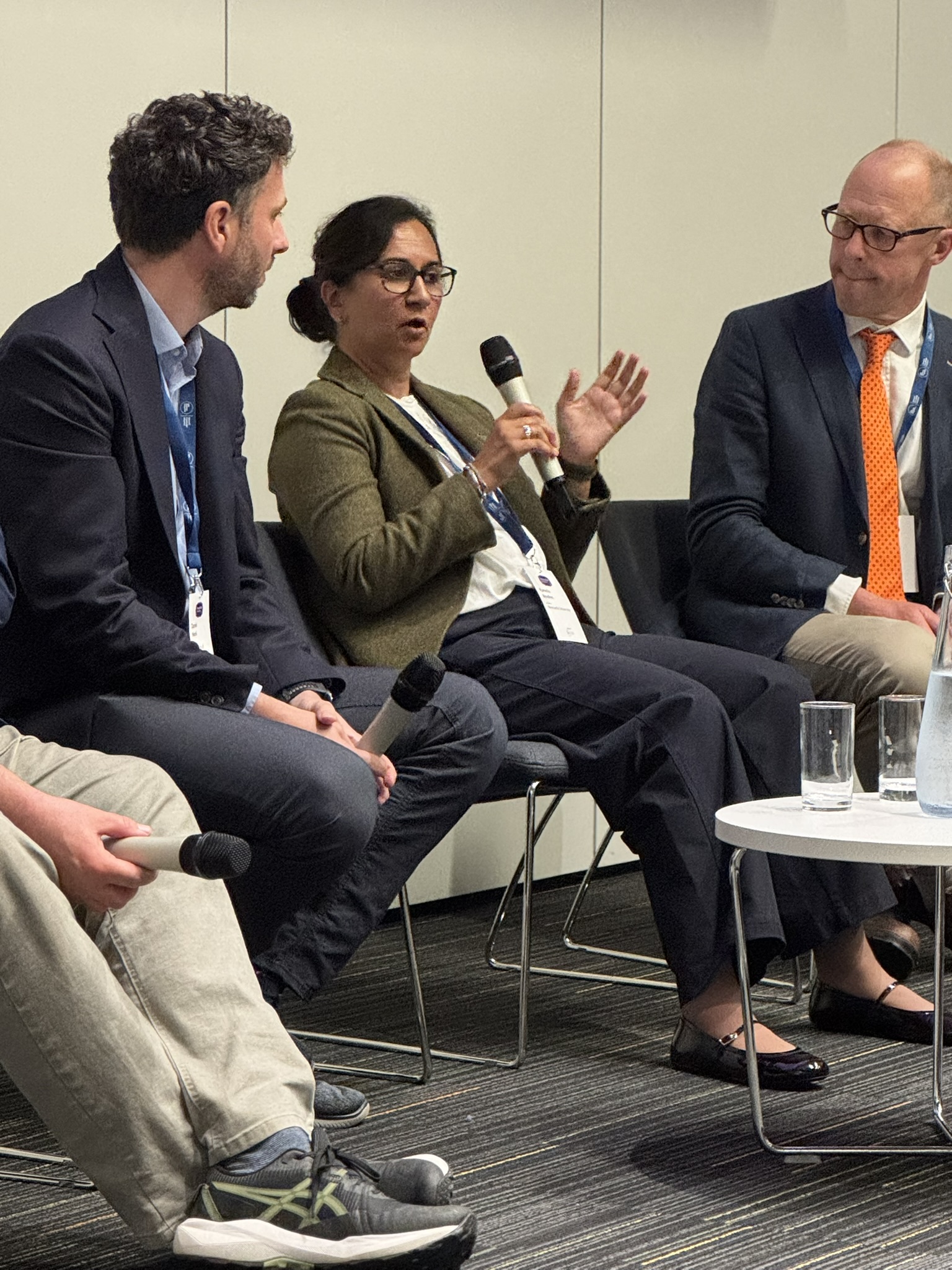
“Intensification is about a radical change in the process or the technology you’re using. We’re really aiming for at least 50% improvement in performance, up to maybe 10 times. It’s a step change.”
- Kamelia Boodhoo, Newcastle University
Adoption, however, remains slow. The industry is risk-averse, and many companies would rather be second than first. Existing plants represent huge sunk investment, so new facilities are the most realistic place to build intensification in. The economics also work against it at both ends of a product’s life. At launch, speed to market outweighs yield. Later on, investing in an established product can signal a weak pipeline to investors.
“When you’re sitting on the board of a top pharma company, it’s all about the new product… If I spend an extra six months trying to get the yield up on an existing product, the board is not interested.”
- Nick Wigdahl, Pharmagro
That is starting to change. Where cost pressure is acute, change follows quickly: oligonucleotide manufacturing intensified rapidly once cost of goods threatened commercial viability. The first regulatory approvals for continuous biomanufacturing platforms are also expected to accelerate wider uptake. Considering manufacturing strategy early in development can avoid costly redevelopment later.
Sustainability is increasingly part of the same equation. Much of a product’s environmental footprint is fixed at the design stage, and greener routes are often cheaper too, as enzymatic processes for products ranging from HIV medicines to bulk antibiotics have shown. Resource pressures add urgency: most small-molecule APIs ultimately derive from oil, and supplies of some metals used in catalysis are tightening. The challenge is making that case to leadership.
“When I speak to board members, I say sustainability, they see trees. They don’t see the business value.”
- Deborah McElhone, Evotec
Speakers suggested two ways to make that case. The first is to lead with business problems such as bottlenecks and yield, so that environmental gains form part of the same investment case. The second is to link sustainability to customer contracts and investor expectations, where it directly affects revenue.
“Nowadays, I really talk about sustainable efficiency. You have to deliver both productivity and efficiency to the manufacturing environment, while intentionally delivering an environmental benefit.”
- Neil Smith, Schneider Electric
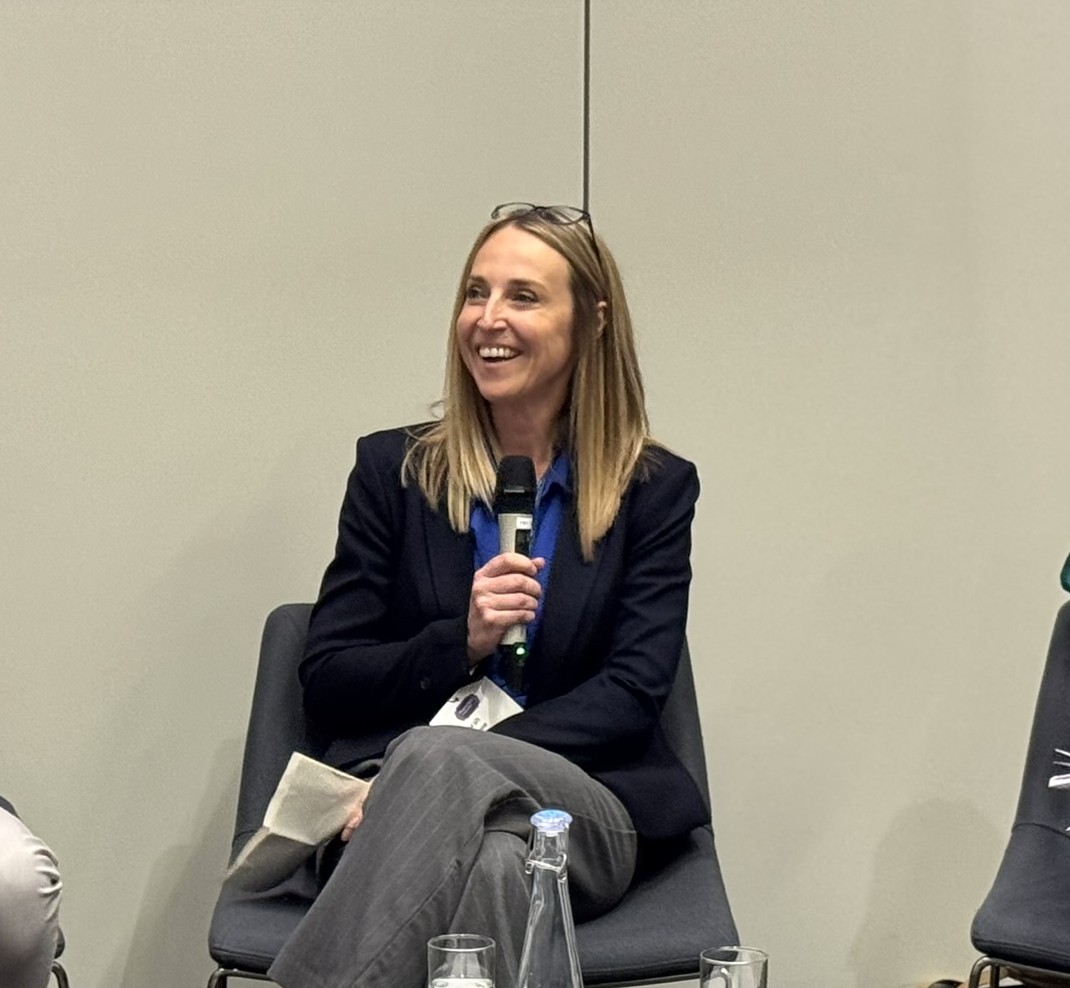
Faster, cheaper and greener are increasingly the same argument. The organisations that make it early in development will be best placed to deliver complex medicines at scale.
Keeping humans in the loop
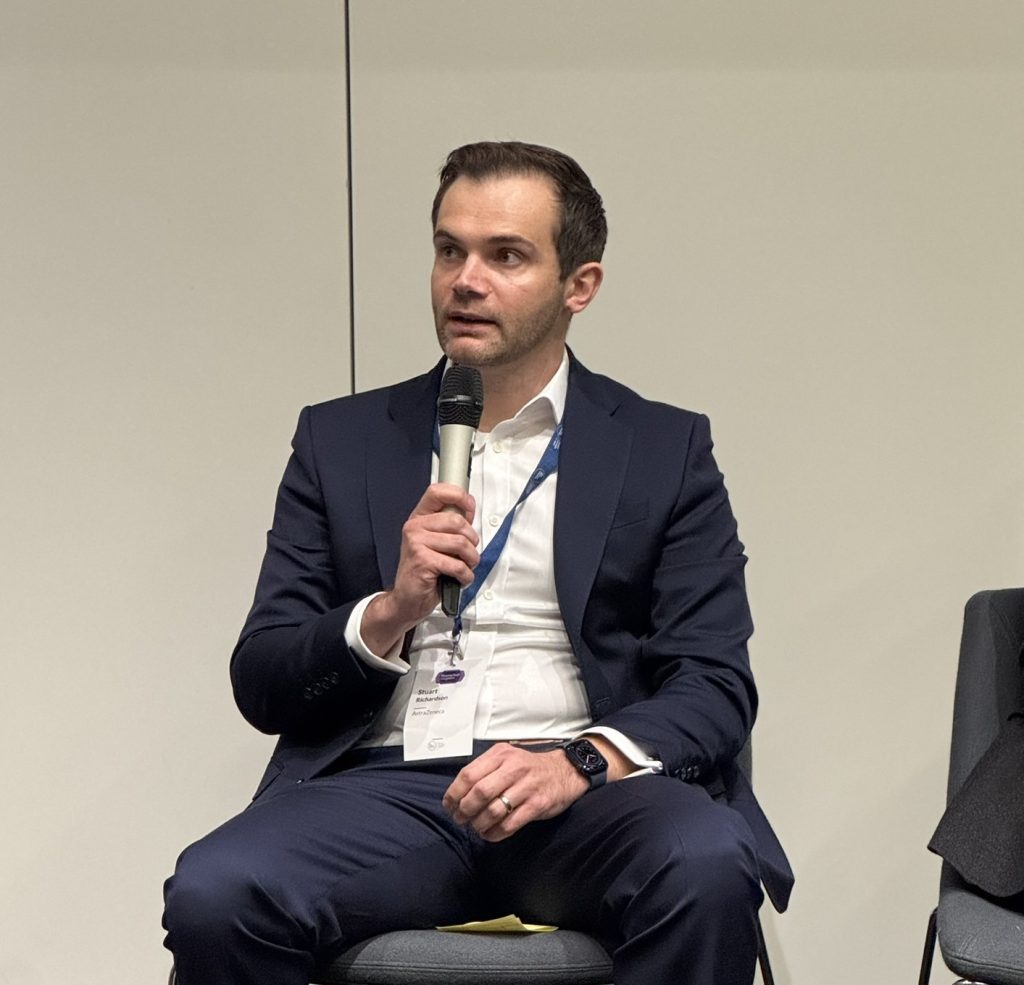
As AI and automation take on more of the work of making medicines, the role of people is a highly debated question. For now, the clearest gains come from augmenting human judgement: putting the right information in front of operators and scientists at the moment they need to act.
“What we’re trying to do is get real-time data to the people that can make a decision at the right time… That data loop is now alerting the operator and suggesting potential fixes.”
- Stuart Richardson, AstraZeneca
AI can also act as a check on that judgement, keeping multiple objectives in view and flagging what a busy team might miss.
“I see the real value for AI as a force multiplier for expert knowledge, a critical friend that taps you on the shoulder and says, ‘You missed this bit,’ or, ‘Have you forgotten to think about something?'”
- Murray Brown, Britest
In regulated environments, system transparency and human oversight are imperative. Users need to see what evidence a system drew on and how it reached its answer, and accountability must stay with people who can explain the outcome.
“ There’s a lot of discussion around keeping a human in the loop, but what does that mean in practice, so that we’re not just paying lip service to it? Is it clear what evidence the system is using? Is it clear what its reasoning is, and what the uncertainties are? And it’s not good enough just to store the output. In six months’ time, can we actually reconstruct how we ended up with that recommendation?
- Gavin Reynolds, AstraZeneca
Not everyone was convinced the human should always remain in the loop. People make errors too, and human error can never be fully removed from a process that relies on them.
“Is the human in the loop just a comfort blanket for us? I think we need to go slowly. We need to make sure that there are guardrails. But it’s difficult to say that AI is going to revolutionise everything, and yet we’re going to hinder it on this journey.”
- Luke Bellamy, GSK
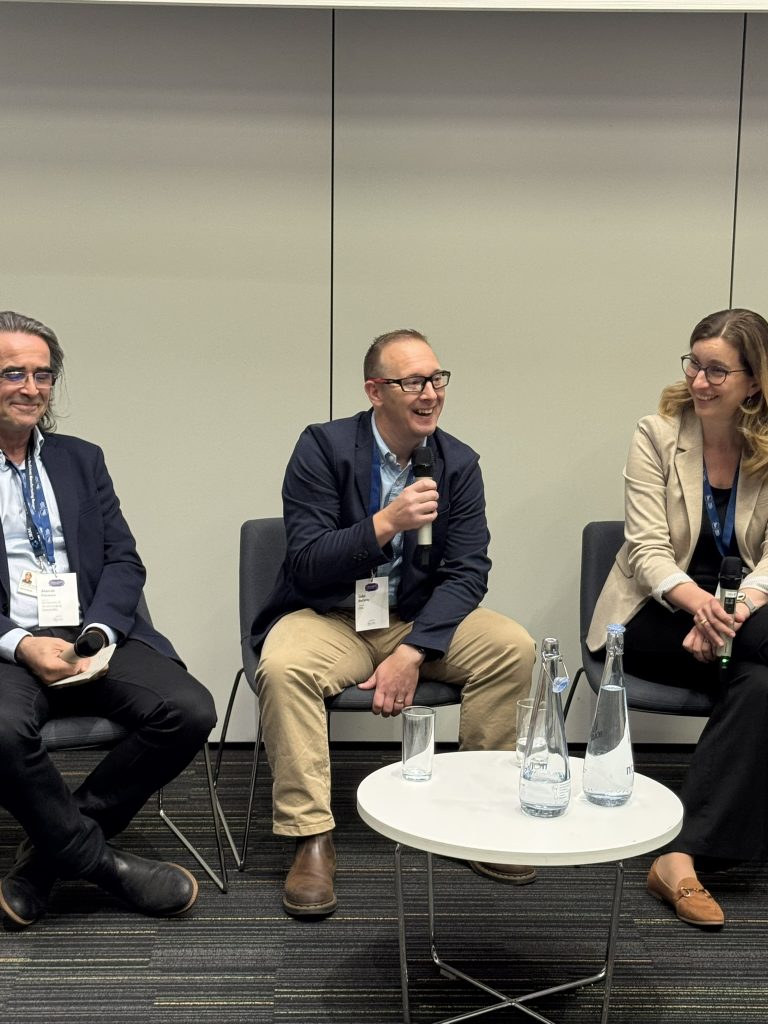
The question around the workforce of the future proved harder still. Efficiency gains are often framed as freeing people for higher-value work, but speakers questioned whether that work will always be there, and argued that the social impact of automation belongs on the sustainability agenda.
Expertise is at risk too. Experienced people remain essential when something goes wrong, yet automating junior roles could cut off the route by which that experience is gained. Digital systems may offer part of the answer.
Tackling these questions will take as much deliberate planning as any technology roadmap, and that planning needs to start while the industry’s most experienced people are still in post.
Writing pharma’s next chapter
PharmaTech Integrates 2026 showed an industry that is candid about its challenges and increasingly clear about how to tackle them. The technologies that could transform medicines manufacturing are maturing quickly. Their impact will depend on the groundwork around them: structured data, focused use cases that prove business value, early dialogue with regulators, and a workforce trusted to use new tools well.
No single organisation can do this alone. The pressures are real, and so is the momentum. If the conversations in Glasgow are any guide, the future of pharmaceutical manufacturing will be built by those prepared to fix the foundations now, and to bring their people, partners and regulators with them.



Thanks once again to all of our sponsors…






…And our event partners!



Sponsoring our Conferences
Interested in sponsorship at our events? Please get in touch or click below to send your enquiry over to us.
Announcement: Pharma Integrates 2026 is open for registration!

Pharma Integrates is a premier forum uniting senior leaders across pharma, life sciences, and healthcare to confront the challenges reshaping the industry — from commercial model transformation and supply chain resilience to data integration and patient experience. As the flagship event within the Life Science Integrates portfolio, Pharma Integrates has established itself as the essential gathering for executives driving the shift toward a more connected, outcomes-focused, and equitable healthcare ecosystem.
Announcement: Advanced Therapies Integrates 2026 is open for registration!

Advanced Therapies Integrates unites industry leaders to address the next stage of the ATMP journey – translating scientific promise into therapies that reach patients at scale. As the field continues to mature, we’re focusing on the operational, commercial, and financial realities that determine whether that translation succeeds, ultimately delivering improved patient outcomes and revolutionising healthcare economics.
This year’s event brings together therapy developers, regulators, supply chain partners, investors, technology providers, pharma, academia, and government bodies shaping the future of cell and gene therapies, regenerative medicine, and complex therapeutics. Advanced Therapies Integrates is fast becoming the leading UK event for turning cutting-edge research into real-world adoption.
Life Science Intelligence

Interested in reading about current industry trends in Life Sciences? You can find out more on our Life Science Intelligence page, including previous reports, news and articles.
Stay Connected
For further updates, stay connected on our LinkedIn page below.