Advanced Therapies Integrates 2025 – Industry Intelligence Report
In recent years, we’ve seen the immense potential of advanced therapies, revolutionising treatment for complex diseases, including cancers, autoimmune diseases, and genetic disorders. These life-changing therapies are at the cutting edge of biotechnology, but their journey from concept to market can be especially challenging.
Our recent Advanced Therapies Integrates 2025 set out to help pave a clearer path forward for ATMP developers as part of the inaugural London Bio-Innovation Week. Victoria House London provided the perfect backdrop for a day of discussions around life science innovation and collaboration.

The event brought together a diverse network of industry leaders, including patient advocates, innovators, investors, advisors and manufacturing partners. Through a series of panel discussions, these experts shared insights on what it takes to develop advanced therapies, and how to overcome the current challenges faced in the industry.
No one can do it alone
A key theme throughout the discussions was the importance of community and collaboration. Advanced therapies rely not only on strong science, but also on the partnerships and people behind them.

“Everyone likes to talk about community and ecosystem, yet it really is fundamental. If you don’t tap into that, it can be really hard to push anything forward, especially in the advanced therapy space.”
– Ruth Shah, Bayer Co.Lab Berlin
For early-stage developers, selecting the right partners and building strong, long-term relationships is crucial. Activities that would benefit from external expertise should be identified early, such as IP and regulatory support, preclinical and clinical development, and GMP manufacturing.
Cash might be tight for early developers, yet it can really pay off to engage early with partners, aligning scientific and industrial expertise. Clear frameworks are essential, but flexibility and agility matter just as much, enabling teams to adapt to unforeseen challenges. Cultural alignment ensures that when obstacles arise, partners can work together constructively. Behind every successful partnership are the people who make it work, with relationships built on trust, transparency and shared values. Collaboration is not just about capability; it’s about building a community.

“The best partnerships are those that really feel like an extension of your internal team. It’s about having people that you want to be in the room with when things go wrong.”
– Harry Kwong, Complement Therapeutics
The power of the patient voice
A standout session at Advanced Therapies Integrates 2025 was the panel “In Their Shoes”. This discussion highlighted real, lived experience from patients and their families, discussing why the patient perspective is so important. CAR-T therapy patient, Sandra Leadley-Watkins shared her story following her lymphoma diagnosis. After exhausting various treatment options, Sandra was offered CAR-T therapy, and has been in remission since receiving the therapy two years ago.
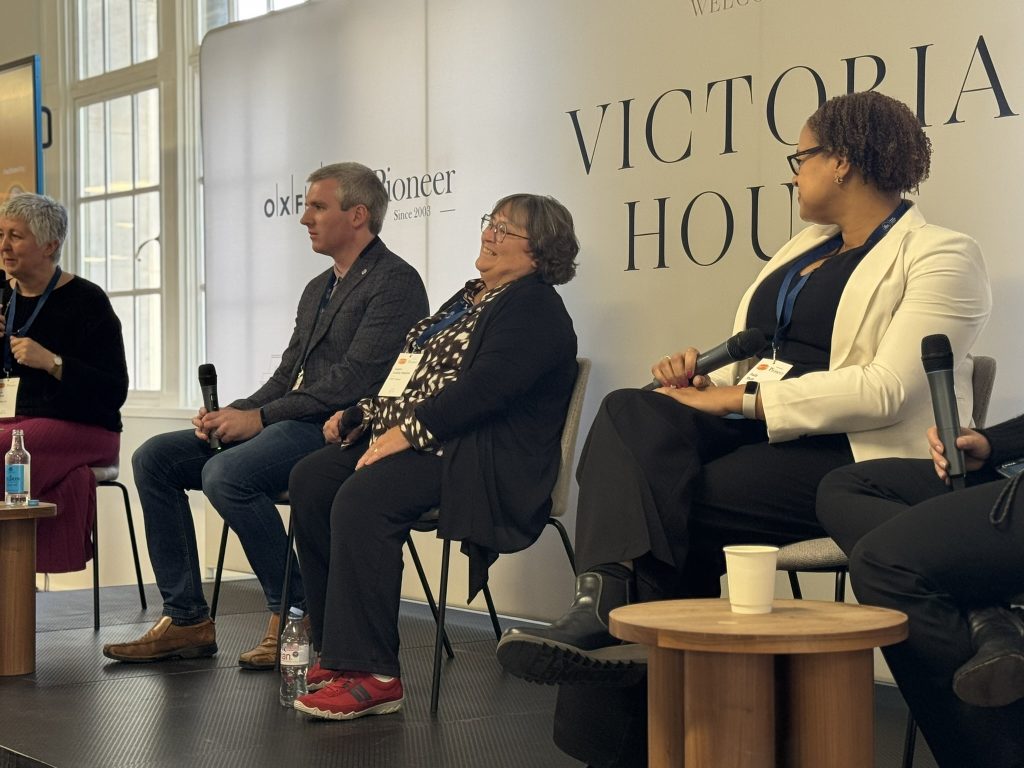
“It’s people like yourselves that mean I’m sitting here today, and I’m not the only one. For many other CAR-T patients, to get a cancer diagnosis is like having a bomb go off in the family. I might have the disease, but everybody else around me suffers from it as well. And so the treatment doesn’t just give me life, it gives life to my family.”
– Sandra Leadley-Watkins, CAR-T patient
Sandra’s story is truly inspirational as a reminder of why advanced therapies are so important. Alongside her on the panel were speakers from the MEF2C Foundation, Sickle Cell Society and the biotech company AAVantgarde Bio. Together, the panel shared how they are working tirelessly to give patients a voice, accelerating the development of therapies and ensuring that treatments will effectively meet
patient needs.
When it comes to funding, persistence is key
Currently, public funding may be stretched, and investors may be more cautious, but there are still diverse funding sources available to early-stage developers. This includes grants, venture capital, and angel investment across the UK, Europe and the US. Crowdfunding may also be an option for advanced therapies, with patients and their families helping raise capital for R&D. Across all sources of funding, success requires persistence, strong storytelling and relationship building. Investors need to see the potential impact of the therapy, and those relationships take time to cultivate, but they can significantly pay off in the long run.
To identify funding opportunities and improve your chances of success, you need the knowledge of those who have done it before. With this in mind, our “Investment Realities” panel included a mix of biotech founders, directors, and legal advisors, who offered their best tips and tricks to securing funding:
- Build a strong advisory board – Surround yourself with advisors who have a proven track record of taking advanced therapies to market. Their experience is not only vital for gaining credibility with investors, but for shaping your strategy and avoiding costly mistakes.
- Craft a compelling story – Clearly and concisely articulate the problem, your solution, and the potential impact on patients. A strong story helps investors connect emotionally and intellectually with your vision.
- Be relentless and resourceful – Fundraising is a marathon, not a sprint. Expect to speak with 10x more investors than you need, and explore every possible source, leaving no stone unturned.
- Build relationships early, and maintain them – Start engaging investors years before you need them, as most deals come from long-term connections. Nurturing those relationships between rounds is also important, as these relationships can pay off when you least expect.
- Stay flexible – Consider alternative revenue streams (e.g. licensing part of your technology, selling platforms) to sustain operations, and think globally, with US investors often seeing UK companies as cost-effective opportunities. Aligning your projects with national initiatives can also increase funding chances.
- Understand market dynamics – Whilst we experience a prolonged “nuclear winter” in biotech funding in the last few years, it may be worth waiting for better terms rather than accepting bad deals. Stay informed of pharma trends that could affect the funding landscape, including the upcoming patent cliff.
Your team sets the stage for success
A key message came through in a number of panel sessions: that for early-stage companies, success starts with building the right team, and cultivating the right environment for them to thrive. Your workforce needs to embrace ambiguity, as it’s likely that there won’t be enough people to cover every role. Team members must “fill in the gaps” and take on tasks outside of their comfort zone.

“There is an absolute phenotype of person that’s cut out for a start-up: people who are hungry, comfortable in uncertainty, and willing to roll their sleeves up.”
– Katy Newton, MFX
As pipelines progress through preclinical and clinical stages, the required skillsets can change dramatically. This means it’s key to hire the right people at the right time. Hiring mistakes can be costly, emphasising the importance of selecting the right team. AI can improve efficiency in drafting job descriptions, however, it’s important to think carefully about what skills and expertise your company needs when recruiting.
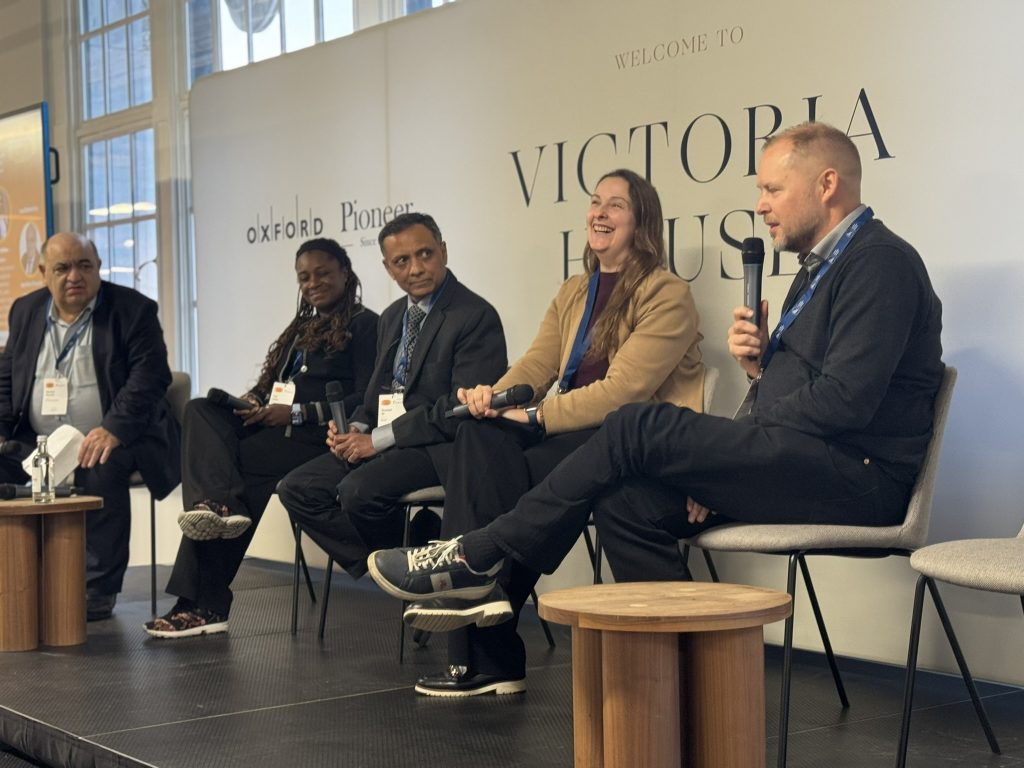
“I’ve been in this industry for 14 years, conducting interviews and taking part in hiring sessions. One thing is clear, and that is we need to make sure we get the right people with the right skills at the right time.”
– Arunesh Sil, Sanofi
Given the fast-paced nature of advanced therapy development, adaptability and flexibility are essential skills. Digital skills are also crucial, with manufacturing tools and technologies evolving at a rapid pace. The “Make them Smarter” panel highlighted that your team needs to think about data quality, AI, automation, and digital tools from the start. Despite upfront expenses and validation timelines, this approach will ensure commercial viability and scalability further down the line. Cross-sector hiring from fields like engineering, robotics, and IT can accelerate automation and bring fresh perspectives to complex challenges. However, this only works when technical expertise is integrated with strong scientific and process understanding.
Passion, partnerships, and the patient voice
Following Advanced Therapies Integrates 2025, we are inspired and optimistic about the future of ATMPs in the UK. Progress in this sector will depend on more than scientific breakthroughs. It will require sustained collaboration, flexibility, persistence, and a shared commitment to improving patient outcomes. Moving forward, the industry must continue to strengthen partnerships, embrace digital innovation, centre therapies around patient needs, and invest in talent development. These elements will be critical to scaling therapies and ensuring they reach those who need them most. The message is clear: success in advanced therapies is a collective effort, and the ultimate goal remains improving lives worldwide.