Bio Integrates 2026: Industry Intelligence Report

Key Takeaways:
- The biotechnology industry is moving from survival to cautious renewal. Capital is returning, but investors are becoming more selective and expect clearer evidence of differentiation, commercial focus and development readiness.
- Patient impact must be designed in from the beginning. In the biotechnology industry, early patient engagement can strengthen trial design, improve endpoint selection and ensure development strategies reflect meaningful real-world outcomes.
- Resilience starts early in the development pathway. Product design, CMC planning, regulatory strategy, knowledge retention and partner selection all influence whether biotech programmes can progress without avoidable fragility.
- Strategic collaboration is becoming a core growth capability in biotech. Partnerships, AI-driven alliances and ecosystem connections can help companies access expertise, data and infrastructure, but only when built around trust, clarity and shared value.
- The next phase of UK biotech growth will depend on more than breakthrough science. To scale successfully, companies need the structures, strategies and collaborations that turn scientific ambition into patient-ready innovation.



From Survival to Renewal: What Comes Next for the Biotechnology Industry?
The UK biotechnology industry is entering a new phase. After several years defined by capital constraint, difficult funding conditions and increasing pressure on early-stage companies, the mood across Bio Integrates 2026 was one of cautious renewal. Optimism is returning, but selectively. Capital is available, partnerships are evolving and new technologies are creating fresh opportunities, but the expectations placed on biotech companies are higher than ever.



Hosted by Pioneer Group at Victoria House in central London, the event brought together innovators, investors, pharma leaders, regulators, service providers and patient advocates in a setting that embodied the wider ambition of the day. As a major new life sciences hub in the capital, Victoria House provided a fitting backdrop for discussions on how the biotechnology industry can build the infrastructure, partnerships and momentum needed to scale.


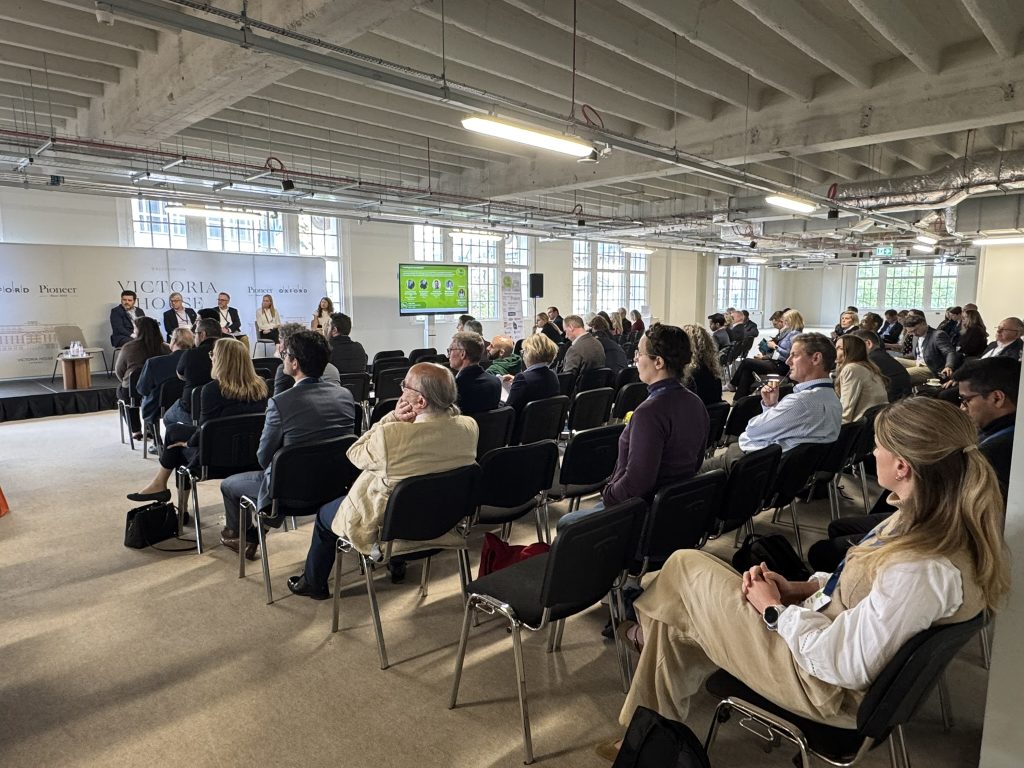
The day’s discussions reflected a sector in transition. While breakthrough science remains essential, it must now be matched by commercial focus, operational resilience, strategic collaboration and a clear understanding of real-world need. From competing for investment in a more selective market to designing development strategies around patients, building resilience and harnessing AI through purposeful partnerships, the event highlighted the priorities shaping the next chapter of biotech growth.

This report distils the key themes to emerge on the day, exploring how the sector can move from survival to renewal and build a more connected, competitive and patient-focused future.
Competing for capital in a more selective market
After several difficult years for biotech funding, the biotech sector is beginning to look ahead with renewed confidence. However, at Bio Integrates 2026, this optimism was measured. Capital is returning to the biotechnology industry, but it is doing so with greater caution, sharper scrutiny and higher expectations.
“We need to remember that, for all the pain and misery and hard work of building ventures and raising money, this sector is not doing too badly. In Q1 this year, we raised just over half a billion, that’s number two in the world outside the US and bigger than the rest of Europe combined. I think sometimes we forget what an extraordinary sector this is.”
- George Freeman MP
The UK continues to hold a powerful position in global life sciences, with deep research capability, strong clusters and a long track record of scientific innovation. Yet the challenge is no longer simply generating breakthrough ideas; it is building companies that can turn those ideas into retained commercial value. In a funding environment defined by selectivity, competitiveness increasingly depends on whether companies can show not only promise, but progress.
For individual companies, this creates a more demanding environment. Investors are still deploying capital, but they are backing fewer opportunities and applying greater scrutiny to the quality of each proposition. Strong science remains essential, but it now needs to be matched by clear differentiation, robust development planning and a credible route to commercial value.


“From the second half of last year, things started to ease a little bit, and this year we have definitely seen more investment, but in fewer companies. It is still tough for a lot of companies out there. I think maybe the money is being more picky about where it goes.”
- Dianne Lee, DLRC Group
That selectivity is particularly difficult for discovery and preclinical companies. Clinical-stage assets continue to attract interest, but earlier-stage innovators often face a harder path to generating the evidence needed to unlock larger rounds. The result is a familiar but increasingly pressing dilemma: investors want more de-risked assets, but companies need capital to generate the data that enables de-risking.
“Investors are wanting de-risked assets before they’ll fund, but who’s going to fund the de-risking? That’s the real problem still for a lot of UK biotech.”
- Matthew Fyfe, Outrun Therapeutics
As expectations shift, founders are being asked to answer commercial questions much earlier. Market positioning, reimbursement, scalability, regulatory strategy and exit potential are no longer distant considerations. Instead, they are increasingly part of early investment conversations. This is changing how companies define value, prioritise programmes and decide which evidence packages will move them toward the next inflection point.
“Investors are looking for not just robust science, but a clear differentiation strategy, an assessment of how you’re going to get reimbursement, a sense of what creates the value and how you’re going to scale the technology.”
- Nicolas Koebel, EpilepsyGTx
In response, many biotechs are becoming more disciplined and more adaptive. Some are narrowing their pipelines to focus on the assets most likely to reach meaningful value inflection points. Others are looking beyond traditional venture capital, exploring strategic investors, international funding sources, family offices, high-net-worth individuals, licensing opportunities and partnership-led models. For companies able to show technical progress, regulatory validation or additional routes to revenue, these approaches can help extend runway while strengthening the investment case.


“Having technical data, being further down the line and having approvals from regulators really helps because it takes some risk out. We were able to look at licence deals, bring upfront revenues in and start getting milestone payments. I did that to de-risk our revenues, our runway and our funding, but what it inherently did was de-risk the proposition for venture.”
- Camilla Easter, Oxford Medical Products
In this more selective market, competitiveness depends on more than surviving the downturn. The companies best positioned for the next phase of growth will be those that combine scientific conviction with commercial clarity, strategic focus and operational discipline.

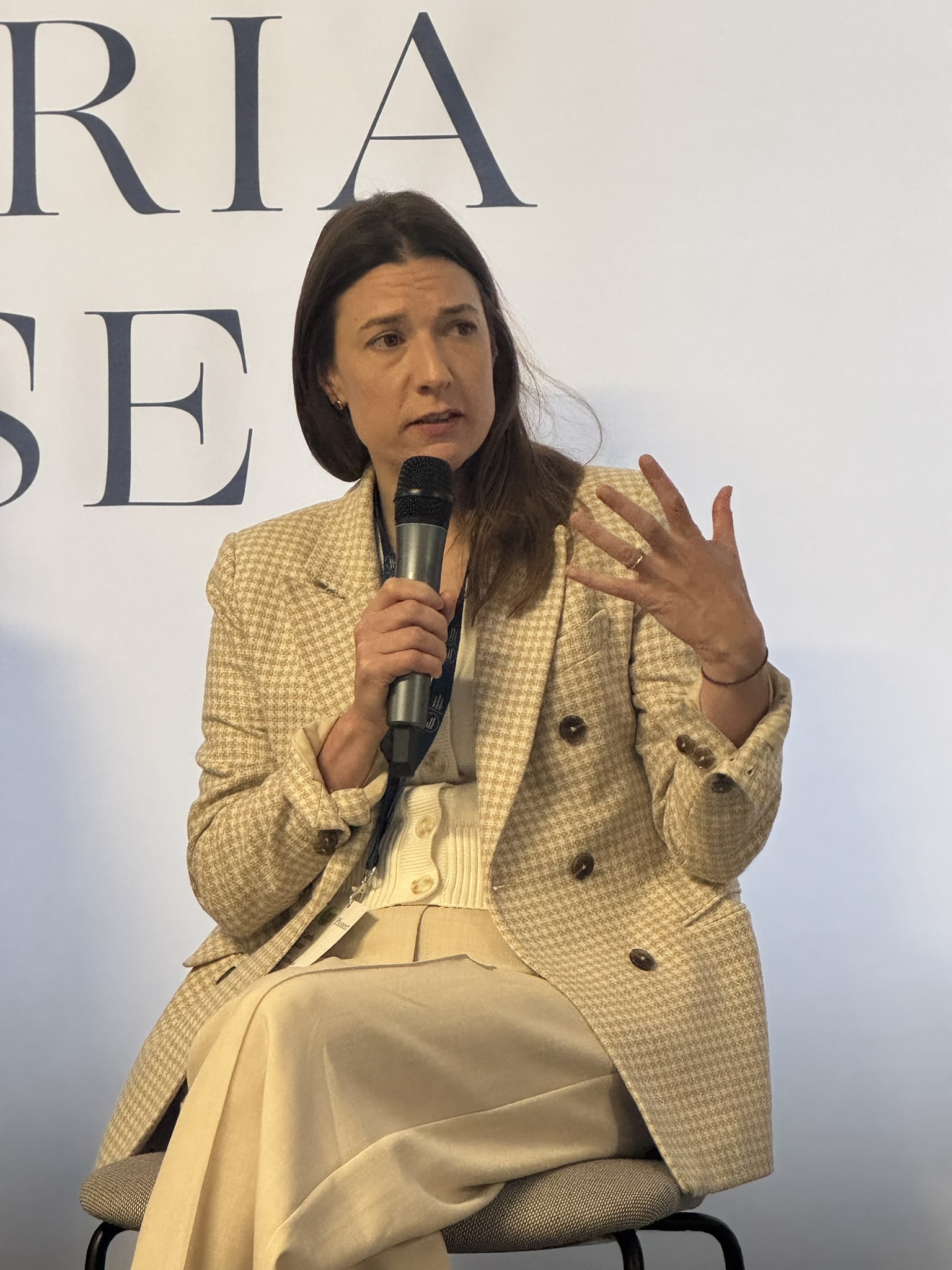
Isabel Teare from Mills & Reeve facilitating the ‘Built to Compete: Stand Out Strategies in Biotech’ panel (left).
Camilla Easter from Oxford Medical Products (right).
Designing biotech around real-world impact
One of the clearest ways to strengthen the scientific promise is to understand what real-world impact actually means for patients, clinicians and healthcare systems.
Innovation does not automatically translate into access, adoption or meaningful benefit. A therapy may be scientifically compelling, but if its endpoints do not reflect what patients value, if trial designs create avoidable barriers to participation, or if access pathways are considered too late, its impact can be limited long before it reaches the market.
“I see so often in brand plans: ‘we’re going to be patient-centric.’ I just wonder how many times patients are actually central to the model. There are multiple benefits to making sure you get your endpoints correctly.”
- David Jones, Sagio
The value of early engagement was made clear through examples where patient input changed how companies understood disease burden and clinical relevance. In rare and complex conditions, patients and advocacy groups can bring lived experience that traditional development pathways may miss, influencing everything from recruitment and retention to endpoints, outcomes and access.

“We had interactions with patients with desmoid tumours and the Desmoid Tumour Research Foundation, and they said pain was really a much bigger item than we had made out in the clinical trial. We changed the design so that pain was much more important and much more carefully collected. When we got to the FDA, that was the thing they said: that’s why you’re getting approval, because you showed patient benefit.”
- Jim Cassidy, Pathos
This speaks to a broader shift: patient engagement is becoming more powerful because it can improve the quality of development decisions. Rather than treating patient involvement as a box-ticking exercise, companies can use it to test assumptions, refine trial design and ensure that clinical evidence reflects what matters in daily life.
That is especially important in rare disease communities, where patient organisations often become hubs of knowledge, data, fundraising and international connection. Smaller groups may lack the visibility of larger charities, but they can hold highly specific insight into disease progression, unmet need and the practical realities of living with a condition.
“Patient groups are very mature now and have a huge ability to bring voices and information together, but you need the support from the wider community in order to move that forward. We’re not as loud as we could be because we’re not being given the opportunities to be loud.”
- Sophie Muir, Timothy Syndrome Alliance
Designing for real-world impact also means treating access as part of the innovation pathway rather than a post-approval concern. Trial geography, regulatory strategy, reimbursement and healthcare system fit all shape whether patients ultimately benefit.
For the biotechnology industry, patient impact cannot be assumed at the end of development. It has to be considered and designed in from the beginning through earlier engagement, better endpoints and development strategies that translate lived experience into meaningful evidence.



David Jones from Sagio (left).
Nicola Redfern from NJ Redfern Ltd facilitating the ‘Patients First: Shaping Biotech That Matters’ panel (right).
Building resilience into the development pathway
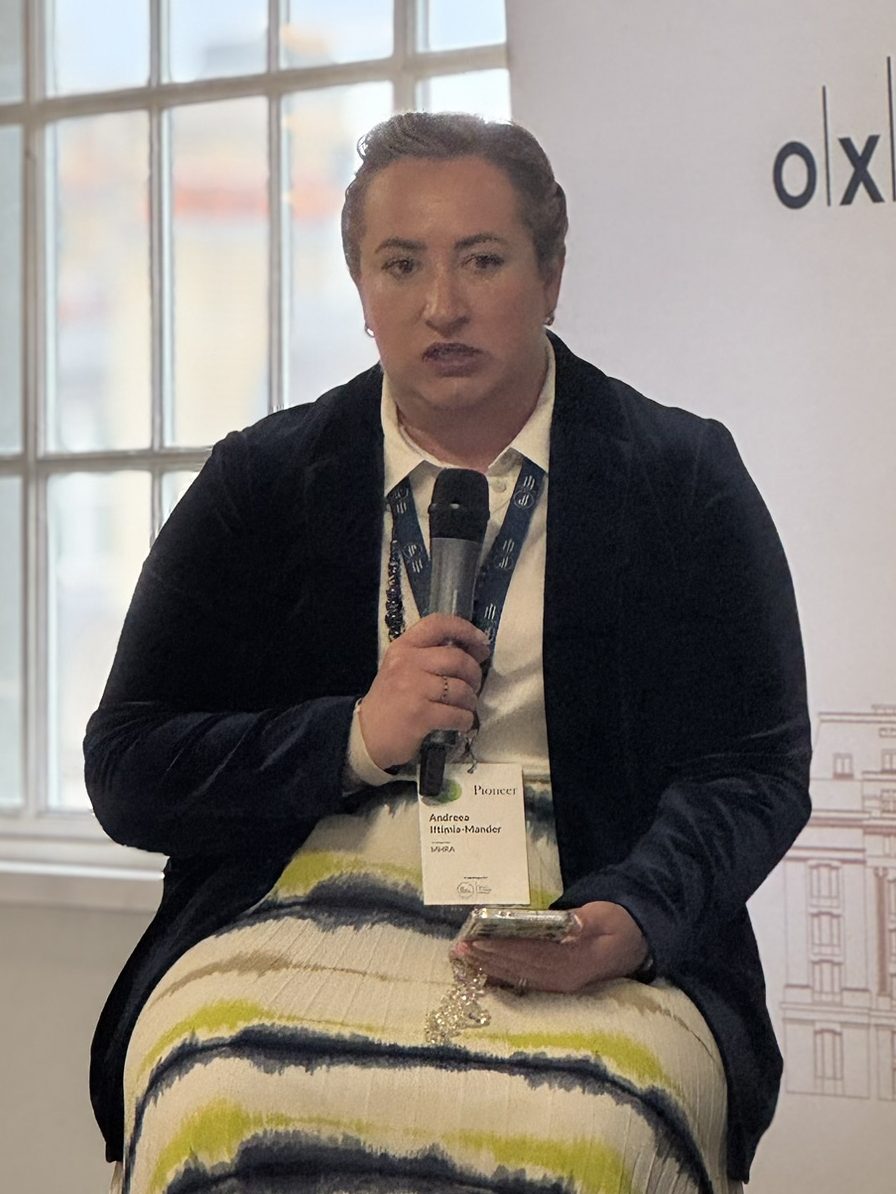
For the biotechnology industry, resilience is often associated with supply chains, manufacturing capacity or the ability to respond when disruption occurs. But panellists revealed how resilience is actually shaped much earlier, through the choices companies make about product design, development strategy, regulatory planning and operational execution.
“When we talk about supply chain resilience in biotech and pharma, it is tempting to think immediately about manufacturing capacity, logistics, alternative suppliers, or global disruption. Those things matter, of course, but many of the decisions that determine whether a supply chain will be resilient happen much earlier — when a product is being designed, when a development pathway is being shaped, when organisations decide what to outsource and what knowledge they need to retain.”
- Andreea Iftimia-Mander, MHRA
For early-stage biotechs, the pressure to move quickly is intense, but speed without sufficient product and process understanding can create avoidable risk. Development choices made in the preclinical phase can influence manufacturability, regulatory confidence, clinical execution and future scalability.
That does not mean every company needs to over-engineer from day one. Rather, it means understanding which decisions matter most for the stage of development, and where targeted technical work can prevent costly delays later.
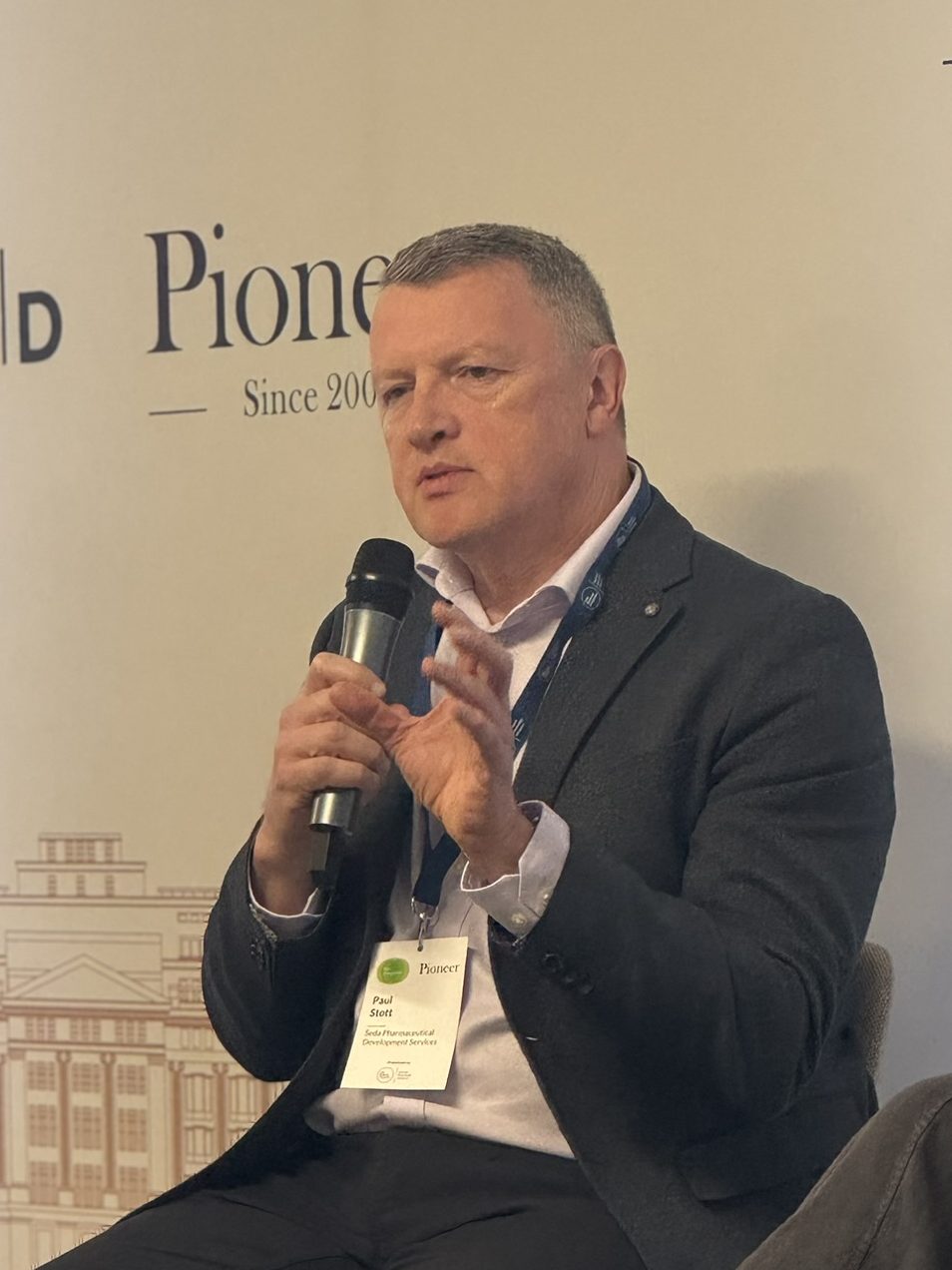
“You can burn a lot of valuable product if you’re doing all your learning in the GMP phase. A considered investment of time and money in that phase of design saves a lot of money in the long term.”
Paul Stott, SEDA
The same principle applies to clinical and regulatory strategy. Companies looking for speed may explore geographies that offer faster or more cost-effective routes into human studies, but those decisions need to be made with future execution in mind. Faster development routes can create value, but they may also introduce practical challenges around logistics, oversight, quality control and transferability.
“There are attractive and cost-efficient R&D options offered by preclinical and clinical CROs in China, India, and Australia, but when evaluating possible partners, we must take into account the impact of logistics and even cultural differences. Is it going to be more expensive to translate? Is it going to be more difficult to come and visit in person to ensure quality control? It might not be trivial, especially for a small company.”
- Nat Hastings, Cellestial Health
Operational resilience also depends on managing complexity across the development pathway. Biotech companies rarely progress alone; they rely on CDMOs, CROs, regulatory advisers, clinical partners and specialist providers. Each interface can either strengthen the programme or introduce risk, depending on how clearly responsibilities, knowledge and decision-making are managed.
“A supply chain is a complex system of interconnected teams and partners, and it’s the interface in those connections where you get a lot of problems. The quality of those interactions is critical to get right early, to build resilience from the beginning rather than having to build redundancy towards the end.”
- Chris Davison, Centrix Pharma Solutions

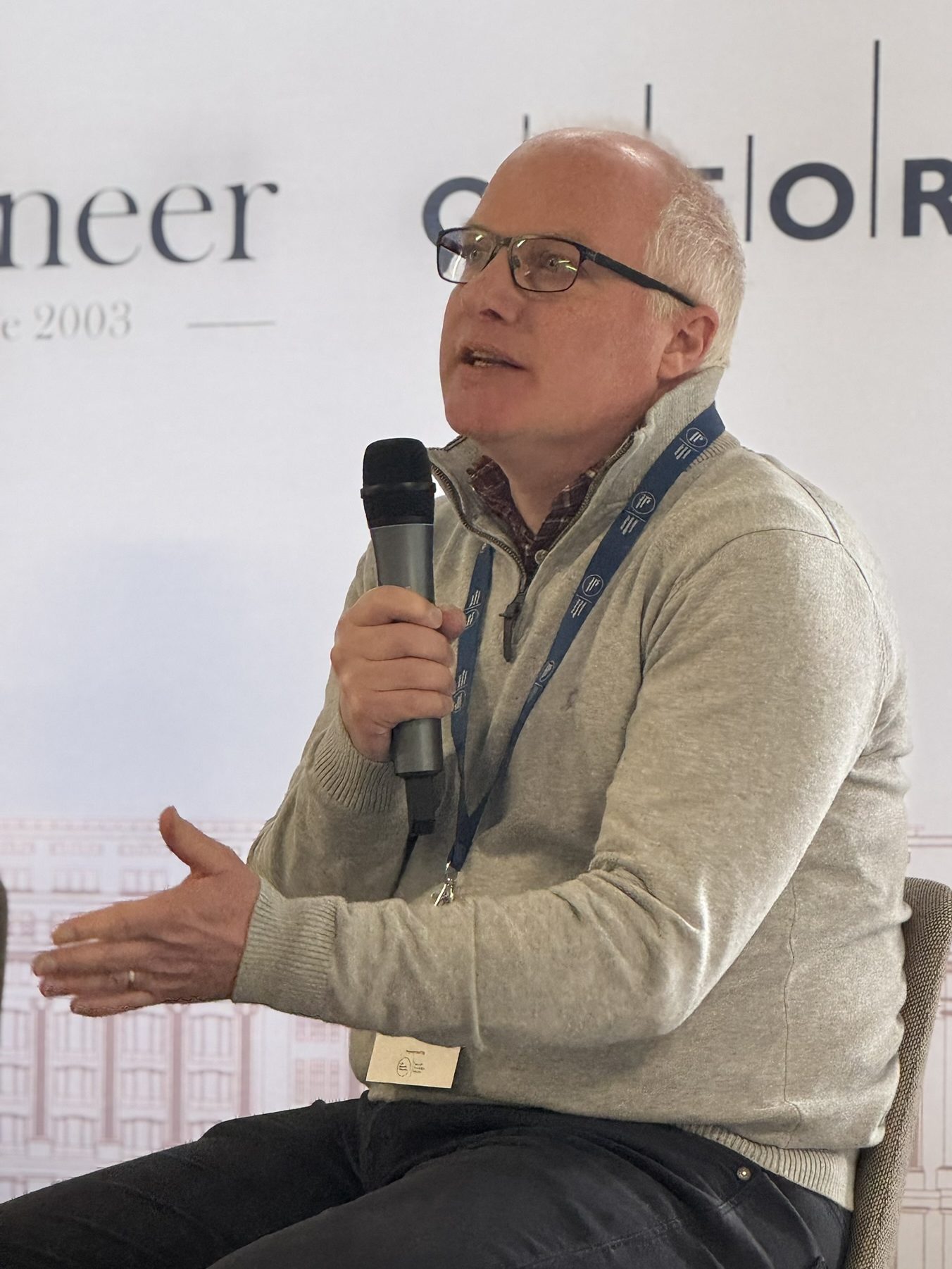
Operational resilience also depends on being clear about what role each partner is expected to play. Outsourcing can provide capacity, but when external partners are contributing critical expertise, companies need to ensure that knowledge is transferred back into the organisation.
“You’ve got to understand upfront what you’re looking for in an outsourcing partner. Are you looking for another pair of hands because you have capacity constraints internally, or are you looking for the heads, where they’re actually going to add value to the product? And if it is the heads, how do you make sure that all of that information gets transferred back afterwards?”
- Neil Jones, Recipharm
For biotechs, the lesson is that resilience is not just about having backup suppliers or reacting well under pressure. It is about building programmes that can progress without avoidable fragility. This includes, products designed with future development in mind, evidence generated in the right way, knowledge retained where it matters, and operational decisions made early enough to support scale, transfer and regulatory confidence.

Collaborating beyond company walls
As biotech companies navigate more complex science, rising execution demands and fast-moving technologies, partnerships are becoming a core part of company-building strategy. But collaboration is not simply about accessing external capability. For many biotechs, it also means managing pharma interest, licensing opportunities and deal flow in a way that supports growth without compromising long-term value.
A strong partnership needs to be built around more than near-term scientific opportunity. Companies must understand whether a potential partner can support the full journey from development through to commercialisation, while also showing that they understand what it takes to move an innovation beyond the lab.
“If you are selecting a partner, you need to be sure that your partner is interested in going with you for the whole lifecycle of the product, up to commercial. It’s not about doing great science that stops in the laboratory. From the beginning, you need to prove to the potential partner that you know what it means to commercialise.”
- Adriana Kiędzierska–Mencfeld, Rezon Bio


For partnerships to work, biotech companies need clarity on what they are trying to achieve. Early interest from a potential partner can be encouraging, but it only becomes valuable when the company understands how the relationship supports its wider strategy, what it needs to protect and where value should be created for both sides. The challenge is to balance openness with discipline: engaging the right partners at the right time, while protecting strategic priorities, data rights, platform value and future optionality.
“You need to know why you’re doing it. There has to be a positive impact for you as an organisation, not just the other party. You need a very clear business plan and a very clear demand of what it is you want to use now and how to make the most of it.”
- Abigail Martin, ImmuONE
That clarity is especially important for platform companies, where the value of the technology may extend across multiple applications, products or indications. In these cases, the partnership conversation is not only about proving the science. It is also about showing commercial relevance, implementation potential and long-term strategic fit.
“What really matters is to be able to convince those you want to partner with that there is a compelling business case. It is not just amazing science or a cool piece of kit, but what is going to bring commercial confidence to both parties.”
- Harris Makatsoris, Centillion Technology
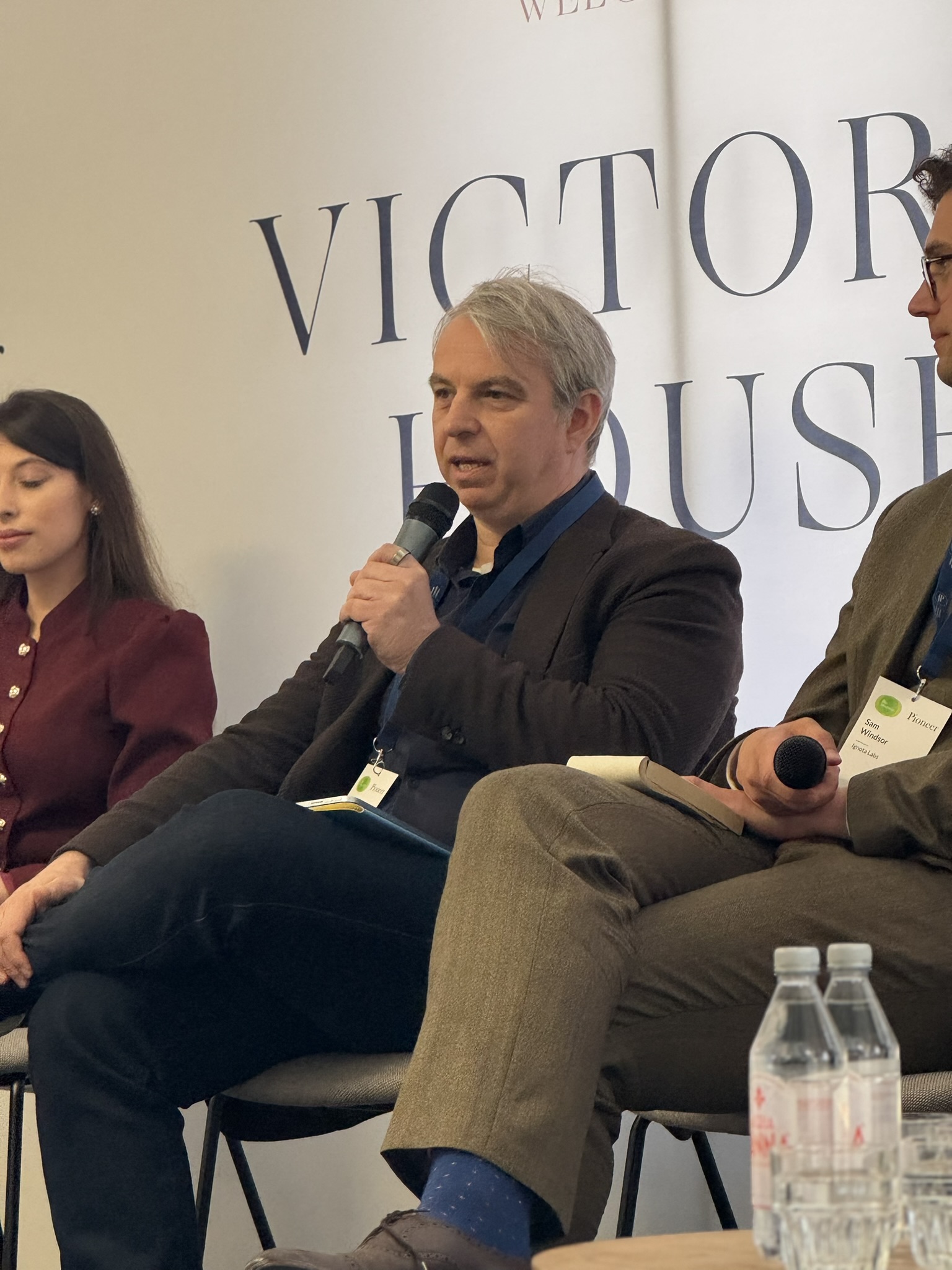

Harris Makatsoris from Centillion Technology (left).
Ash Venkataraman from IBM facilitating the ‘AI-Driven Alliances: Collaborating Beyond the Possible’ panel (right).
That same discipline is increasingly important in AI-driven alliances. As AI becomes more embedded in drug discovery and development, the boundary between biotech and techbio is becoming more fluid. Traditional biotechs may bring disease expertise, translational insight, clinical assets and biological context, while techbio companies can contribute computational platforms, model development, data engineering and advanced analytics. The opportunity lies in combining those strengths in a way that creates scientific and commercial value, rather than treating AI as a standalone solution or a branding exercise.
Its value depends on whether partners can define the right problem, generate and share the right data, and embed the right infrastructure around the tool. Without that foundation, even sophisticated models risk producing outputs that are difficult to validate, operationalise or translate into better decisions.
“AI is mainly just a nice wraparound data. When people really embrace AI, companies start thinking more forward-looking about the way they generate data and how they’re going to use that data in the future.”
- Vivian Wong, MabGalaxy

MabGalaxy

LinkGevity
This moves the conversation beyond hype. The companies most likely to benefit from AI are not simply those adding it to existing workflows, but those redesigning how data is created, structured, audited and reused. In areas such as antibody discovery, drug property prediction and computational biology, AI can help companies process greater complexity, identify better candidates and make more informed decisions, but only when the underlying data is robust enough to support meaningful outputs.
“The big difference in the pilots that got embedded was that there was infrastructure built around it. There was a plan for the data going in, a plan to audit it, a plan to manage it and build it. It’s not just a flash in the pan.”
- Ingrid Folland, Japeto
In any partnership, trust is essential. For strategic collaborations, this means aligning on vision, value, ownership, data rights and commercial expectations. For AI-driven alliances, it also means addressing governance, validation, transparency and responsible use of sensitive or proprietary data. Without that foundation, collaboration can create uncertainty rather than reduce it.
“Two things are critical. First is a shared vision, and second is an agreement that both parties will follow the data. At the end of the day, it is the scientific data that ultimately drives the total potential of the technology. If you’re not aligned on that, and you don’t have the shared vision, it’s just not going to be a good partnership.”
- Carina Kern, LinkGevity
For the biotechnology industry, the next phase of collaboration will require both ambition and structure. Whether companies are partnering around AI, platforms, manufacturing, data or clinical development, they need to enter relationships with clarity on value, rights, responsibilities and decision-making. The goal is not collaboration for its own sake, but collaboration that helps solve defined problems, strengthen execution and accelerate the path from scientific insight to patient impact.


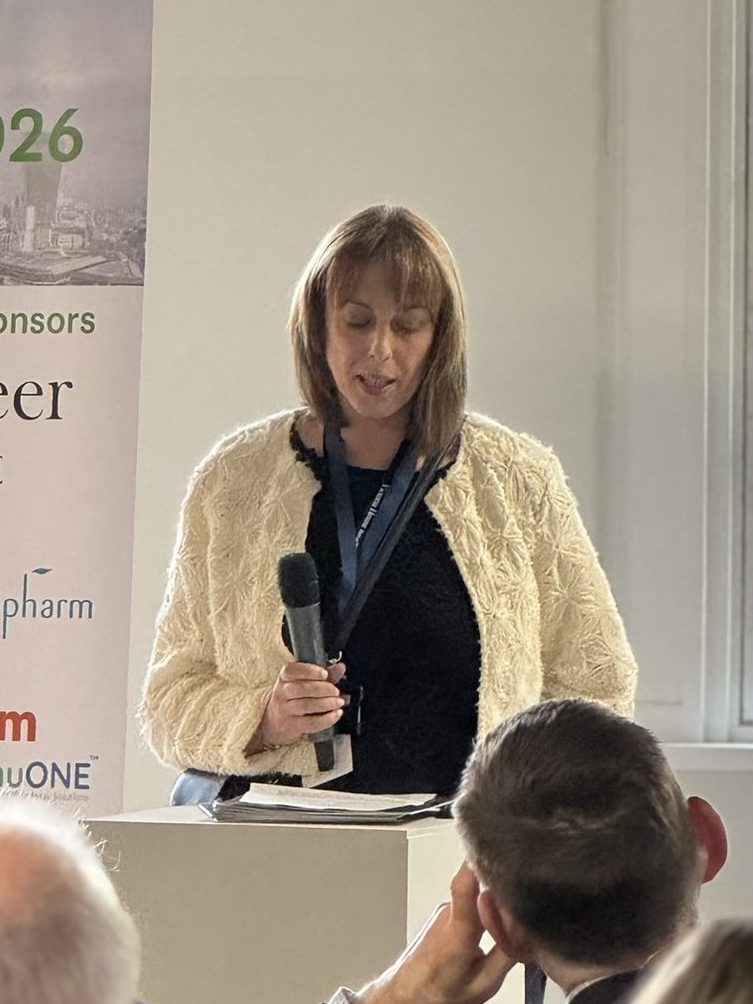
Adriana Kiędzierska–Mencfeld, Rezon Bio speaking on the ‘Pharma Forward: Navigating Partnerships for Growth’ panel (left).
Ingrid Folland from Japeto (right).
Building the future of biotech together
Bio Integrates 2026 captured a biotechnology industry that is moving into a more demanding phase of growth. Capital is returning selectively, patient impact must be designed into development earlier, resilience needs to be built across the pathway, and collaboration is becoming essential to how companies access expertise, data, infrastructure and strategic opportunity.
What connected these themes was a shift from promise to proof. Breakthrough science remains the foundation of biotech, but it is no longer enough on its own. Companies must be able to show how their innovation will progress, who it will benefit, what evidence will support it, and how the right partners can help turn discovery into real-world impact.
The strongest opportunities for the UK biotechnology industry will come from combining scientific excellence with stronger company-building discipline. That means clearer routes to value, earlier patient engagement, smarter operational planning, more purposeful use of AI, and partnerships built around trust, shared vision and long-term value creation.
The UK biotech sector’s ambition cannot be questioned. The next challenge is ensuring that the structures, strategies and collaborations around the science are strong enough to help that ambition scale.
Thanks once again to all of our sponsors and partners













Sponsoring our Conferences
Interested in sponsorship at our events? Please get in touch or click below to send your enquiry over to us.
Announcement: HealthTech Integrates 2026 is officially open for registration!

HealthTech Integrates is a one-day event convening technology, diagnostics, devices, and therapeutics organizations, along with clinicians and regulators, to provide an esteemed platform for discussing the major challenges impacting the HealthTech sector. The conference focuses on addressing the needs of the HealthTech community to overcome the obstacles necessary to transform diagnostics and devices in healthcare.

PharmaTech Integrates brings together experts in medicines manufacturing and the technologies transforming it. This event engages the broadest possible network of pharmaceutical innovators, regulators, supply chain partners, equipment and technology providers, academia, and industry associations.
Life Science Intelligence

Interested in reading about current industry trends in Life Sciences? You can find out more on our Life Science Intelligence page, including previous reports, news and articles.
Stay Connected
For further updates, stay connected on our LinkedIn page below.