Advanced Therapies Integrates North 2026: Industry Insight Report
The advanced therapies sector is entering a new phase of maturity. What was once defined by exciting breakthrough science is now increasingly shaped by questions of scale, access and delivery.
At Advanced Therapies Integrates North 2026, held at the Usher Building at the University of Edinburgh, leaders from across biotech, pharma, academia, healthcare and investment came together to explore what this transition means in practice, and what must change to ensure that transformative therapies reach patients reliably and at scale.
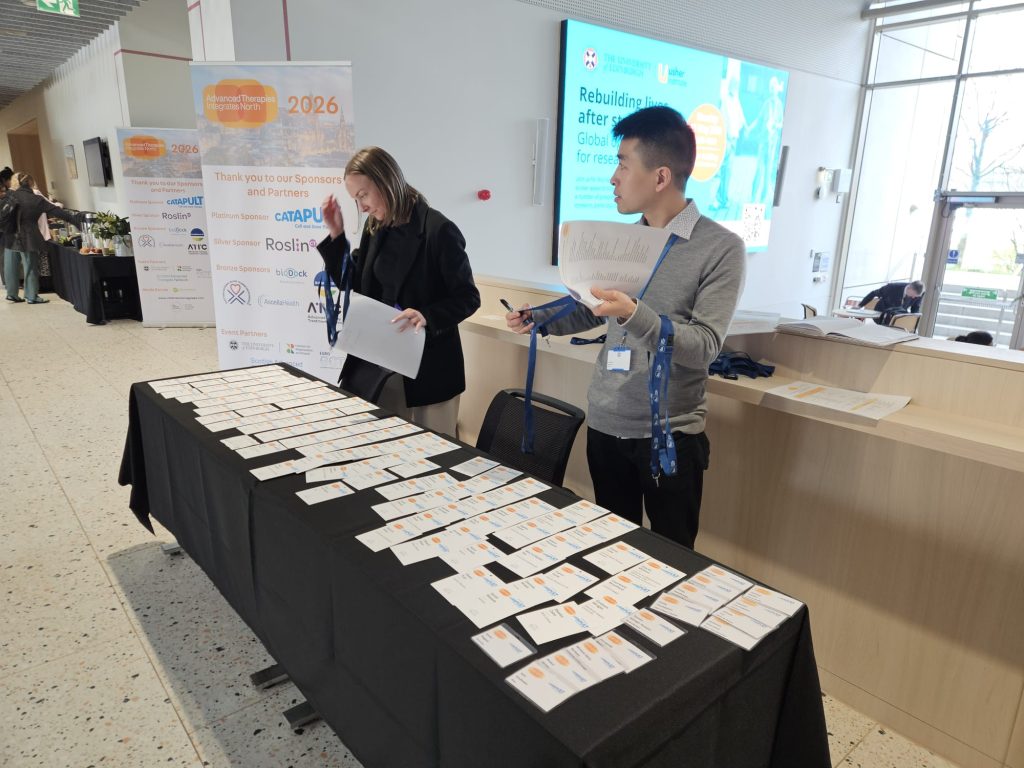

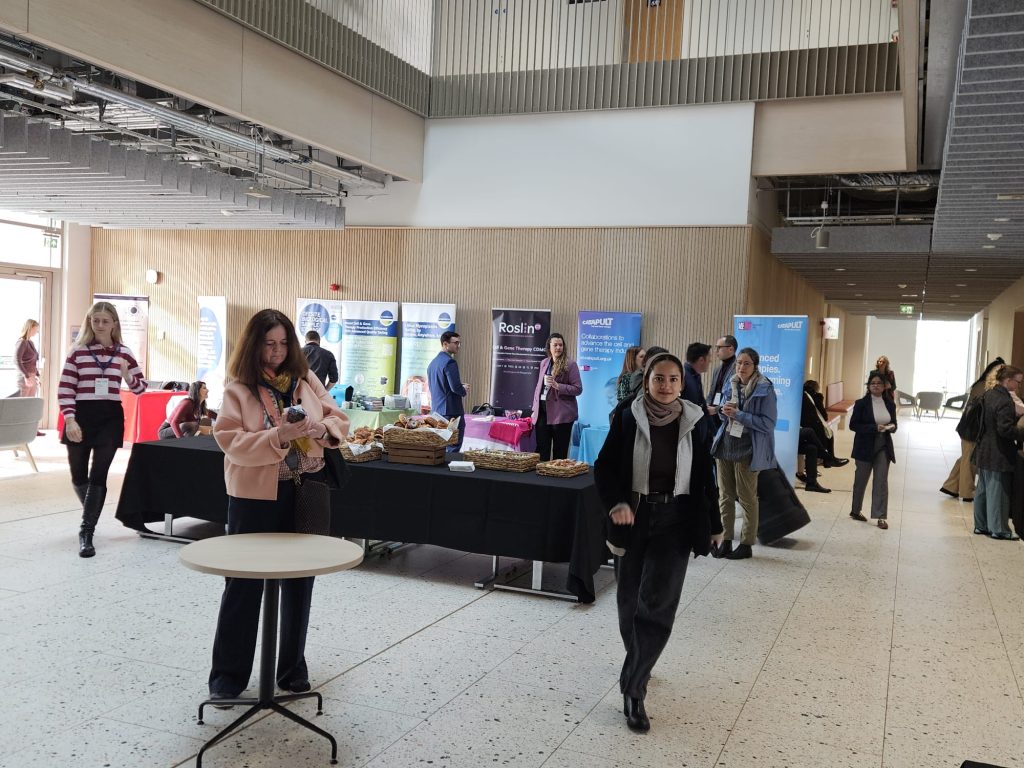
Set within Scotland’s outstanding life sciences ecosystem, combining world-class research, manufacturing capability, and a strong culture of collaboration, the event highlighted both the progress made in the advancement of cell and gene therapies, as well as the challenges that remain. The clinical impact of advanced therapies is increasingly evident, with a growing number of approved treatments demonstrating life-changing outcomes across a range of applications. Yet, as discussions throughout the day made clear, scientific success alone is no longer enough.
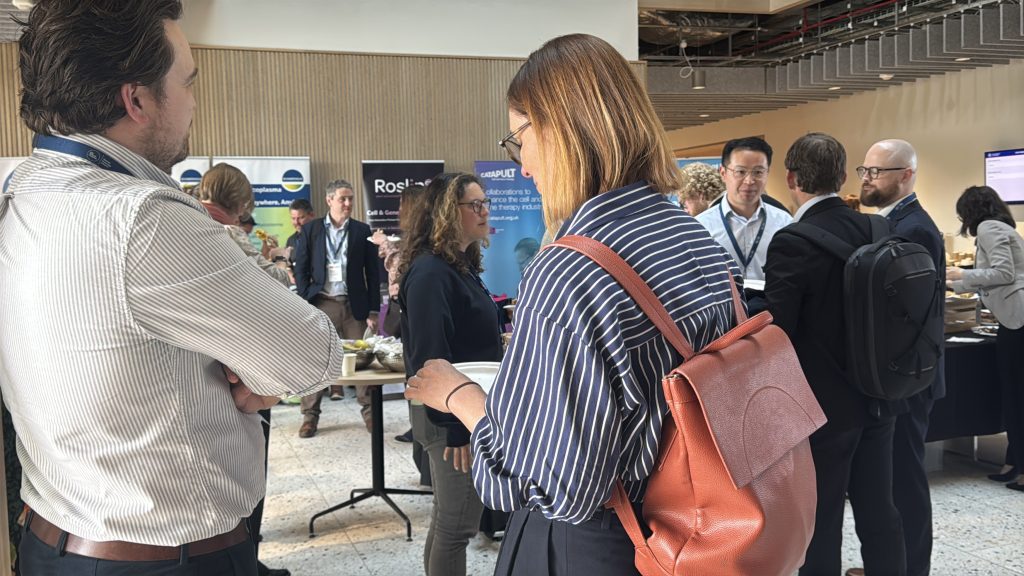

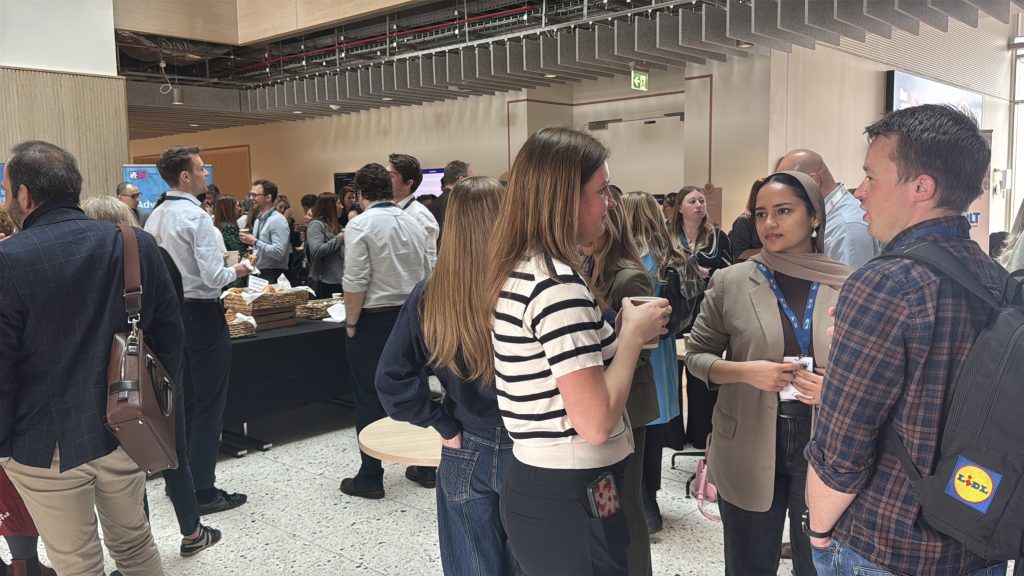
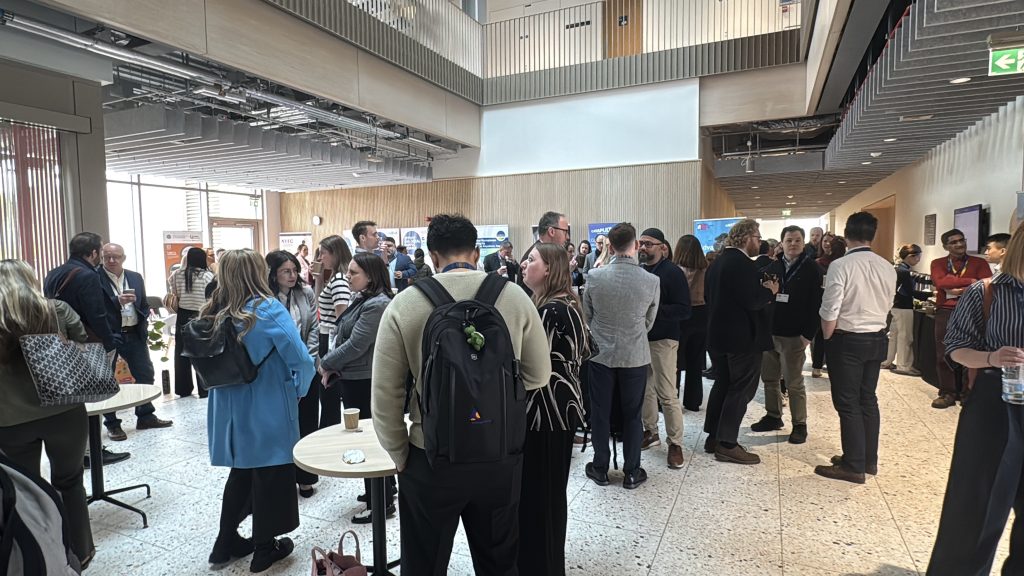
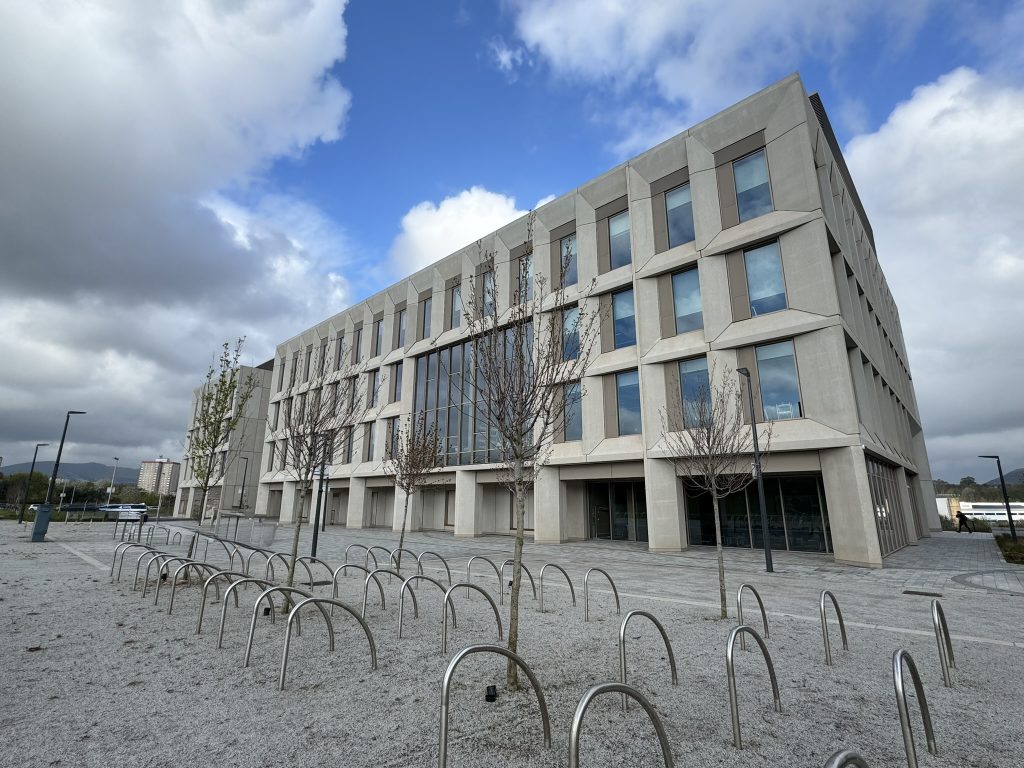
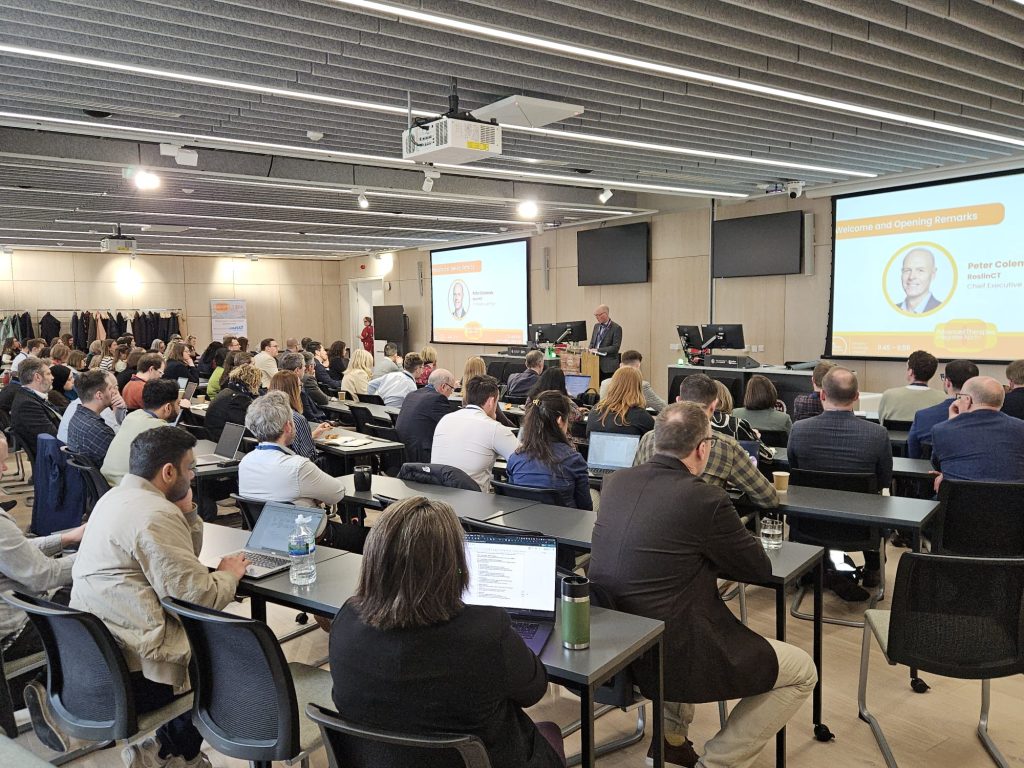
Across panel discussions and presentations, a consistent picture emerged: the next phase of growth will depend on the systems that surround the science. Manufacturing must evolve beyond bespoke processes. Investment is becoming more selective. Collaboration is essential, not optional. And delivering these therapies at scale will require greater alignment across technology, infrastructure, and real-world healthcare delivery.
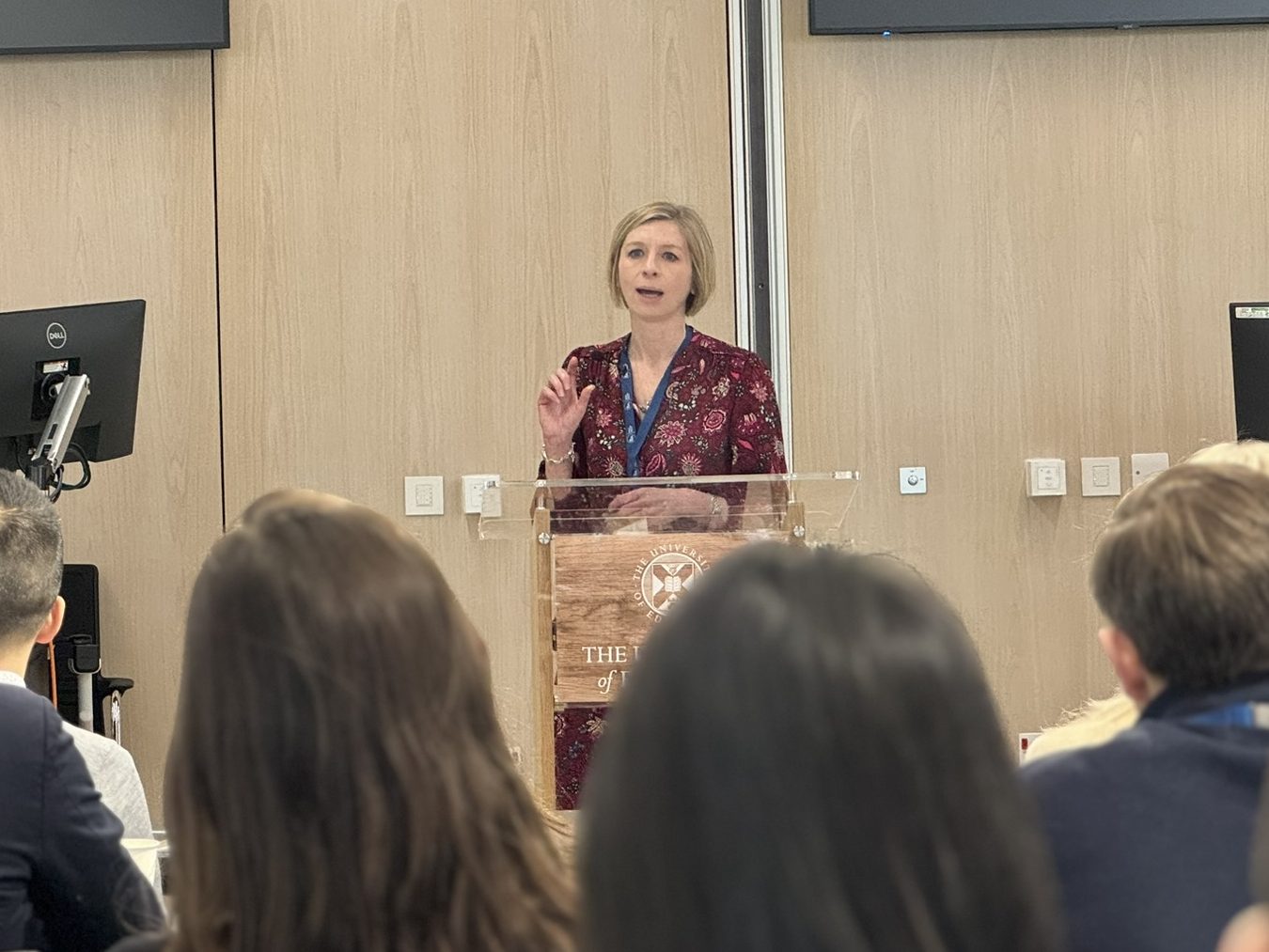
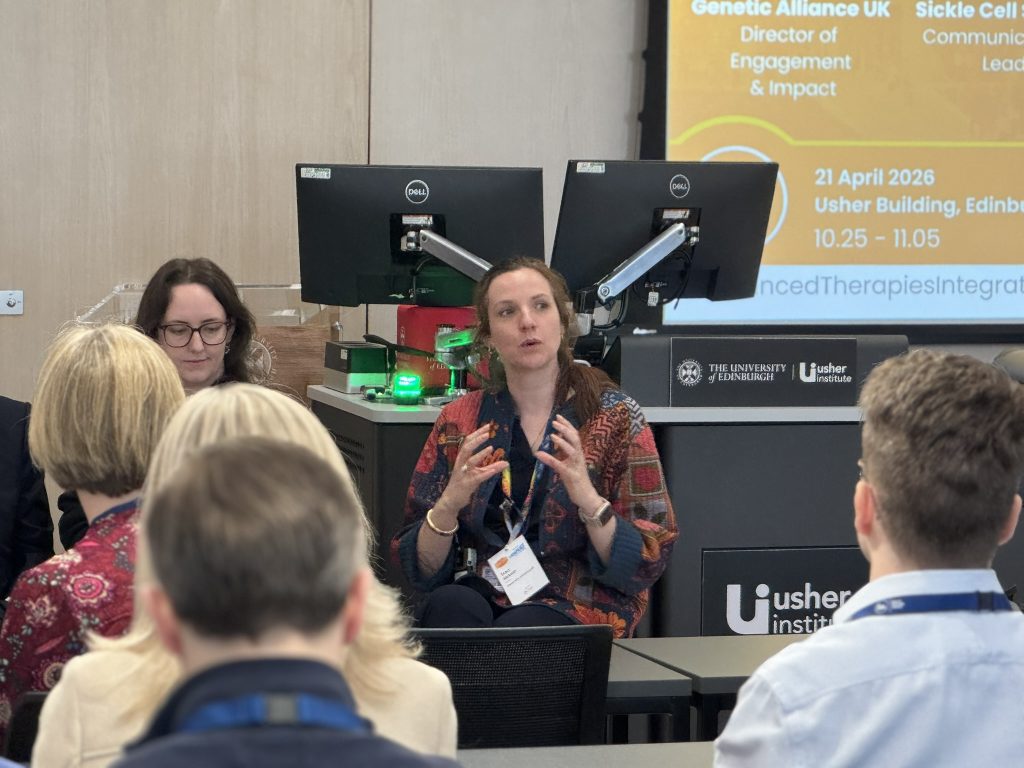
Sarah Waluda from Autolus with her Presentation: ‘The Northern Opportunity: Delivering ATIMP Clinical Trials Through NHS-Industry Partnership’(left) and Tracy Jackson from the University of Edinburgh speaking on the first panel session of the day, ‘Starting with Patients’ (right)
This report distils the key themes that emerged throughout the day’s discussions, highlighting the strategic priorities shaping the future of advanced therapies, and the steps needed to translate innovation into lasting patient impact.
From innovation to industrialisation
If the first chapter of advanced therapies was defined by scientific breakthrough, the next will be defined by scale. Across the day’s discussions, it was made clear that the sector is now grappling with a fundamental challenge: how to move from highly specialised, often bespoke treatments to robust, repeatable and commercially viable systems that can reach far more patients.
His team’s approach targets a longstanding clinical challenge: the high failure rate of vein grafts used in bypass surgery, where up to half can fail within ten years due to pathological remodelling. By using a gene therapy delivered ex vivo at the point of surgery to modulate early biological responses, the approach aims to prevent the downstream processes that lead to graft failure, improving long-term outcomes for patients.
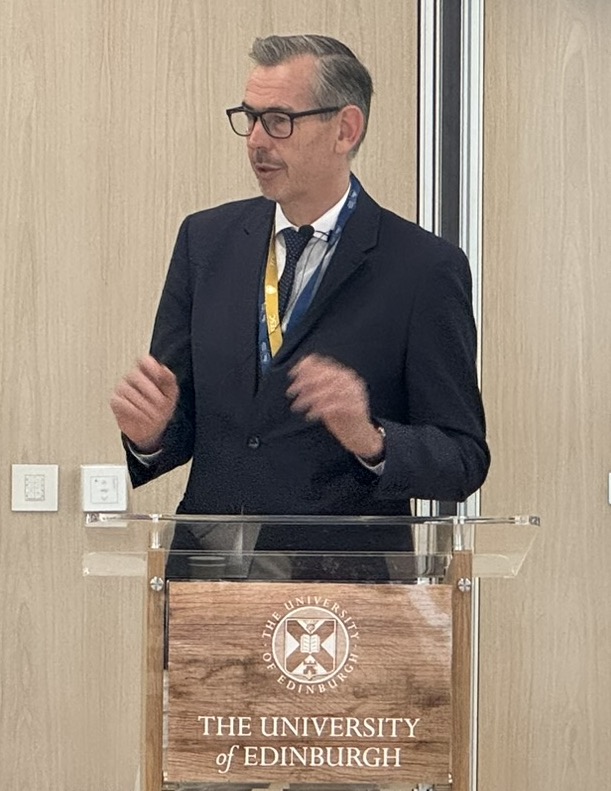
The clinical potential of these therapies is no longer in question. Transformative outcomes are being demonstrated across a growing range of indications, reinforcing confidence in the underlying science. This was illustrated in presentations earlier in the day, including work shared by Professor Andy Baker (University of Edinburgh), who highlighted the application of advanced therapies in cardiovascular disease, an area not traditionally associated with cell and gene therapy innovation.
“This is a huge clinical problem—hundreds of thousands of grafts fail every year. If we can intervene early and prevent that failure, the impact for patients and healthcare systems could be significant.”
- Prof. Andy Baker, University of Edinburgh
Examples such as this reinforce the growing breadth of advanced therapy applications; not only in rare and genetic diseases, but increasingly in more common conditions where scalable impact could be significant. However, success at the level of individual patients or targeted interventions does not yet translate into scalable models of delivery. The gap between innovation and implementation remains significant.
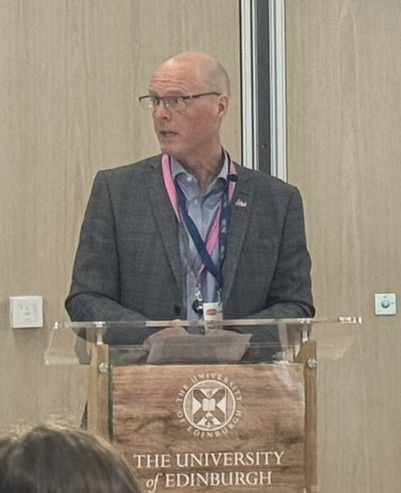
“We know how to make these therapies. The critical part we need to continue to solve is how we scale manufacturing—through smarter processes and by building a workforce that can carry this industry into the future.”
- Peter Coleman, RoslinCT
Manufacturing sits at the heart of this challenge. Many first-generation therapies were developed using labour-intensive, highly manual processes. While effective in early-stage development, these approaches struggle to support larger patient populations or broader commercialisation. As the pipeline expands and therapies move into more prevalent indications, these limitations are becoming increasingly apparent.
In response, the conversation is shifting towards industrialisation. This means not only introducing automation and digital tools, but fundamentally rethinking how therapies are designed, developed and produced. Standardisation, harmonisation and platform-based approaches are emerging as critical enablers of scale.
“We’re talking about industrialisation—standardisation, harmonisation—but we’re also working in a space with huge technological diversity. The question is whether that abundance is helping us scale, or slowing us down.”
- Kevin Vela, Cell and Gene Therapy Catapult
This tension between innovation and standardisation was a recurring theme throughout the day. While diversity of approach is essential in such a complex and rapidly evolving field, there is growing recognition that greater convergence will be needed to unlock true scalability. Identifying which technologies can become widely adopted “gold standards”, and aligning around them, will be a key step in maturing the sector.
“The abundance of technologies we have today can create decision paralysis. It’s not always clear what problem each is solving—and that can slow progress towards scalable, standardised solutions.”
- Lara Campana, Resolution Therapeutics
Alongside technological considerations, operational and workforce challenges also play a critical role. Scaling advanced therapies requires not only new tools and infrastructure, but also a workforce equipped to operate in increasingly automated, data-driven environments. As manufacturing evolves, so too must the skills and capabilities that underpin it, highlighting the need for closer alignment between industry, education and training pathways.
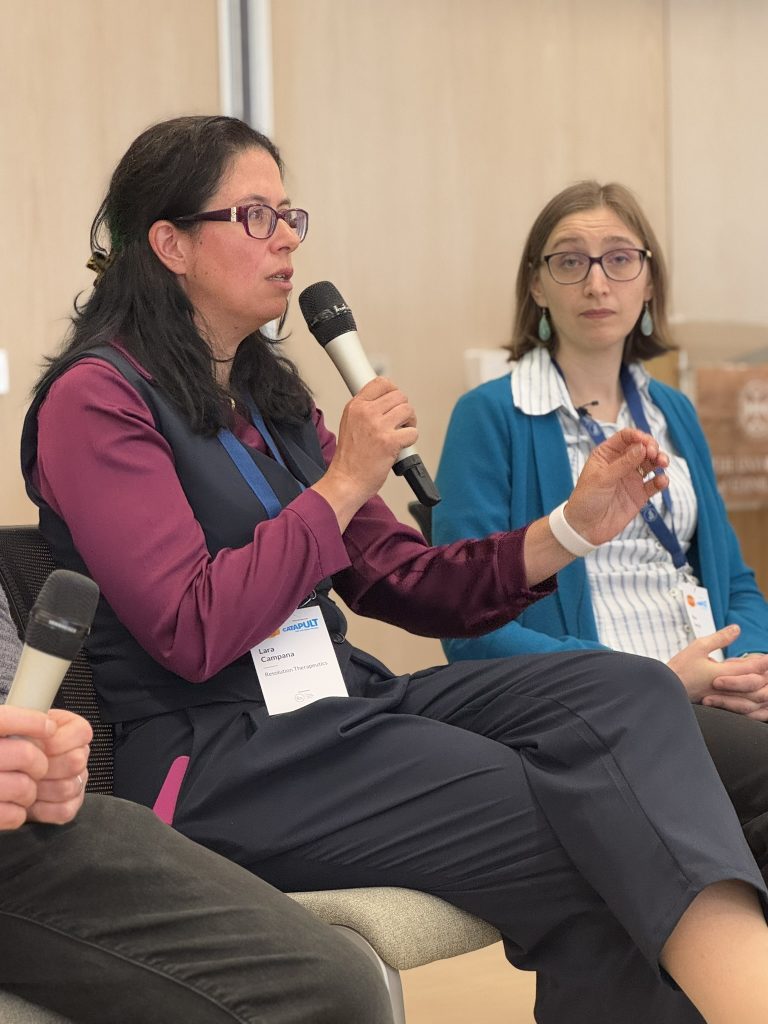
“We need to make sure we have the right skills in the right place at the right time—and that means much closer alignment between education, training and industry needs.”
- Prof. Claire Garden, Edinburgh Napier University
Ultimately, scaling advanced therapies will depend on the coordinated evolution of technology, processes, workforce and systems. The challenge now is to move beyond proof-of-concept and establish ATMPs as a reliable, scalable component of modern healthcare.
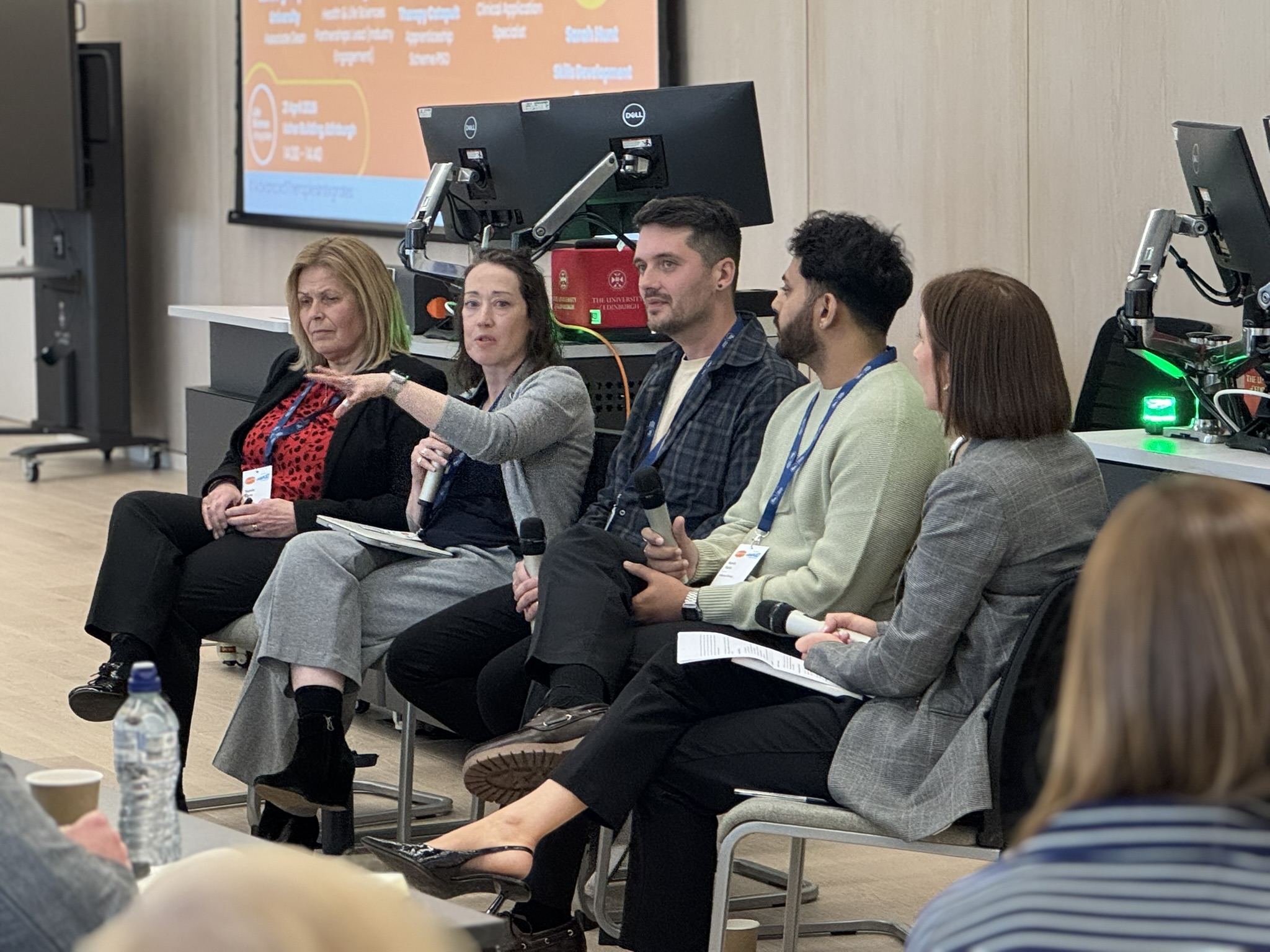
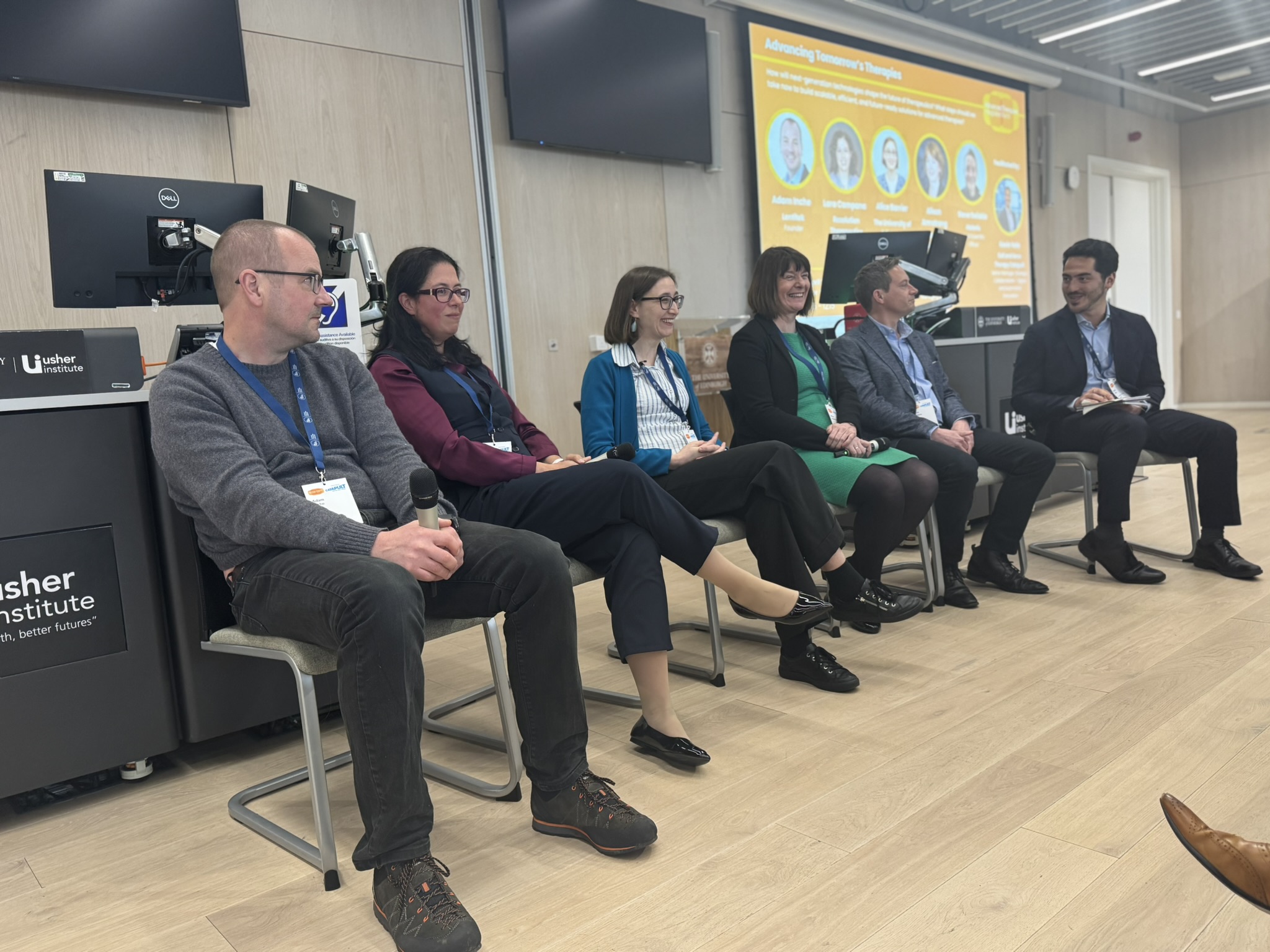
Prof. Claire Garden, Edinburgh Napier University speaking on the ‘Skills to Scale’ panel facilitated by Sarah Hunt (left). Kevin Vela, Cell and Gene Therapy Catapult, facilitating the ‘Advancing Tomorrow’s Therapies’ panel. (right)
Reframing patient-centricity in advanced therapies
As advanced therapies move closer to widespread clinical adoption, the role of the patient is being fundamentally redefined. No longer positioned solely as recipients of care, patients are increasingly recognised as active contributors to the development, delivery and long-term success of these therapies.
While patient and public involvement (PPI) has long been part of the advanced therapies landscape, speakers highlighted that its implementation remains inconsistent, and in many cases, still too superficial.
“For me, involvement is about working with people the entire way through the journey—so they’re part of the team, not a group we only go and speak to when we have to.”
- Prof. Tracy Jackson, University of Edinburgh
This distinction between engagement and true involvement was a recurring theme. Moving beyond one-off consultations or awareness initiatives requires embedding patient perspectives across every stage of development, from early research and trial design through to delivery and post-treatment follow-up. Doing so not only improves relevance and outcomes, but can also help address practical challenges such as recruitment and retention.
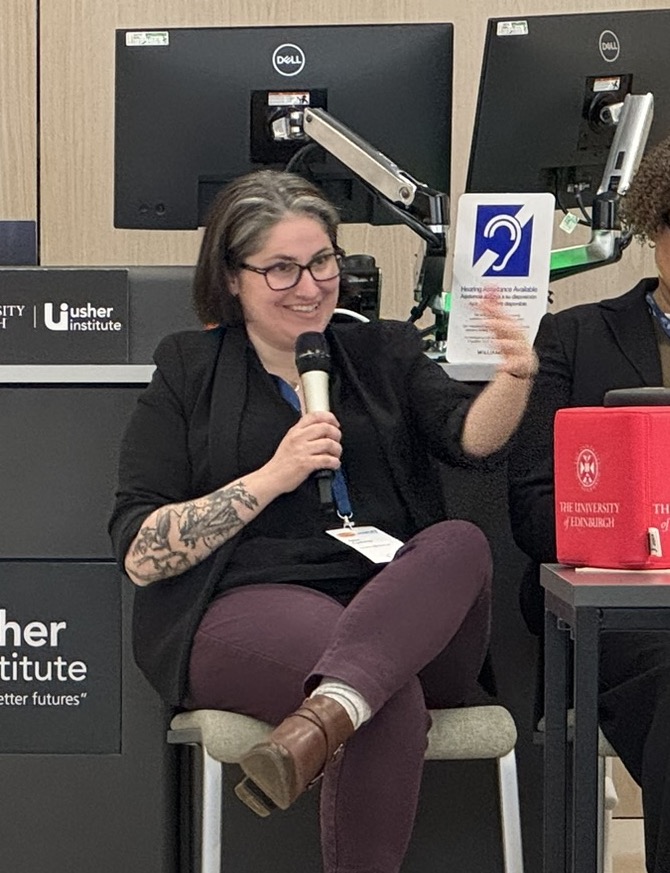
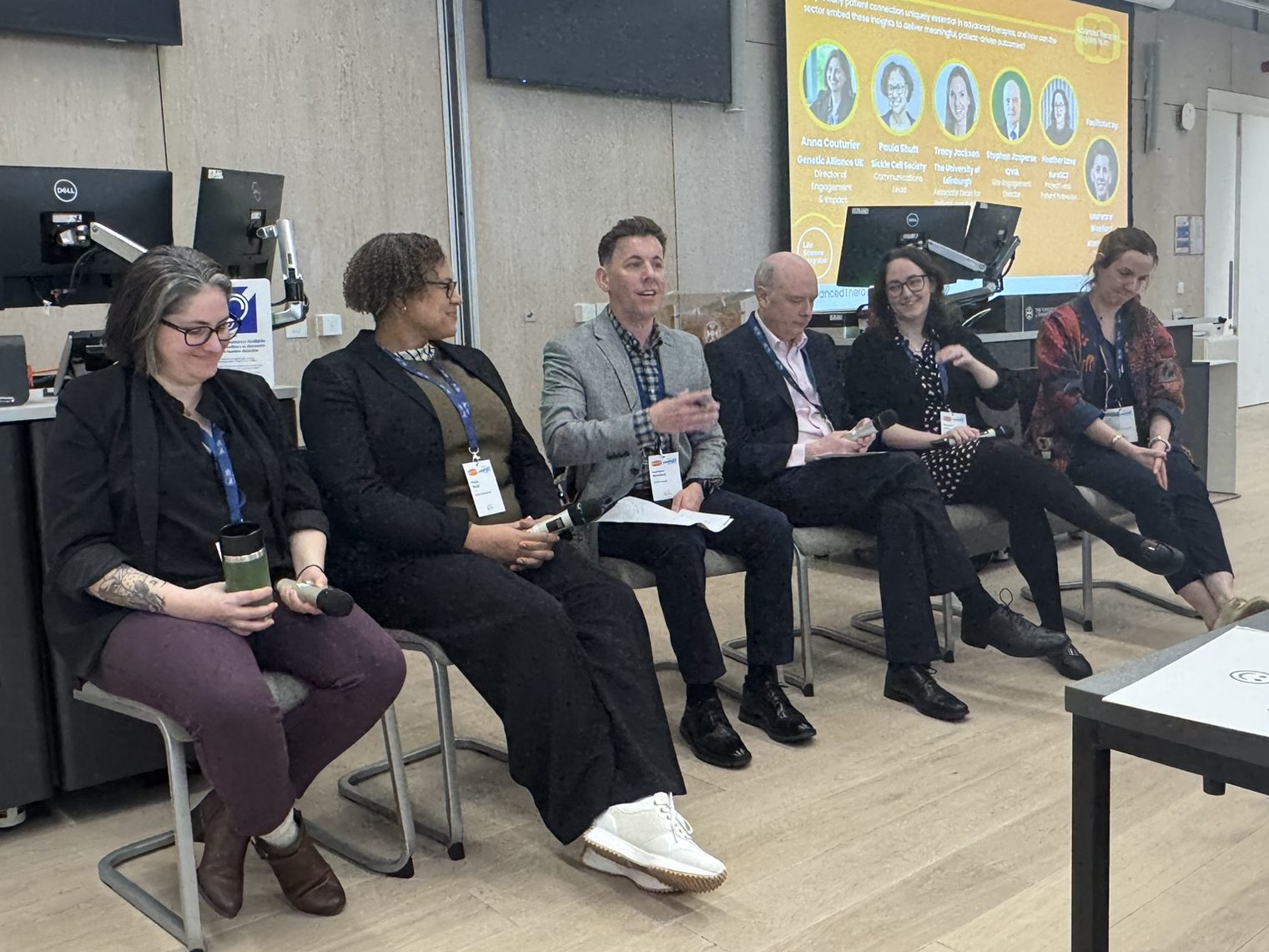
However, achieving meaningful integration is not without its challenges. One key issue raised was the risk of relying on a narrow set of patient voices, often those already engaged with research or advocacy networks. Expanding participation to include more diverse and underrepresented communities will be essential to ensuring that advanced therapies are developed in a way that reflects the needs of all patients.
“We consistently see the same equity risks coming up: low awareness, low evidence and low clinical priority, and these factors compound the challenge of bringing advanced therapies to patients.”
- Anna Couturier, Genetic Alliance UK
Trust also remains a critical factor. While advanced therapies offer transformative potential, their complexity and novelty can create uncertainty, particularly for patients outside established research networks. Building trust will require transparency, clear communication, and strong partnerships with patient advocacy groups.
At the same time, managing expectations is essential. While the promise of curative therapies generates hope, it also risks misunderstanding timelines and outcomes. Ensuring patients have a realistic view of what these therapies can deliver, and when, will be key to sustaining trust and engagement.
“We have to be mindful of therapeutic hype, particularly in commercial development, and ensure expectations are managed responsibly.”
- Laurence Woollard, ATMP Engage
Ultimately, the shift towards true patient-centricity reflects a broader maturation of the sector. Delivering advanced therapies at scale will require not only scientific and operational progress, but a deeper understanding of patient needs, experiences and expectations, making patient integration essential, not optional.
Investment, risk and the path to commercial viability
While the scientific promise of advanced therapies continues to strengthen, the investment landscape is becoming more selective and strategically focused. Discussions reflected a sector that remains attractive to investors, but one where expectations have shifted significantly, with greater emphasis on differentiation, validation and commercial viability.
Capital is still flowing into the sector, but it is increasingly concentrated. Investors are prioritising fewer opportunities, placing larger bets on companies that can demonstrate not only strong science, but a credible path to market.
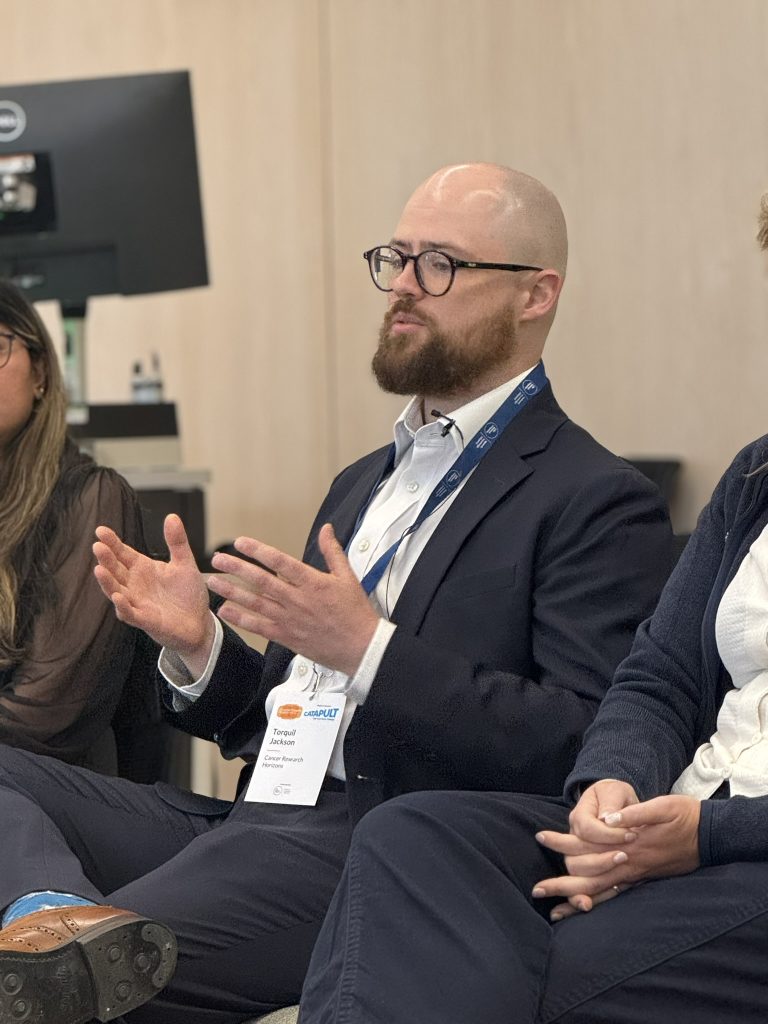
“Investors are becoming much more selective in where they allocate capital into advanced therapies, with a stronger focus on differentiated technologies and clear paths to commercial success.”
- Torquil Jackson, Cancer Research Horizons
This shift reflects a broader recalibration following the surge in biotech investment in previous years. Incremental innovation is no longer sufficient—investors are looking for clear step changes in therapeutic potential, supported by robust data and well-defined development strategies
Crucially, expectations around maturity have also evolved. Where early-stage data may once have been enough to secure funding, there is now growing pressure to demonstrate clinical validation much earlier in the development process.
“Five or ten years ago, you could raise on a strong preclinical package. Now, ideally, you need clinical proof of concept to bring in the big funds.”
- Simon Chandler, Rinri Therapeutics
This trend is reinforced by the increasing importance of later-stage validation. As a result, many companies are being pushed to demonstrate clinical readiness earlier, intensifying the pressure on development timelines and resources. In response, panellists noted a growing reliance on outsourcing models—particularly in regions such as China—to accelerate preclinical and early clinical work, reduce costs and generate the data required to reach key investment milestones more efficiently.
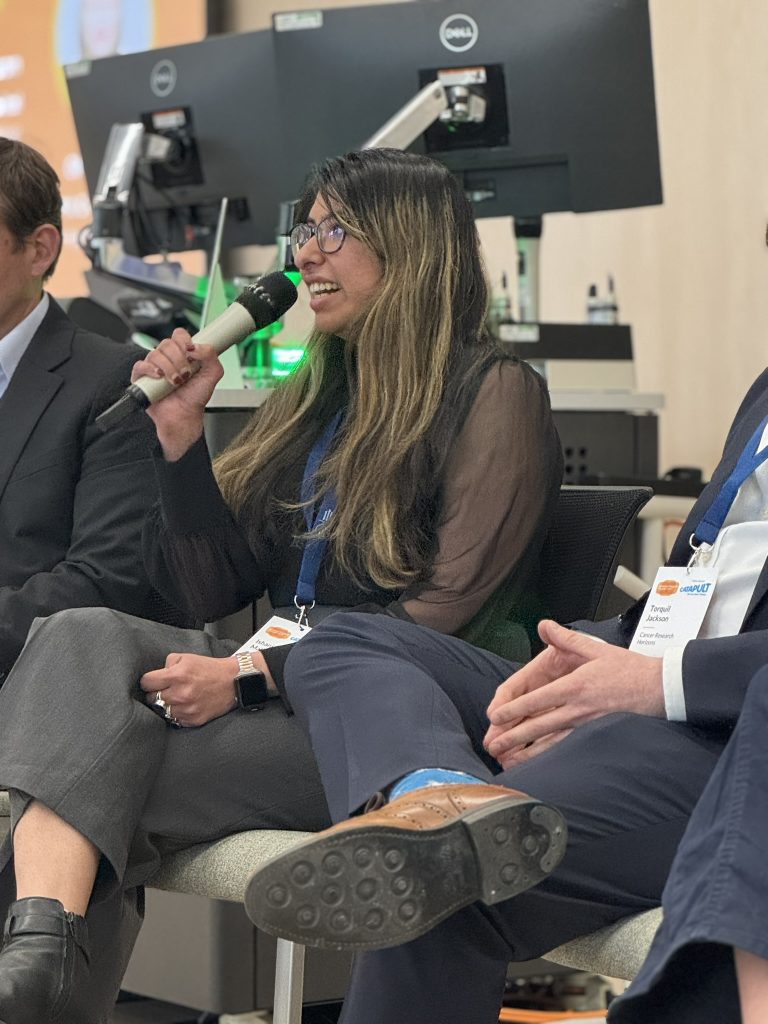
“Phase two is increasingly seen as the starting point for investment—that’s the level of validation people now want to see.”
- Ishani Malhotra, Oncocine
Despite these challenges, there are signs of cautious optimism. While the market has not fully recovered to previous levels, positive funding rounds and renewed activity suggest that high-quality science continues to attract investment.
“We’re seeing green shoots and some really positive signals in the market, but we’re still not back to previous levels of investment.”
- Emily Thompson, Old College Capital
Ultimately, the investment landscape for advanced therapies is maturing alongside the science itself. Success will increasingly depend on the ability to align innovation with commercial reality from an early stage, ensuring that therapies are not only scientifically compelling, but viable at scale.
Collaboration and aligning the ecosystem for scale
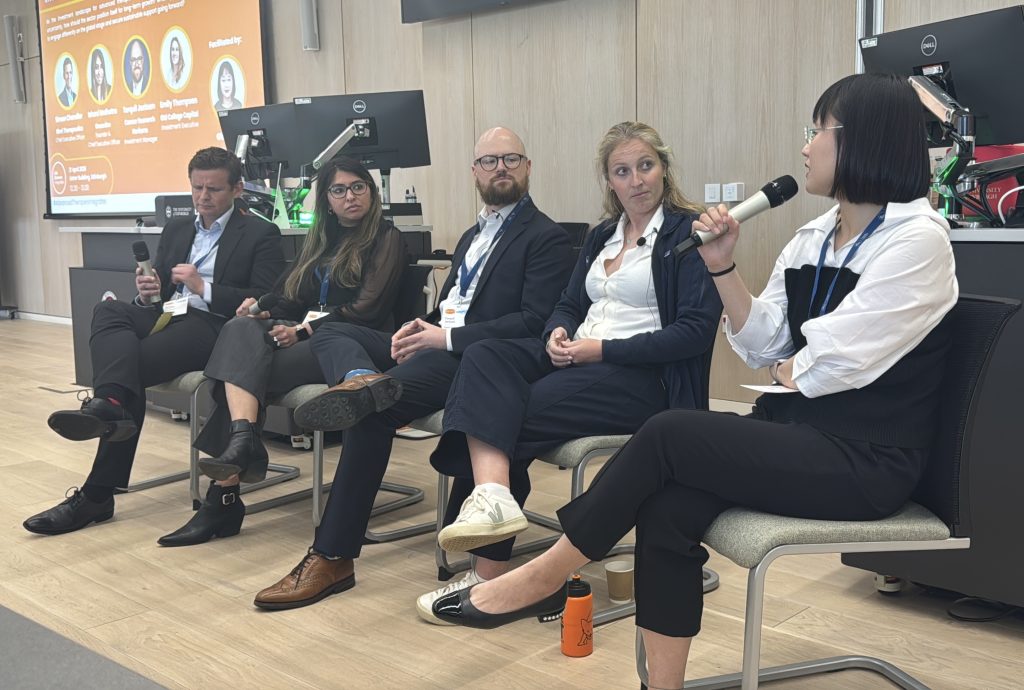
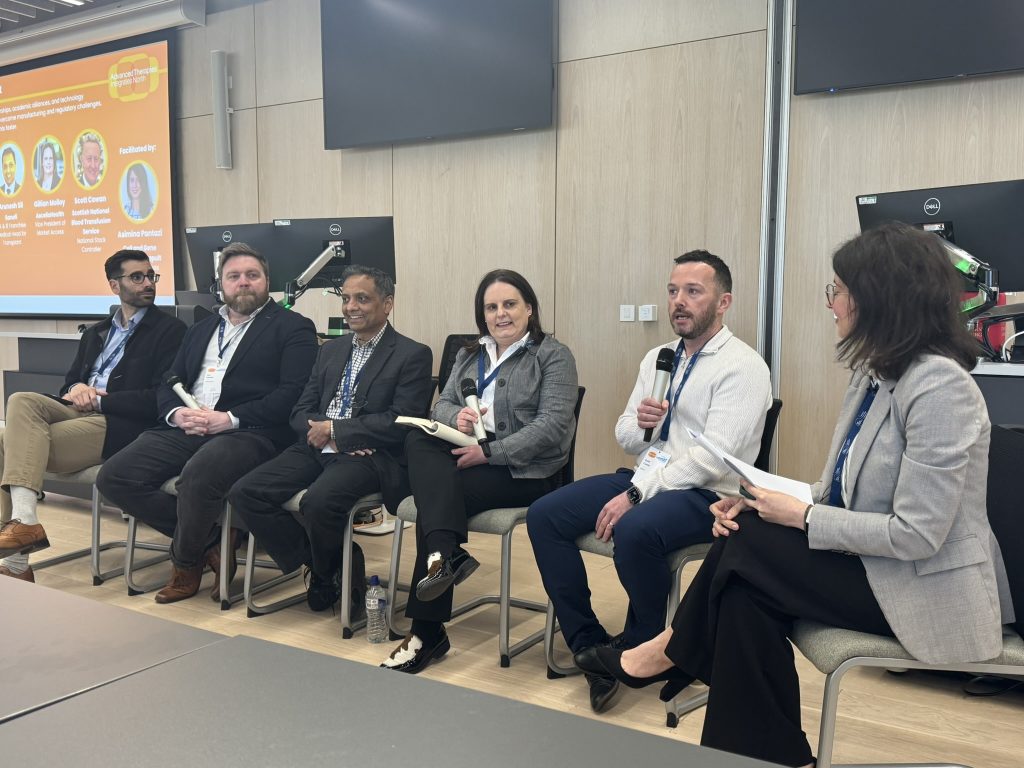
If scaling advanced therapies depends on aligning science with real-world delivery, collaboration is the mechanism that makes that alignment possible. Across discussions, collaboration emerged not as a strategic advantage, but as a structural necessity, reflecting the complexity of developing, manufacturing and delivering these therapies at scale.
Unlike more traditional modalities, advanced therapies sit at the intersection of multiple disciplines, requiring expertise across biology, engineering, data, manufacturing and clinical delivery. No single organisation can span this entire landscape effectively. As a result, progress increasingly depends on coordinated efforts across biotech, pharma, academia, healthcare systems and specialist partners.
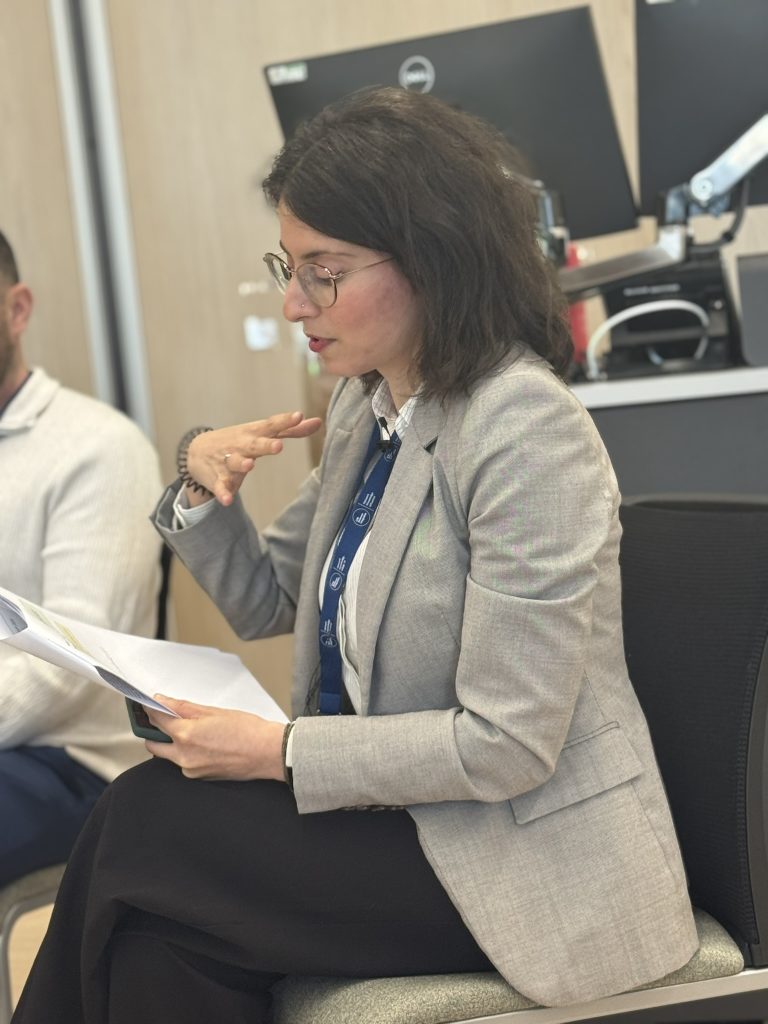
“We need to think beyond individual collaborations and look at how the whole ecosystem connects—because that’s what ultimately determines whether therapies reach patients.”
- Asimina Pantazi, Cell and Gene Therapy Catapult
This emphasis on connection reflects a broader need for alignment. Bringing therapies to market requires synchronisation across development, manufacturing, regulatory pathways, and clinical delivery; reinforcing the importance of starting with the end in mind and building partnerships around shared goals.
“It’s not just about forming partnerships—it’s about aligning around a shared objective and understanding what success looks like from the outset.”
- Arunesh Sil, Sanofi
In practice, this means moving beyond loosely defined partnerships towards more structured, purpose-driven collaboration. In particular, it was noted that clarity of roles and responsibilities is essential to making these partnerships effective.
“Collaboration works best when everyone understands where they fit in the pathway—otherwise you risk duplication, delays and missed opportunities.”
- Joe Healey, NanoSyrinx
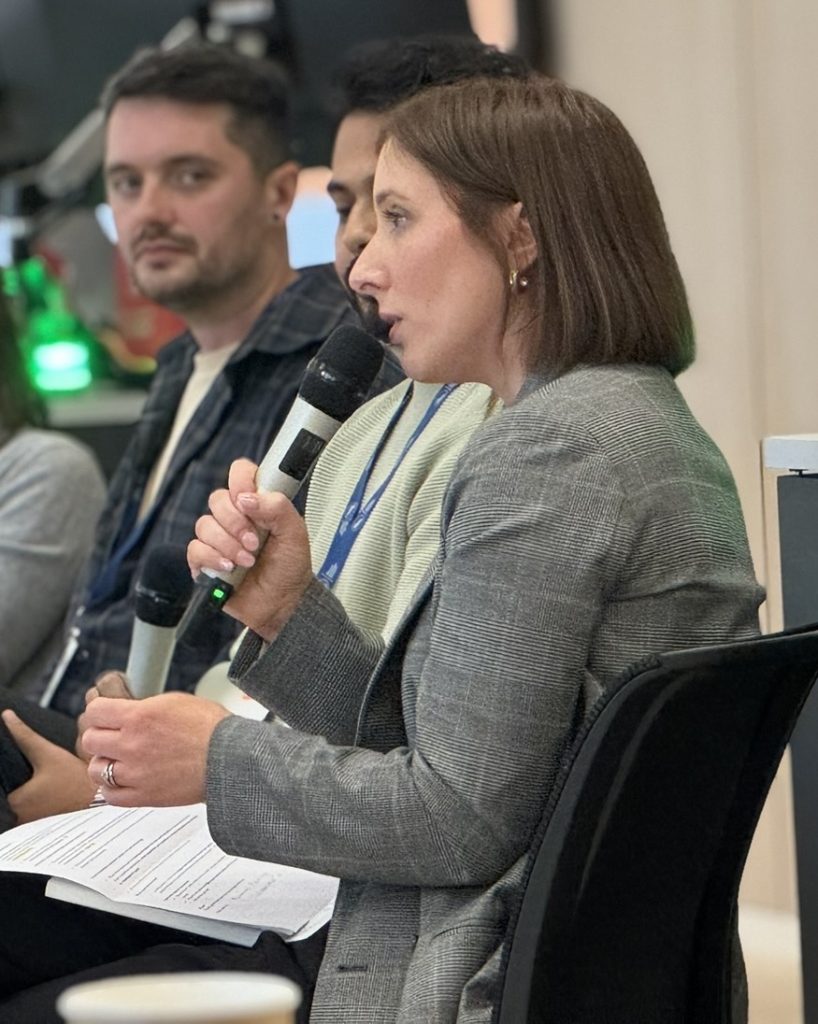
Collaboration also plays a critical role in addressing one of the sector’s most pressing challenges: workforce readiness. As advanced therapies move towards industrialisation, ensuring the availability of appropriately skilled talent will require closer alignment between industry and education.
“We need much stronger alignment between what we’re teaching and what industry actually needs—otherwise we’re not preparing people for the realities of the sector.”
- Sarah Hunt, Skills Development Scotland
Collaboration in advanced therapies is evolving from a series of individual partnerships into a more integrated ecosystem approach. Success will depend not just on who organisations work with, but how effectively they align, ensuring that innovation, infrastructure and delivery are developed in parallel, rather than in isolation.
The path forward: Scaling with purpose
Advanced therapies are no longer defined solely by their scientific potential, but by the systems being built to support their delivery. As discussions at Advanced Therapies Integrates North 2026 made clear, the sector is entering a new phase, focused on translating breakthrough innovation into scalable, real-world impact.
The challenges are significant. Manufacturing must evolve, investment remains selective, and meaningful patient integration is still developing. Yet across each of these areas, there is a growing sense of alignment around what needs to happen next. The importance of designing with the end in mind, building coordinated ecosystems, and embedding collaboration across every stage of development is becoming increasingly clear.
Encouragingly, there are signs of progress. From advances in manufacturing approaches to renewed investor activity and stronger cross-sector partnerships, the foundations for long-term growth are taking shape. While the path to scale will not be straightforward, the direction of travel is clear.
Ultimately, the future of advanced therapies will be defined by the sector’s ability to bring together science, systems and people in a more connected and intentional way. If that alignment can be achieved, the opportunity is significant: to move beyond promise and establish advanced therapies as a reliable, accessible and transformative component of modern healthcare.
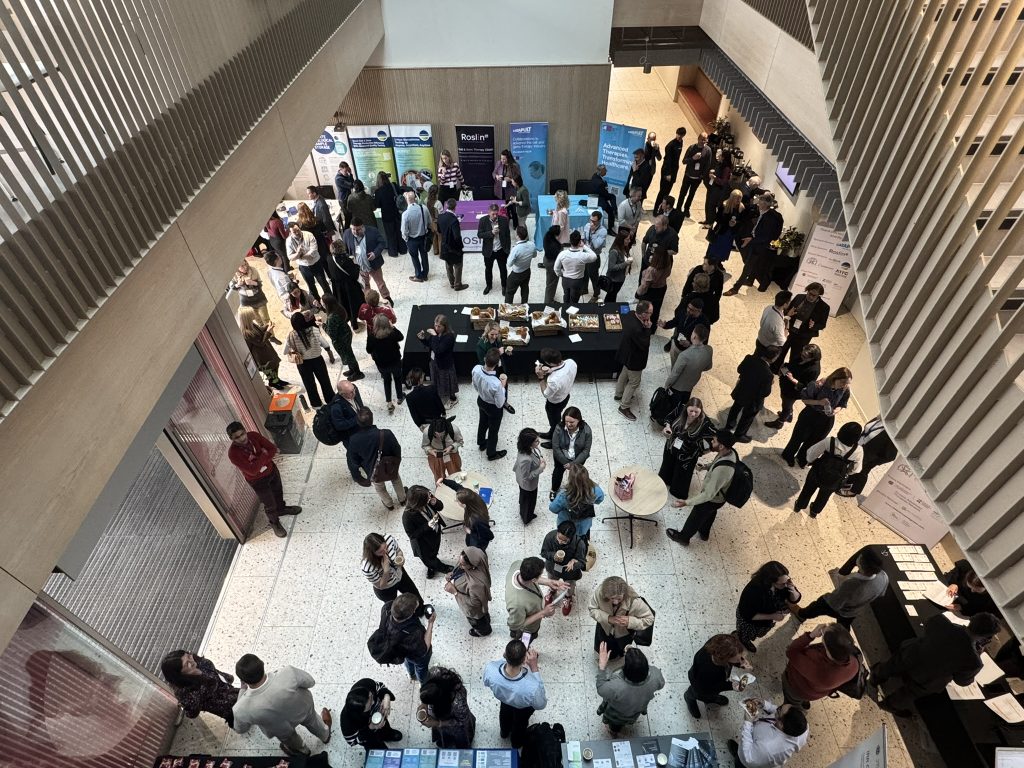
Thanks once again to all of our sponsors and partners



Sponsoring our Conferences
Interested in sponsorship at our events? Please get in touch or click below to send your enquiry over to us.
Announcement: HealthTech Integrates 2026 is now officially open for registration!

HealthTech Integrates is a one-day event convening technology, diagnostics, devices, and therapeutics organizations, along with clinicians and regulators, to provide an esteemed platform for discussing the major challenges impacting the HealthTech sector. The conference focuses on addressing the needs of the HealthTech community to overcome the obstacles necessary to transform diagnostics and devices in healthcare.
Life Science Intelligence
Interested in reading about current industry trends in Life Sciences? You can find out more on our Life Science Intelligence page, including previous reports, news and articles.
Stay Connected
For further updates, stay connected on our LinkedIn page below.